
MA Graphic Design
An airport guidance concept for autistic adults travelling independently.
Studio Practice

Phase 1
Research & Discover
Phase 2
Define, Test and Prepare
Phase 3
Design Development
Phase 4
Deliver
Research & Discover
Phase 1 establishes the foundations of the project: reviewing my existing practice, identifying the initial research territory, and narrowing the enquiry through early reading, reflection and tutor feedback.
Weeks 1–2: Review
Reviewing my practice, design values and initial research territory.
Narrowing the enquiry towards neurodiversity, tourism and independent travel.
Weeks 3–4: Question and Refinement
Using lived experience and early research to question and refine the direction.
Connecting accessibility, independence and transformative travel before the next phase.
Define, Test and Prepare
Phase 2 moves the project from broad enquiry into a more defined research problem, using skills development, experimentation, primary research and external evaluation to test and refine the direction.
Weeks 5–6: Skills and Design Experimentation
Refining the problem around airport barriers and planning accessible primary research.
Narrowing the research niche and refining interview questions around sensory barriers.
Weeks 7–8: External Evaluation and Review
Recruiting participants and beginning written interviews with autistic adults.
Mapping existing airport support, accessibility systems and wider evidence.
Design Development
Phase 3 develops the project through analysis, tutor and peer review, and continued design development, turning the research findings into a clearer design problem and a more focused direction.
Weeks 9–10: Tutor and Peer Review
Learning thematic analysis while continuing participant research.
Mapping the airport journey and identifying what support needs to achieve.
Weeks 11–12: Design Development
Coding responses, building themes and connecting evidence to the design problem.
Defining sensory variability, control and the move towards adaptive regulation.
Deliver
Phase 4 takes the project through further development, refinement and production, moving from the current research-led direction towards a resolved final outcome and submission.
Weeks 13–16: Further Development
Exploring biosignals, biofeedback, machine learning and the move beyond VR.
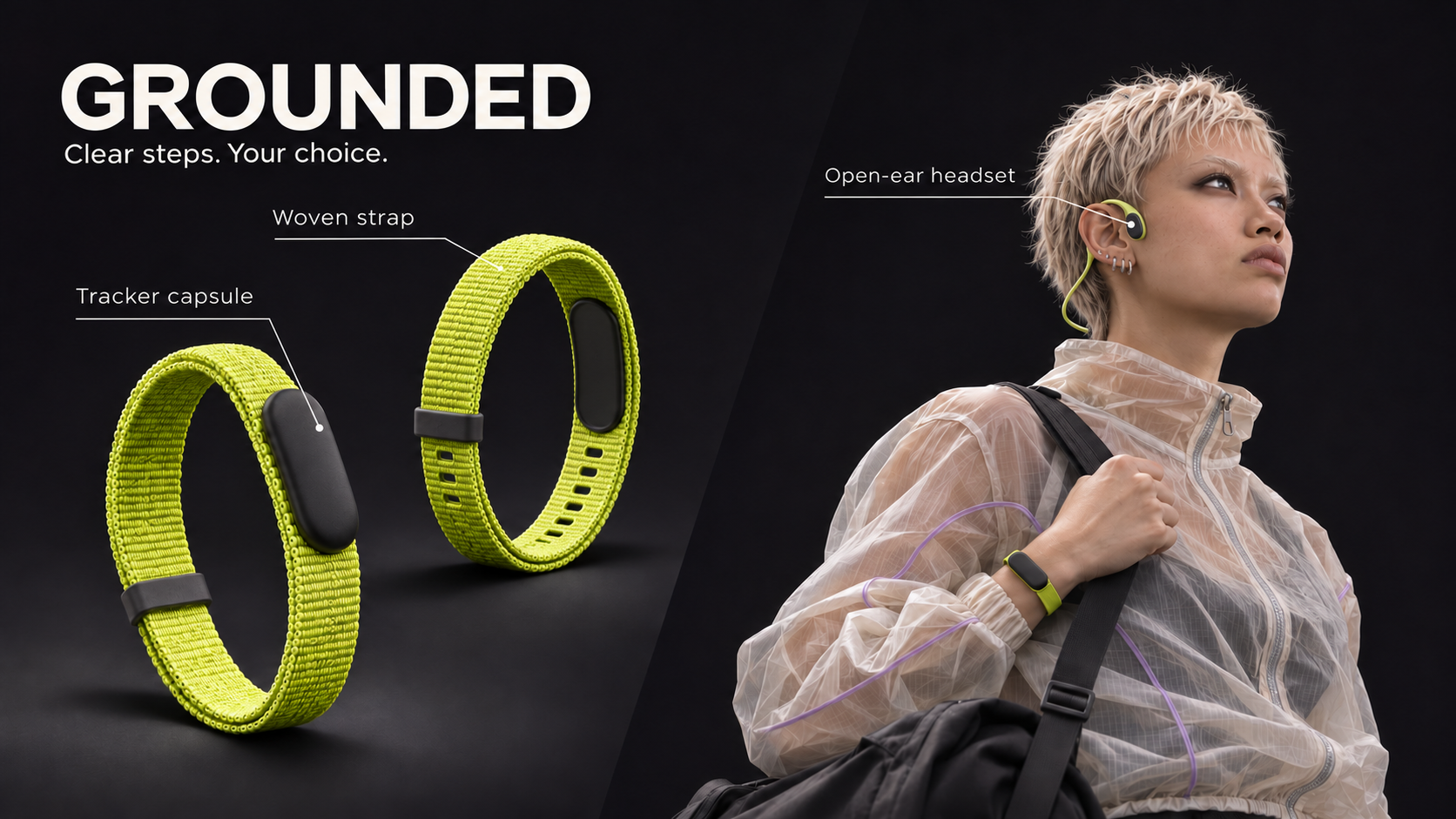
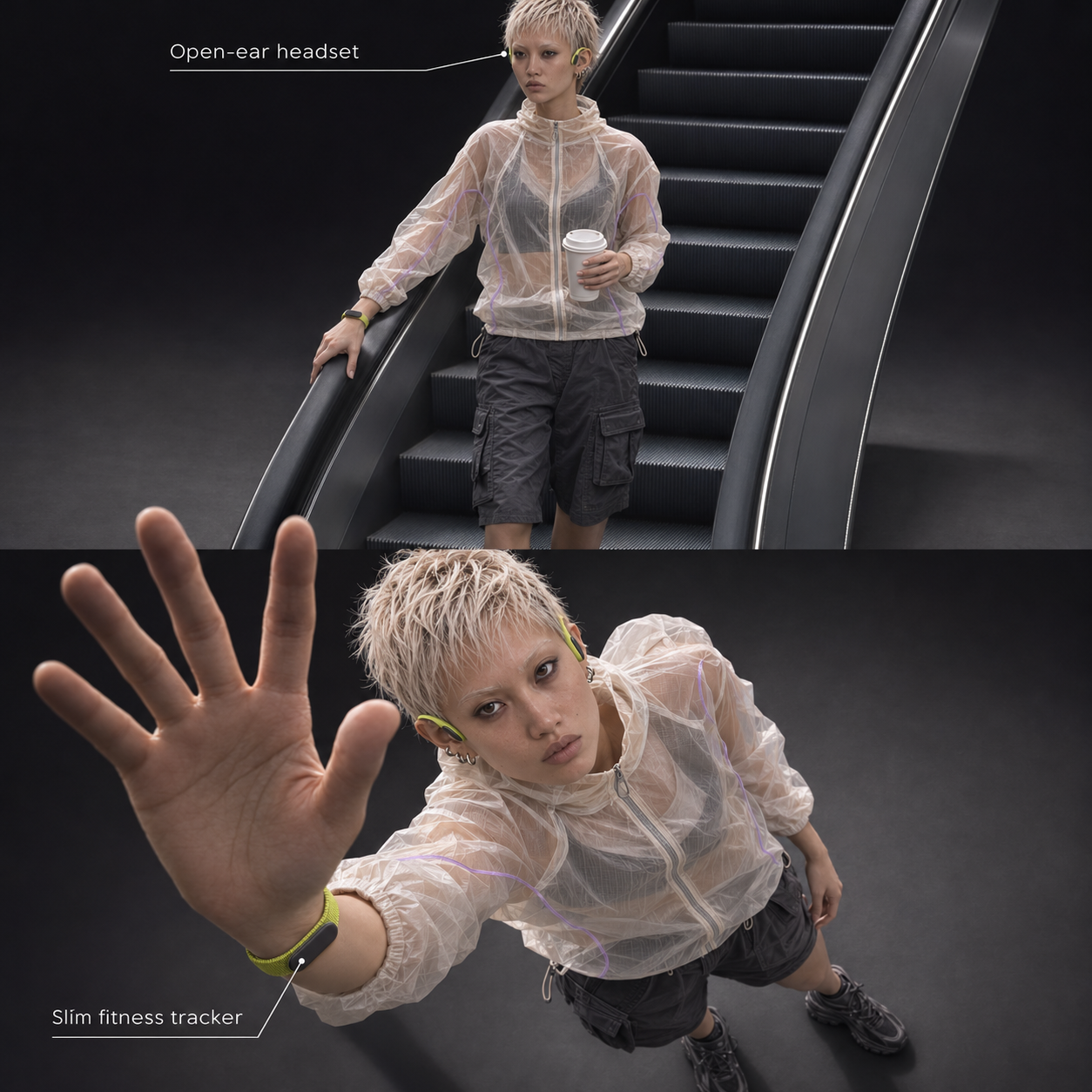
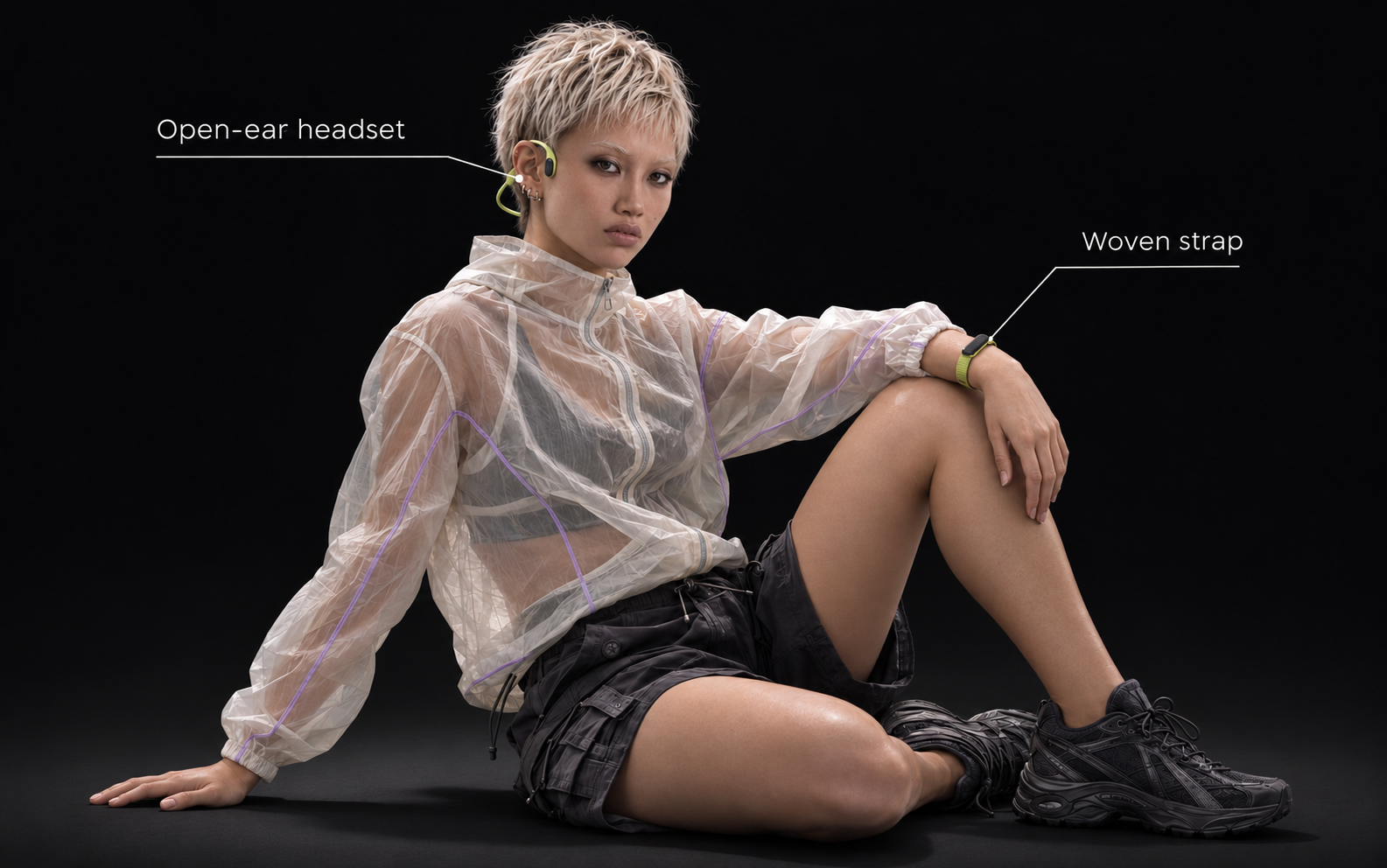
Developing closed-loop systems, wearables, materiality and the designer’s role.
Using Critical Report feedback to refine the project narrative and visual language.
Further development and refinement.
Weeks 17–18: Assembling Final Parts
Assembling and organising the final project components.
Continuing assembly, review and preparation for final production.
Weeks 19–24: Final Production Period
Beginning the final production period.
Continuing final production and refinement.
Refining the final outcome and supporting material.
Continuing refinement, checking and preparation.
Finalising the project and preparing the complete submission.
Final production, checks and delivery.
Week 13 · Further Development
Page Summary: In this entry: Further Development.
Posts in this week
Weeks 13-16: Further development, peer review of report draft.
Introduction Read, Watch and Listen From VRET to Live Sensory Regulation Turning Biosignals into Real-Time Feedback Biosignals and Physiological Arousal What Machine Learning Can and Cannot Infer from Biosignals From Adaptive VR to Bioresponsive Technology From Biosensing to a Closed-Loop System What the Critical Report Changed in the Studio PracticeCritical Report

Design Gallery
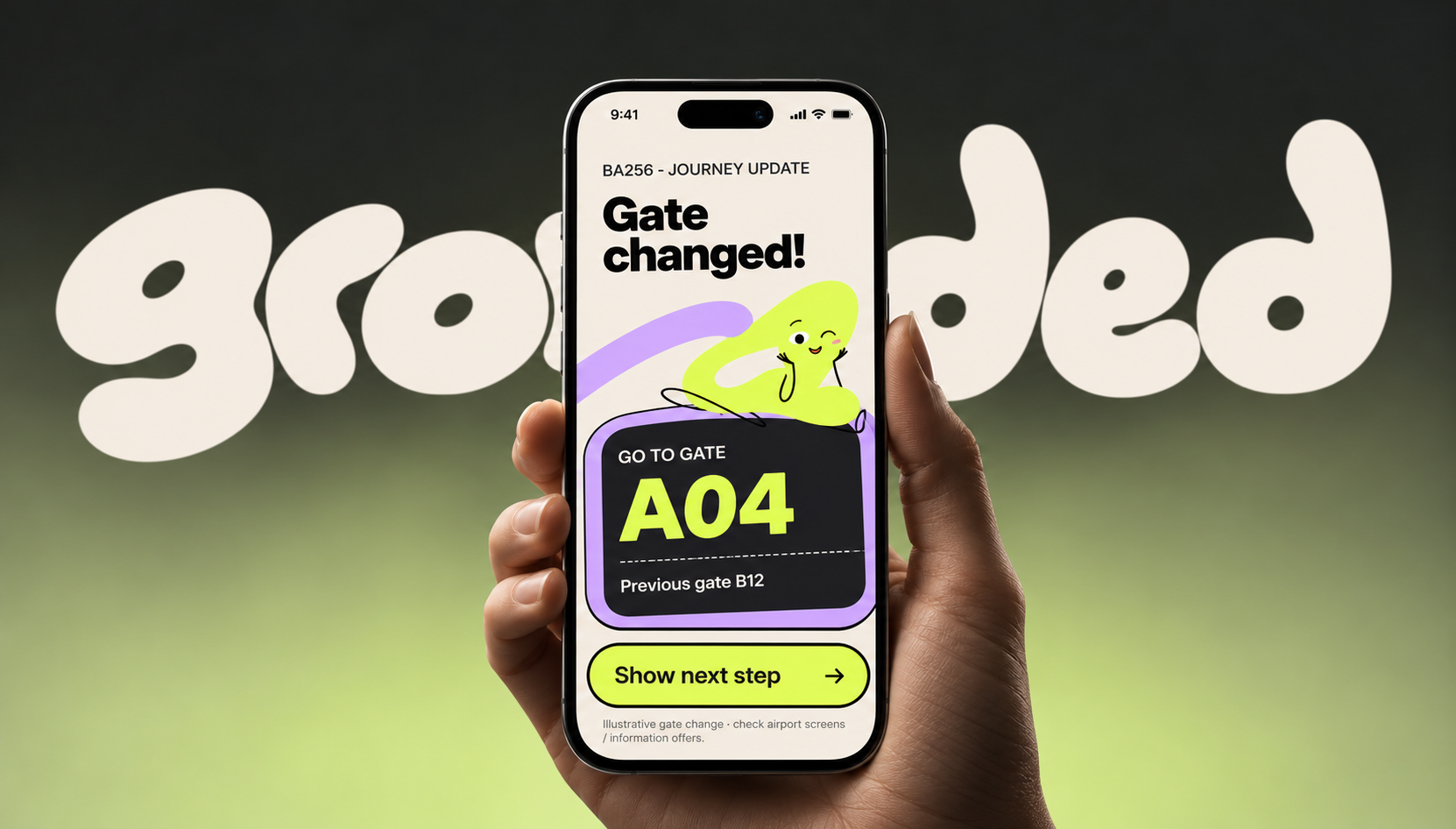

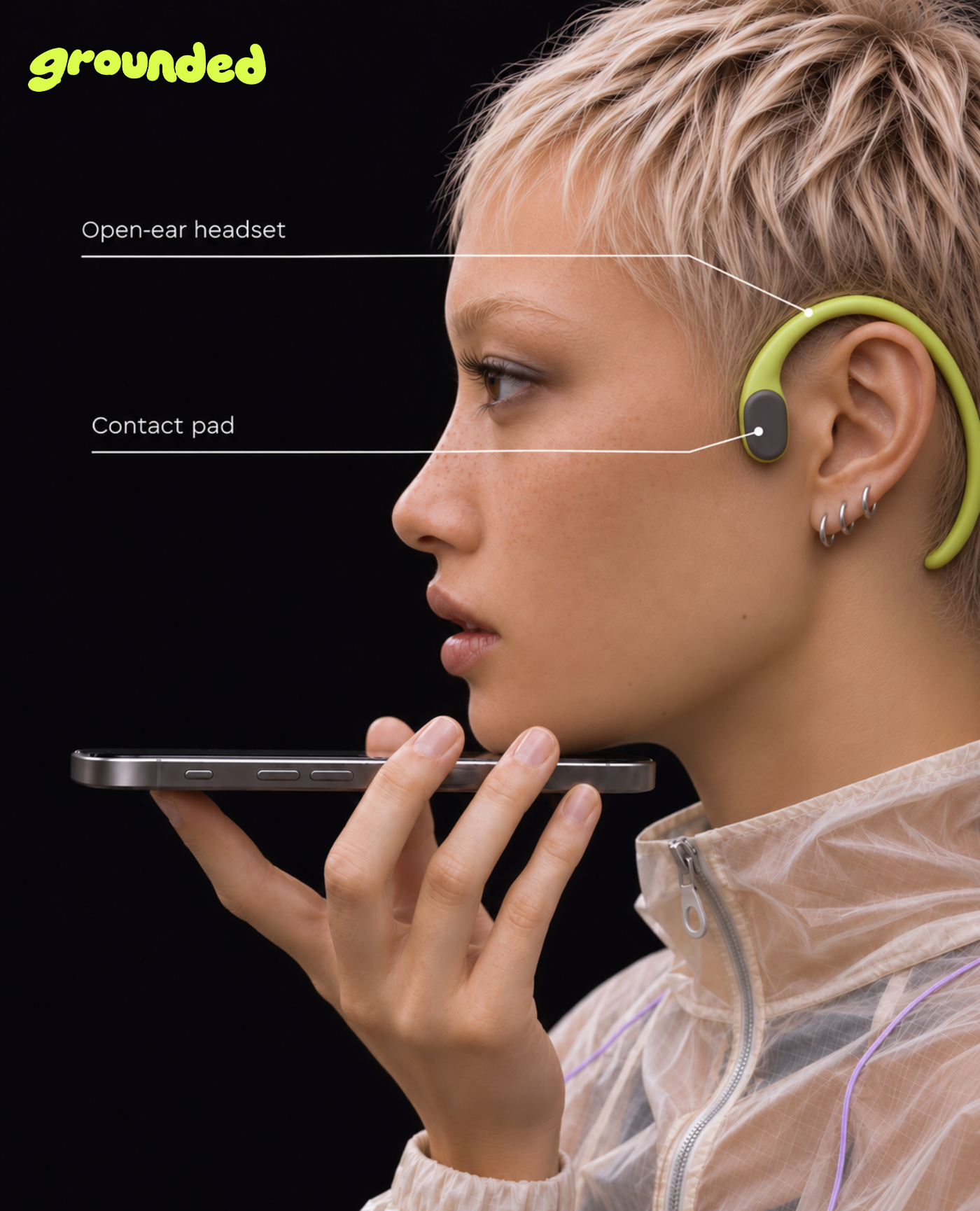
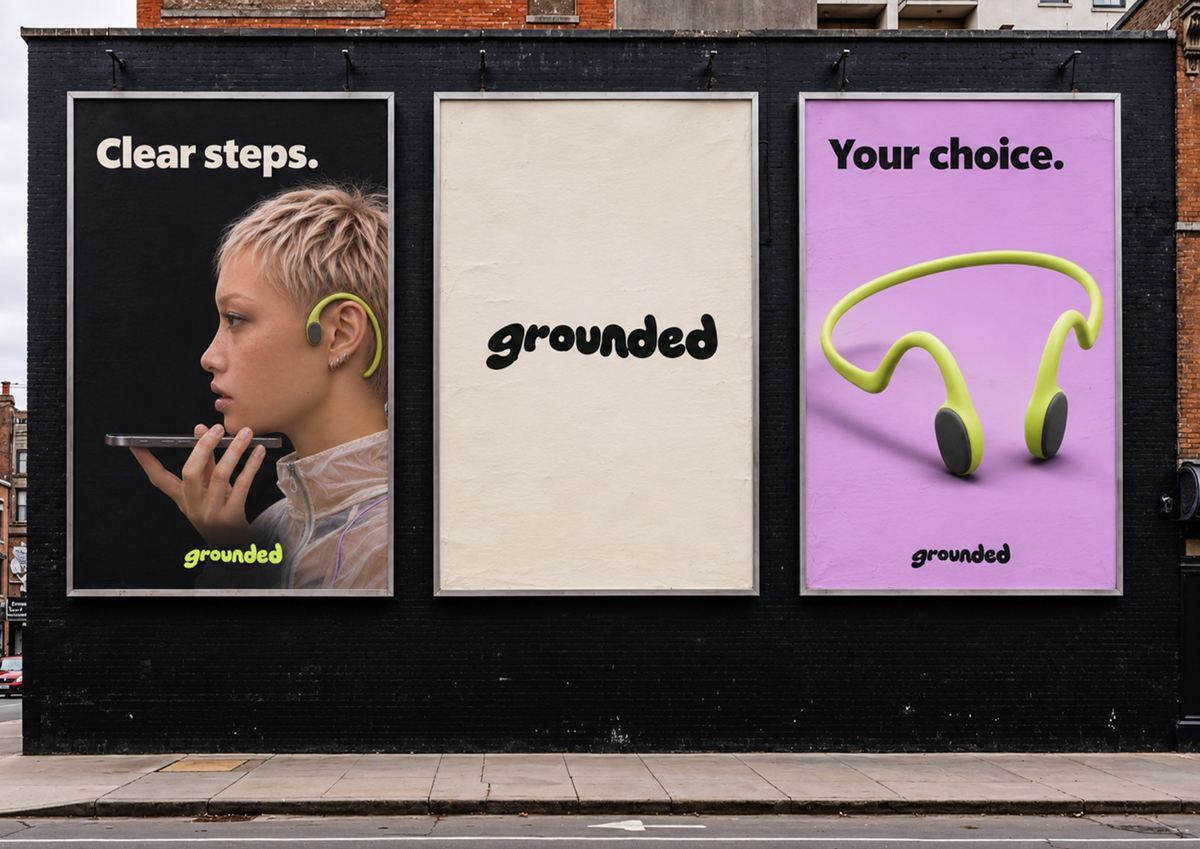
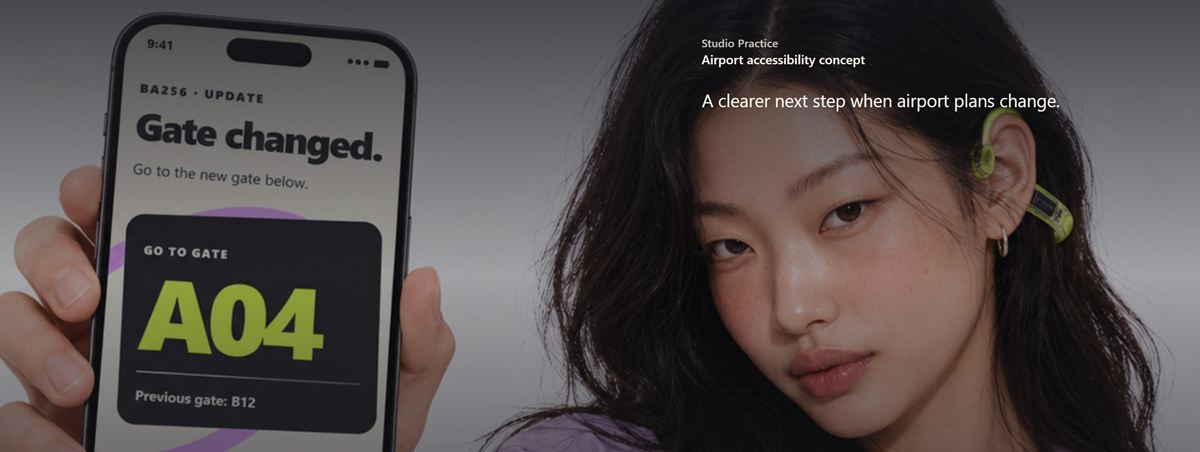
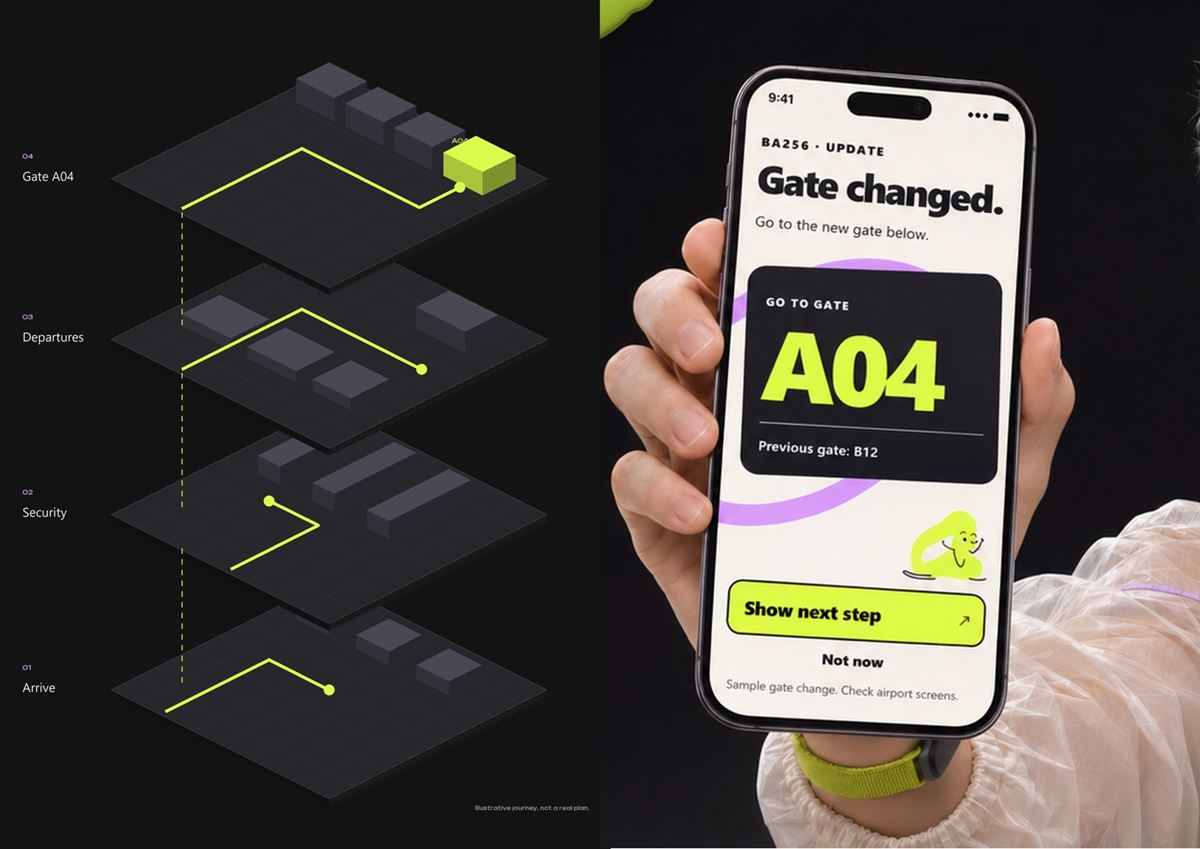
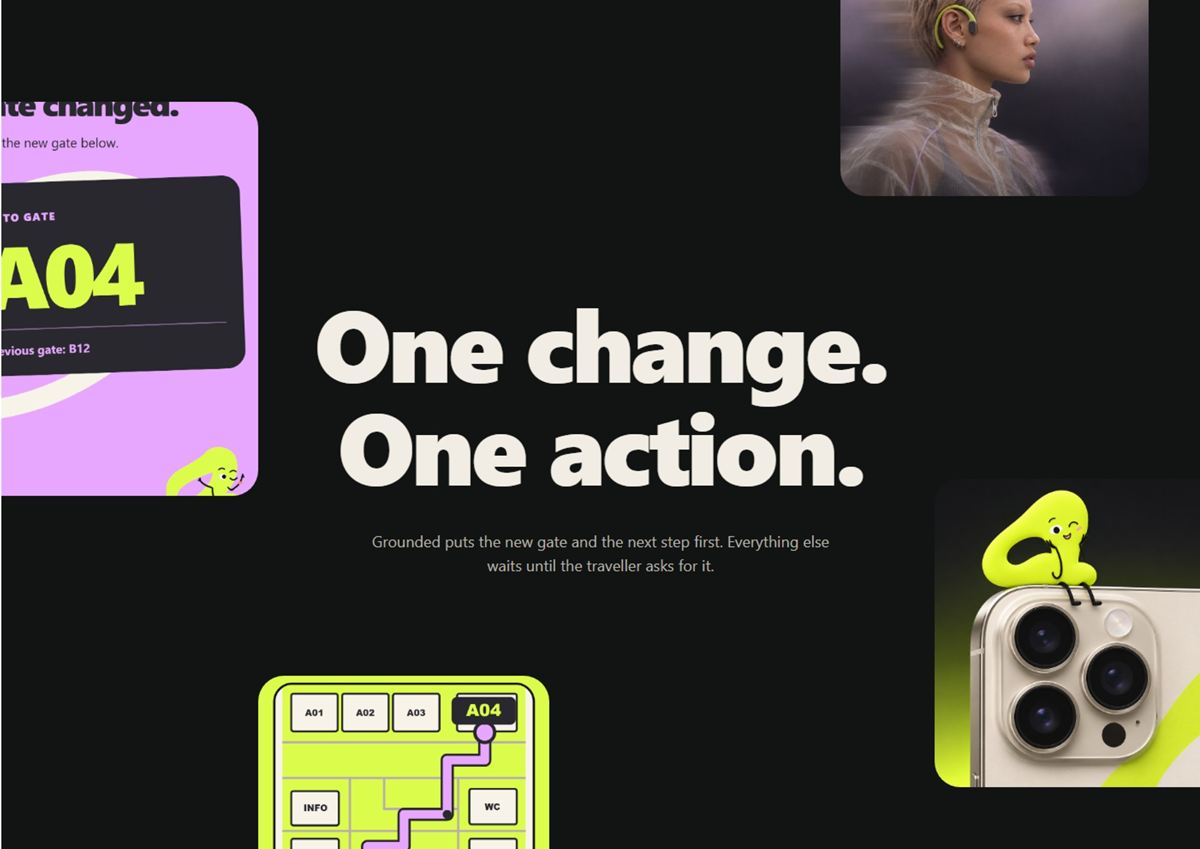
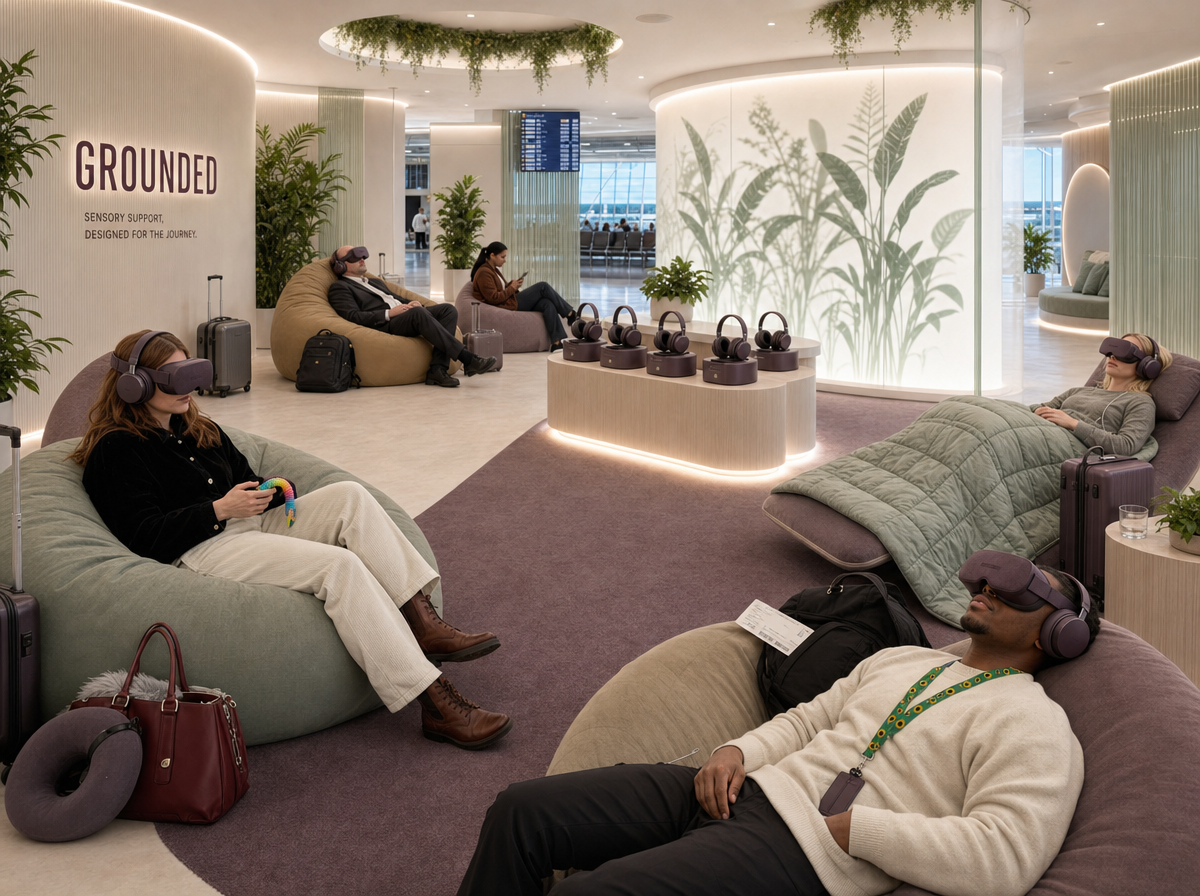
From first sketches to the final Grounded campaign.
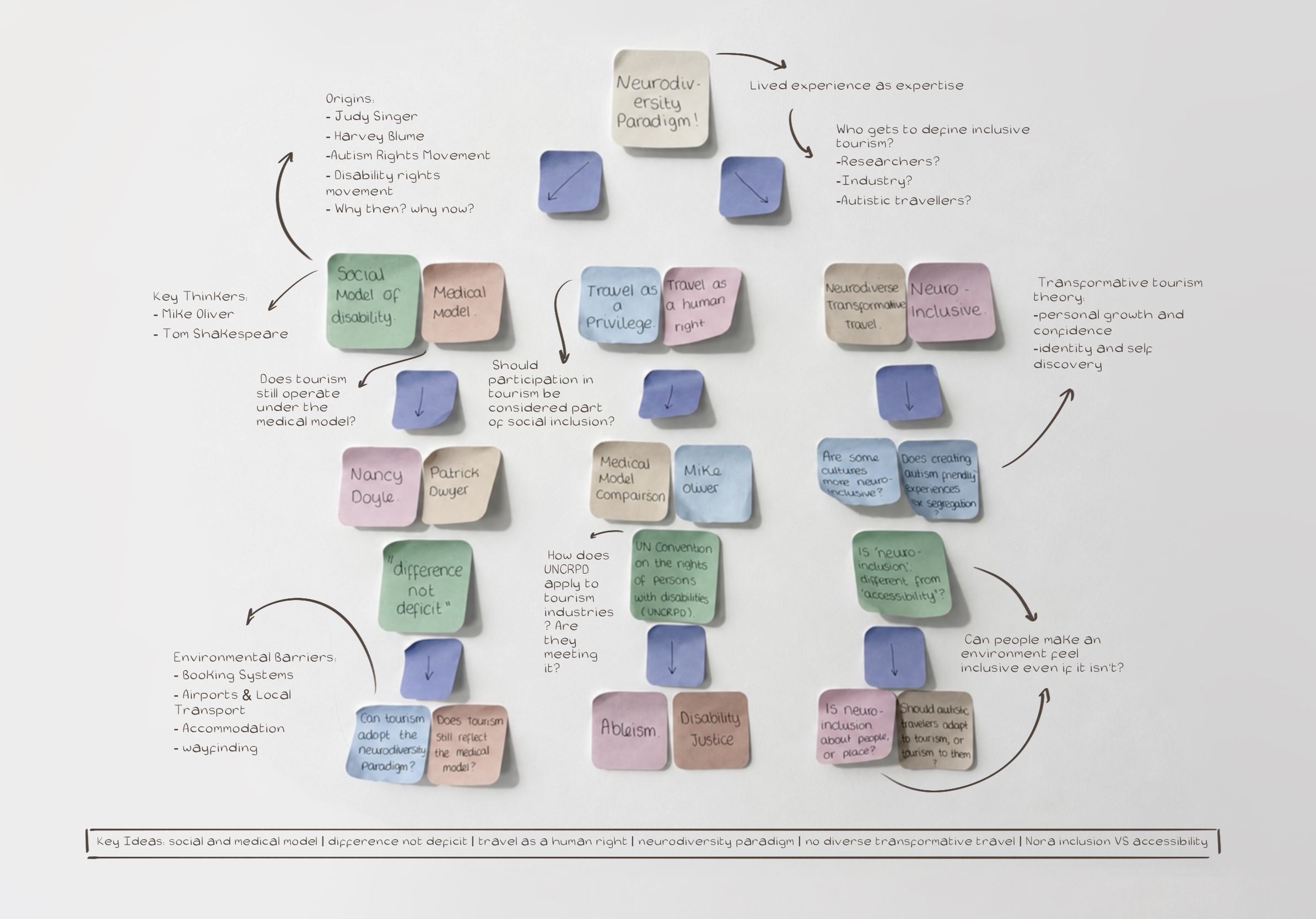
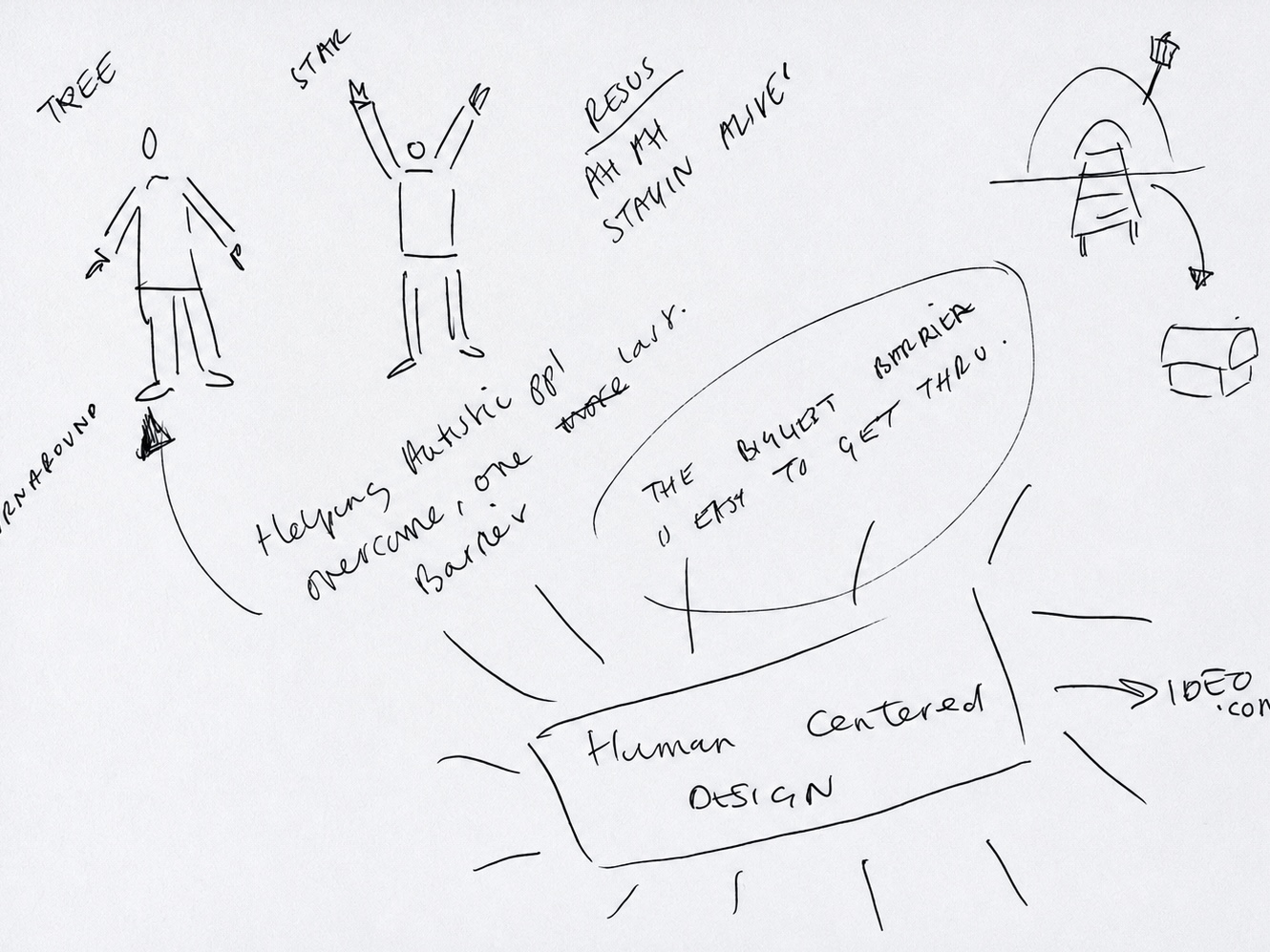
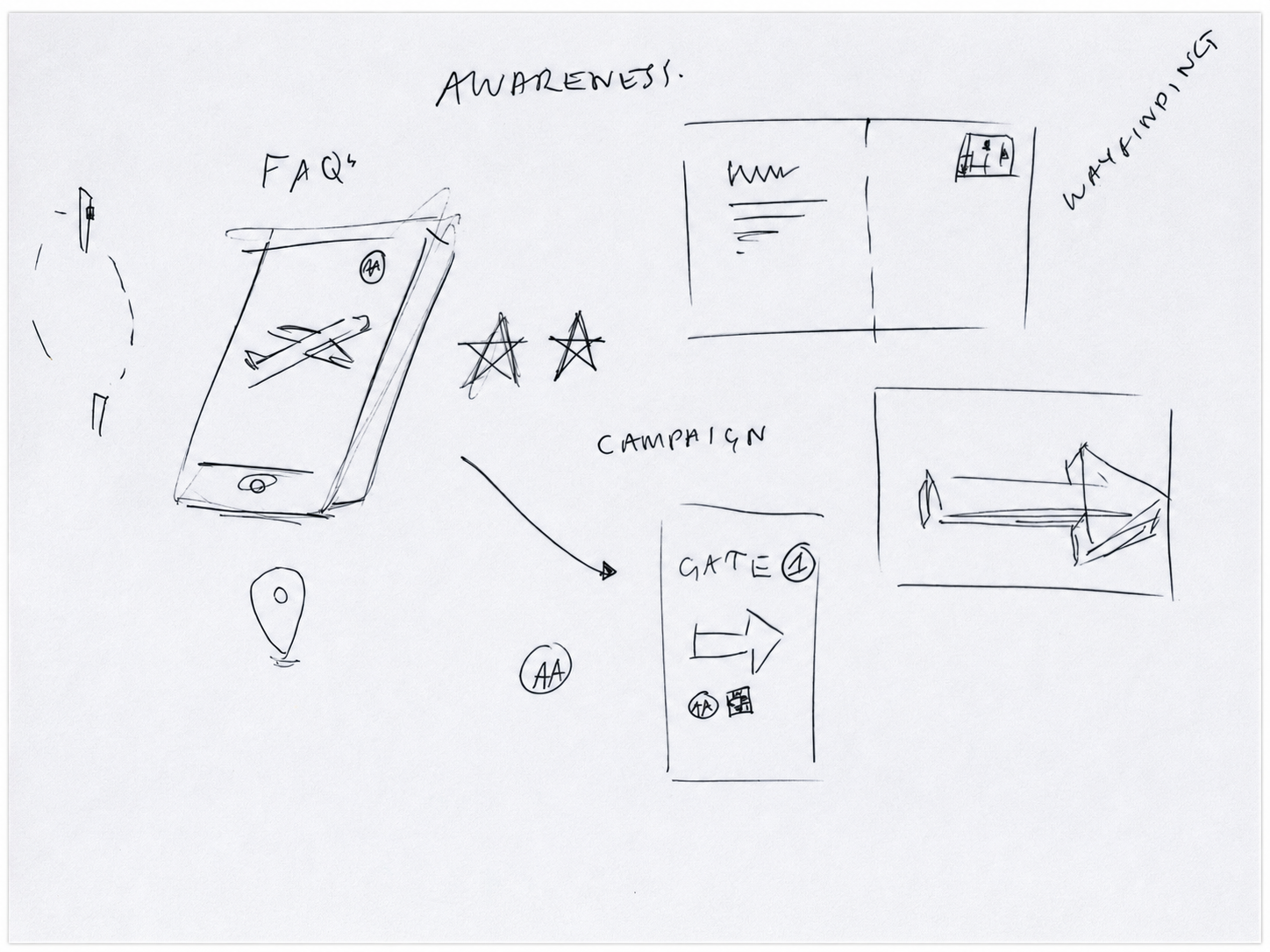
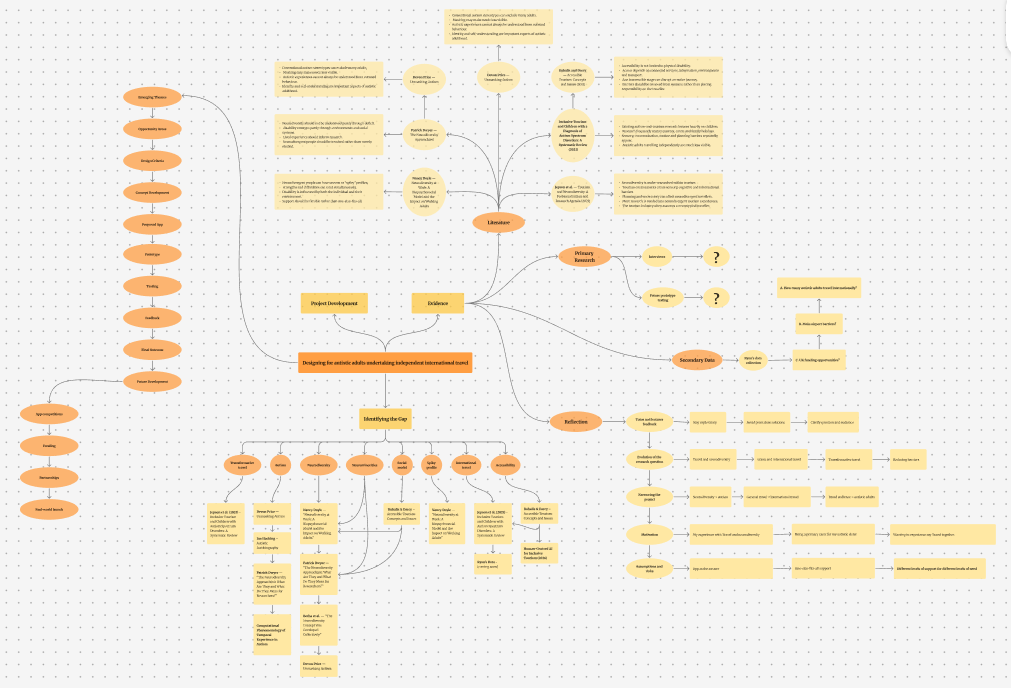
Research sketches
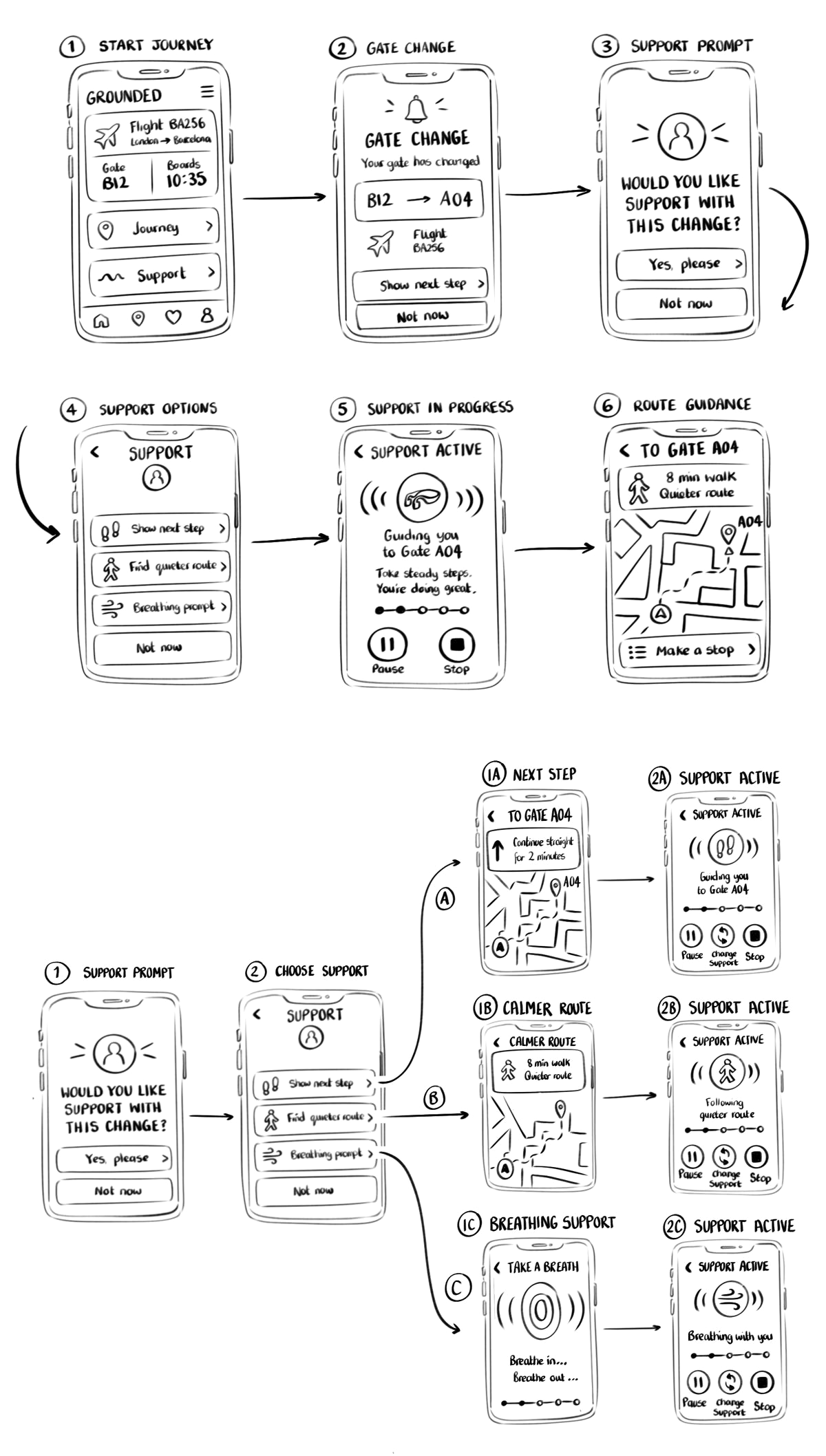
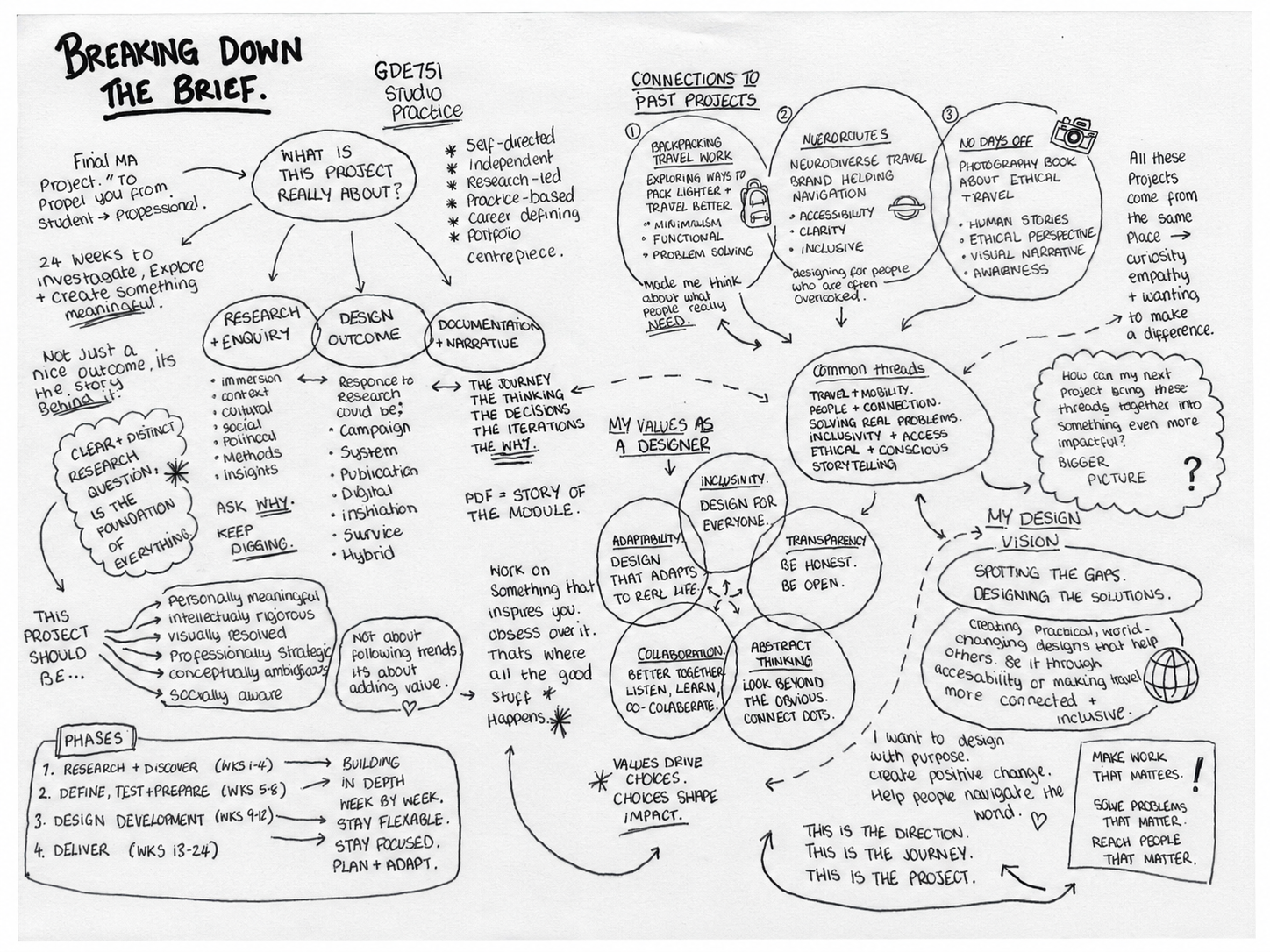
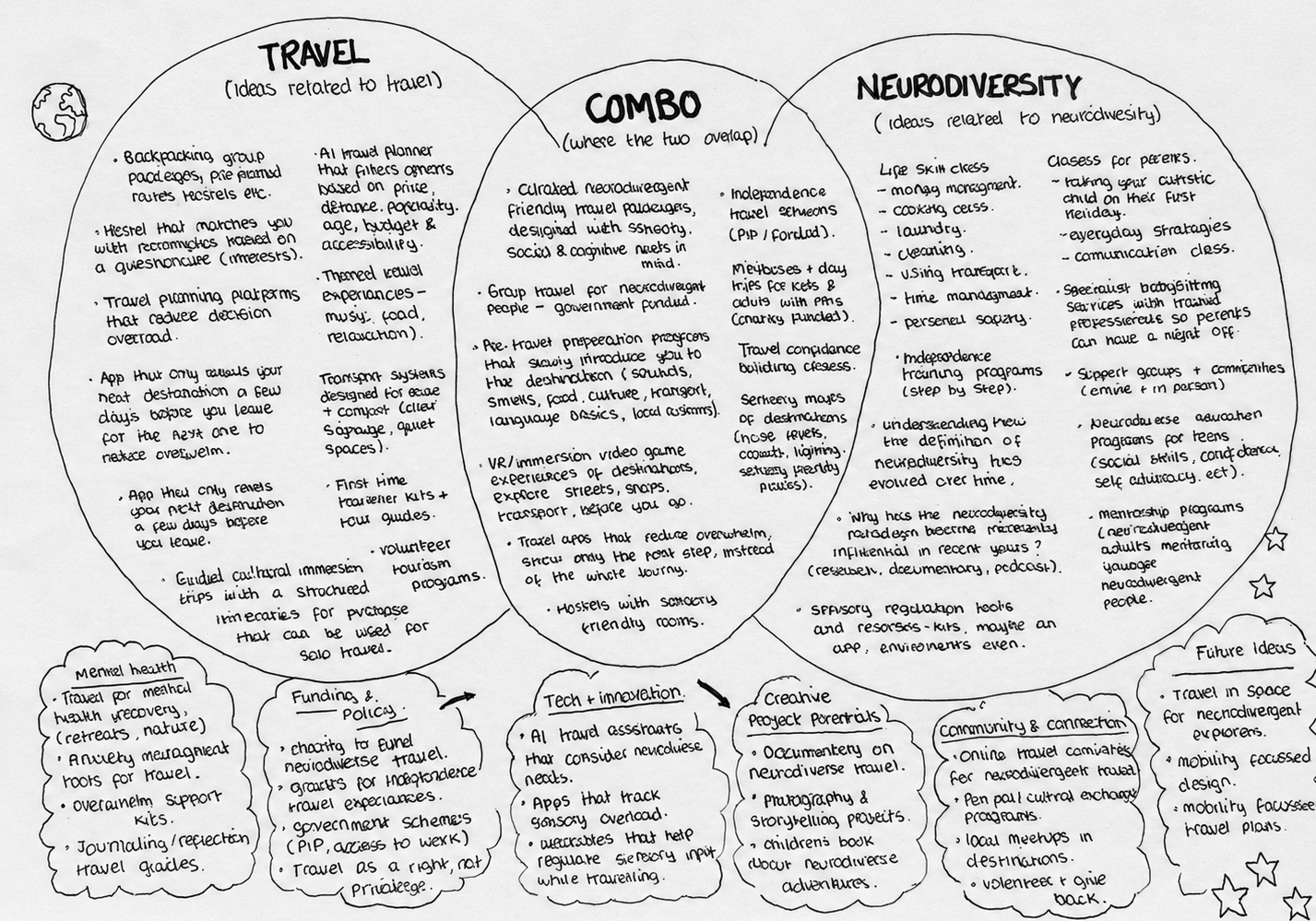
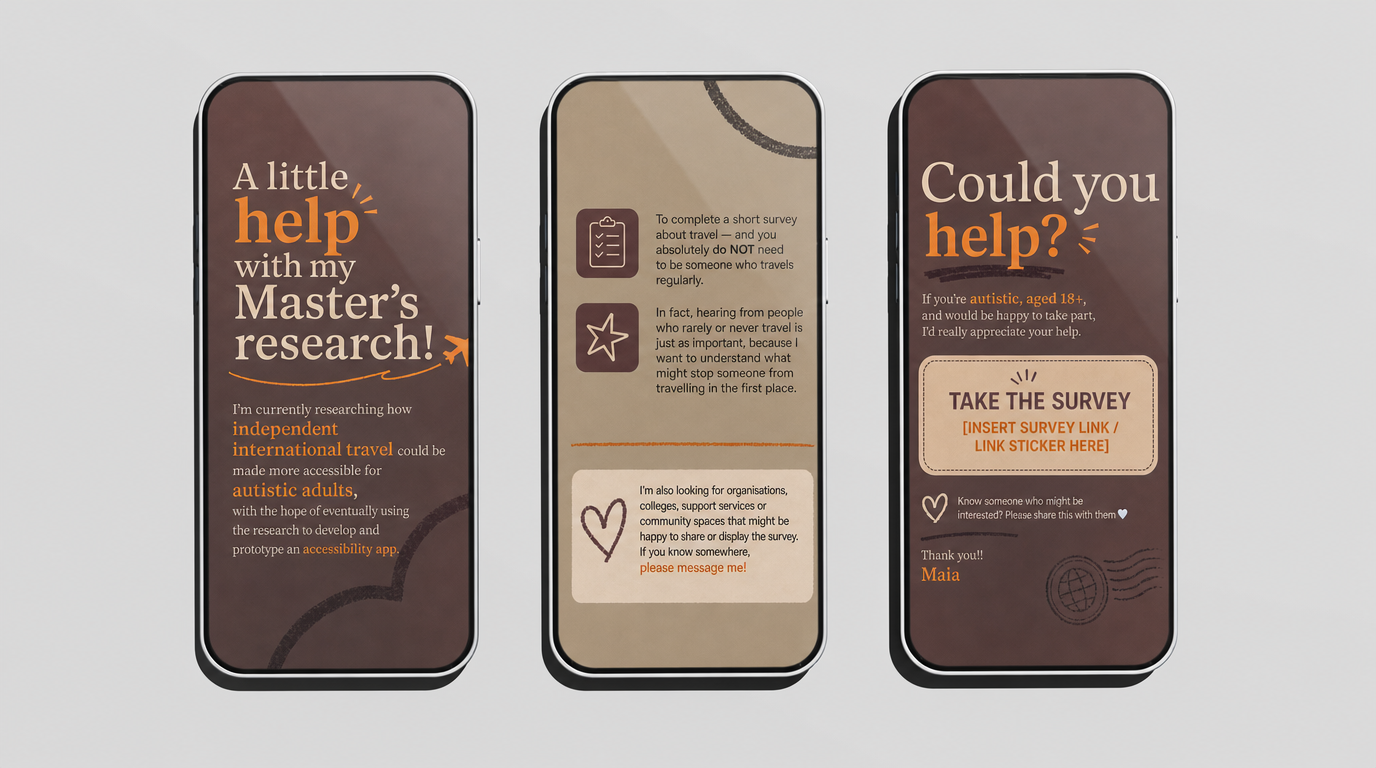
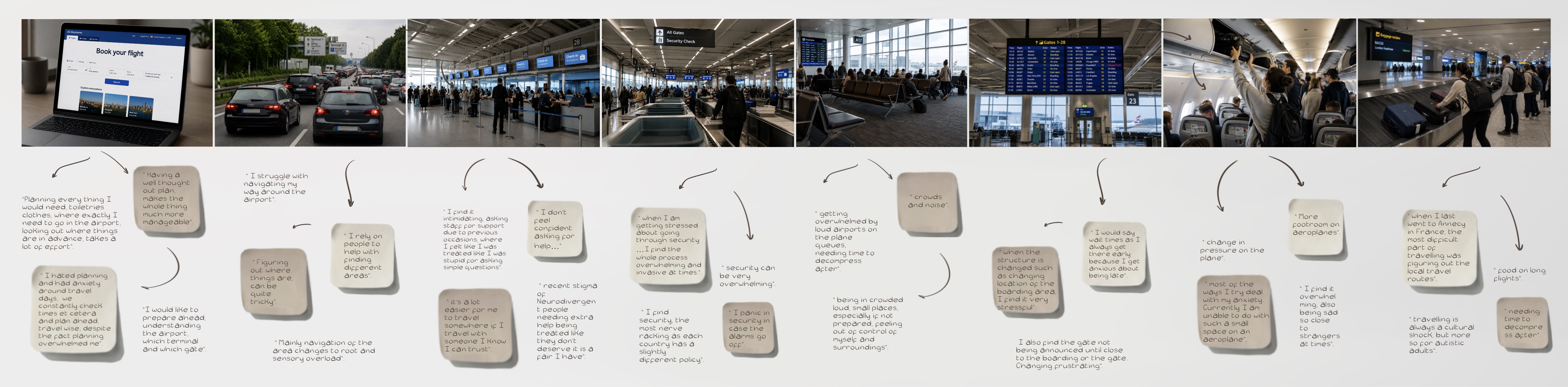
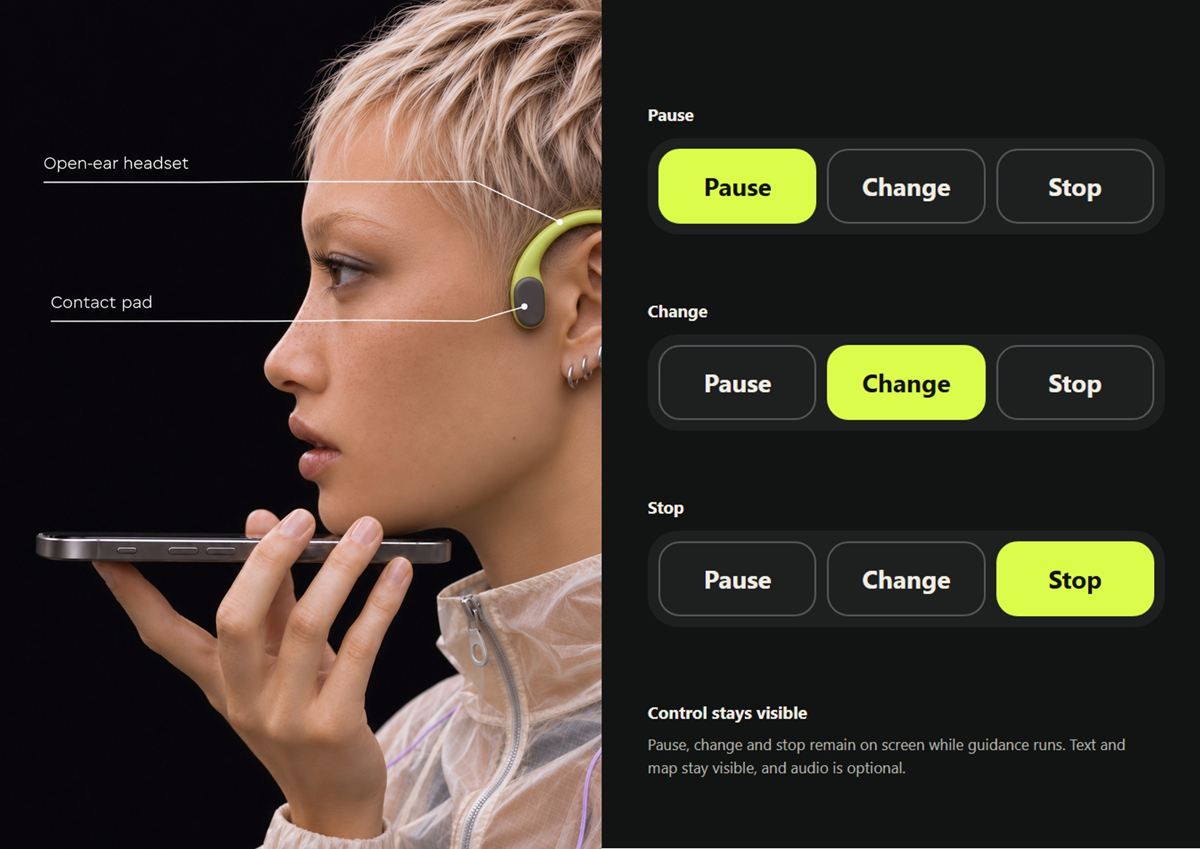
Concept and interaction
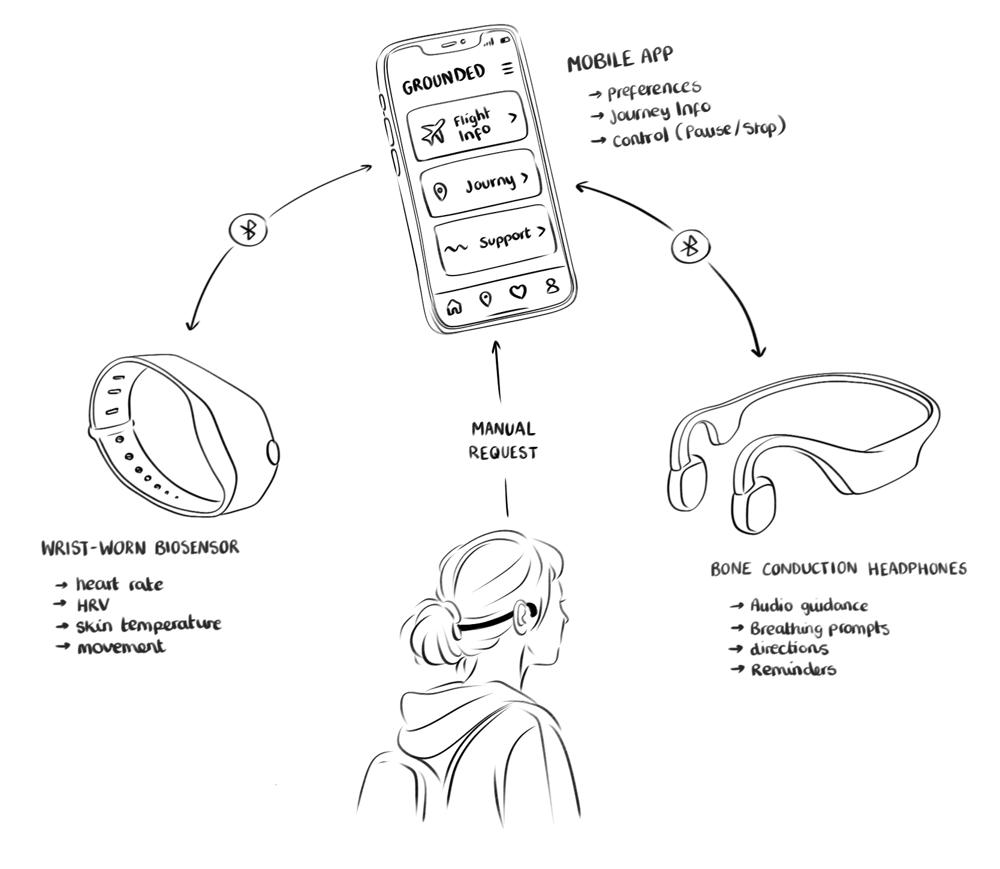
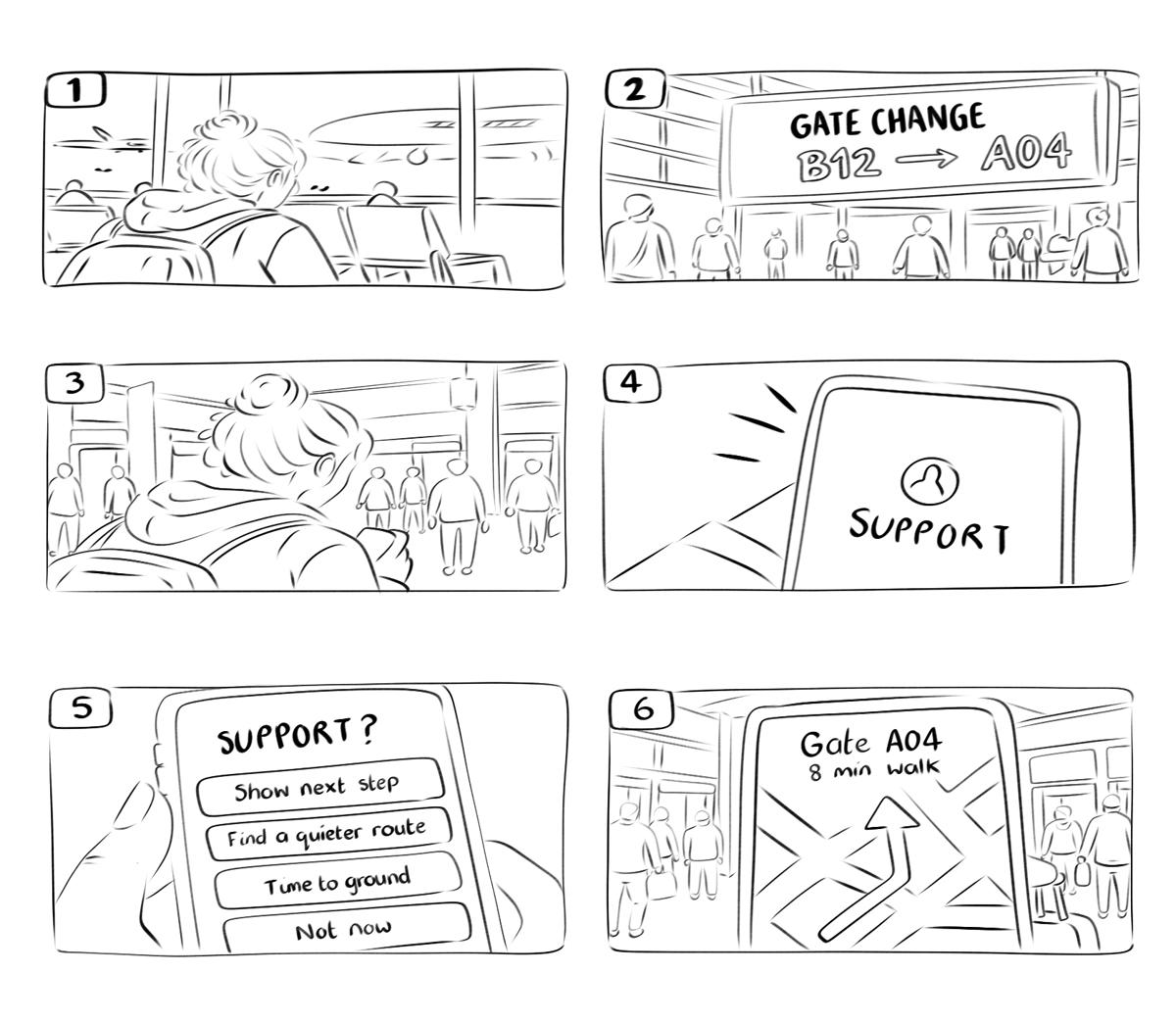
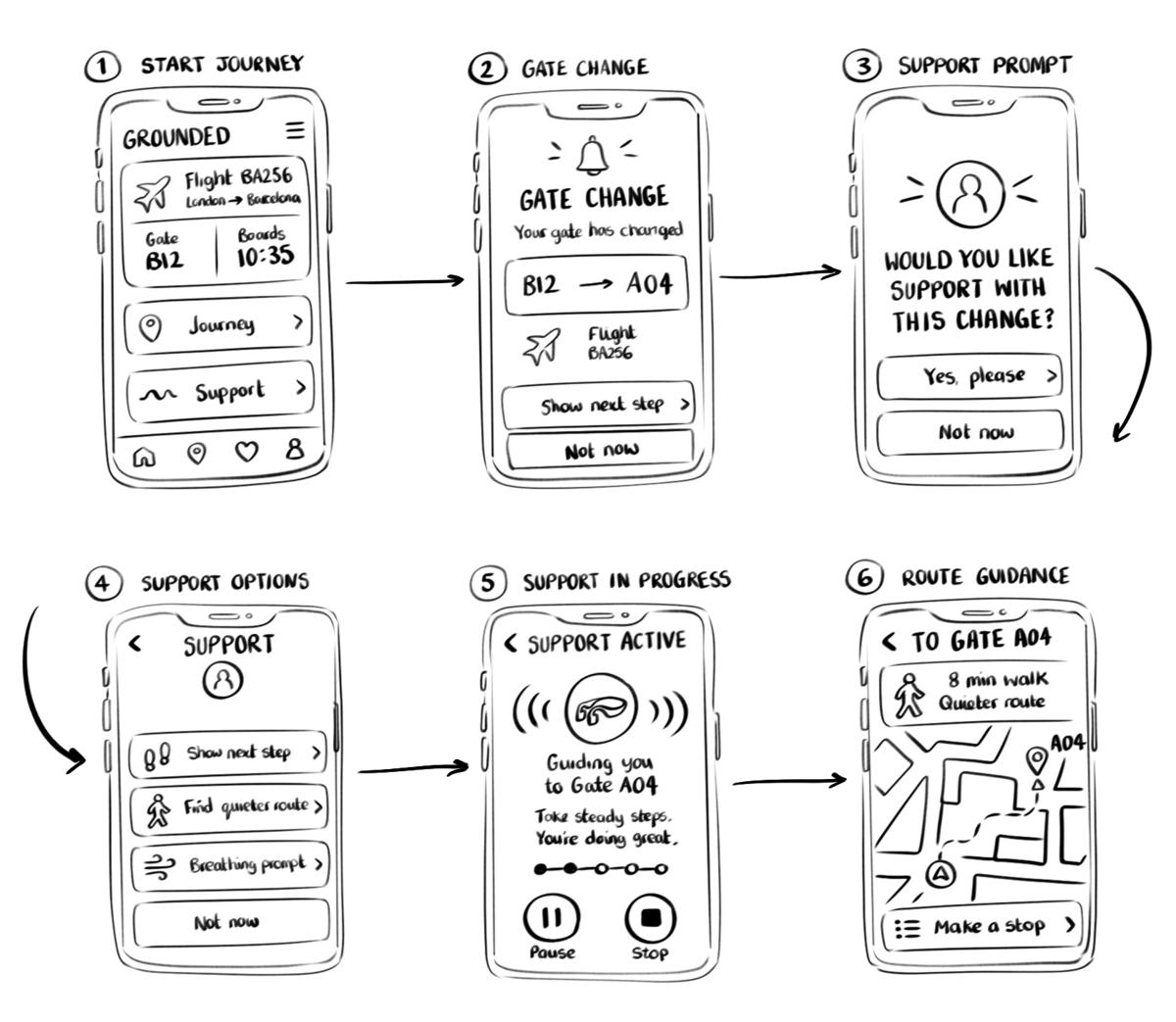
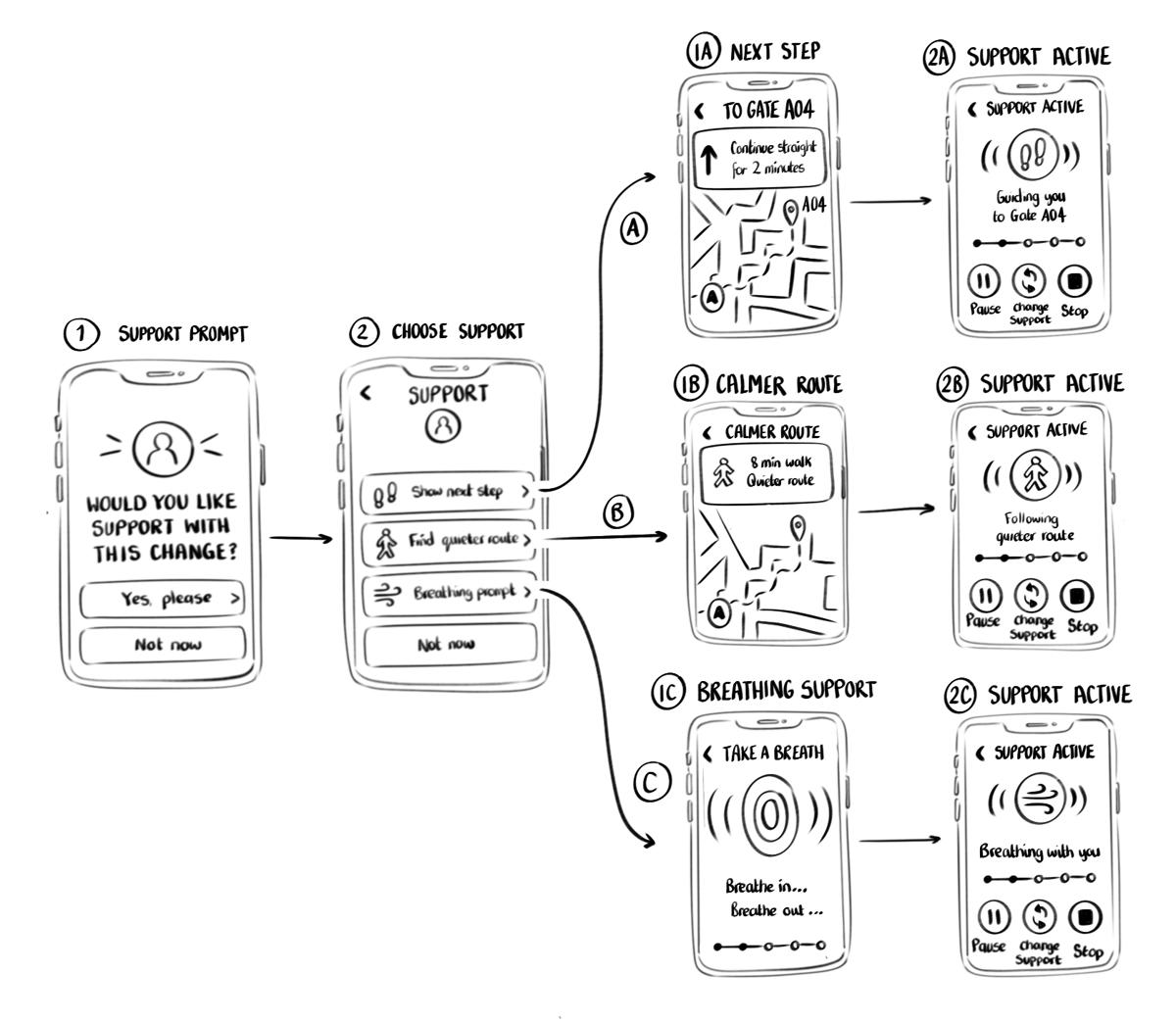
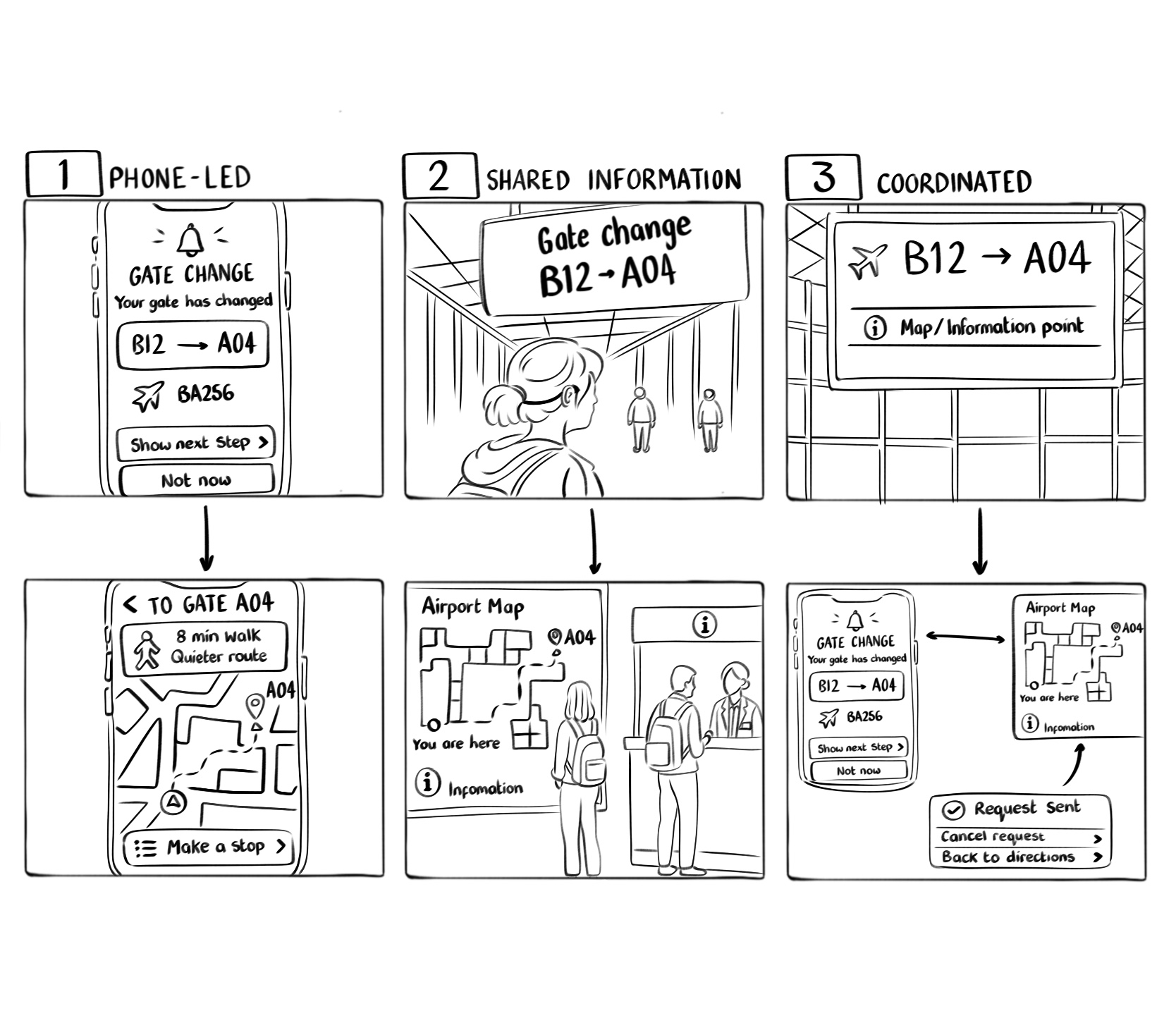
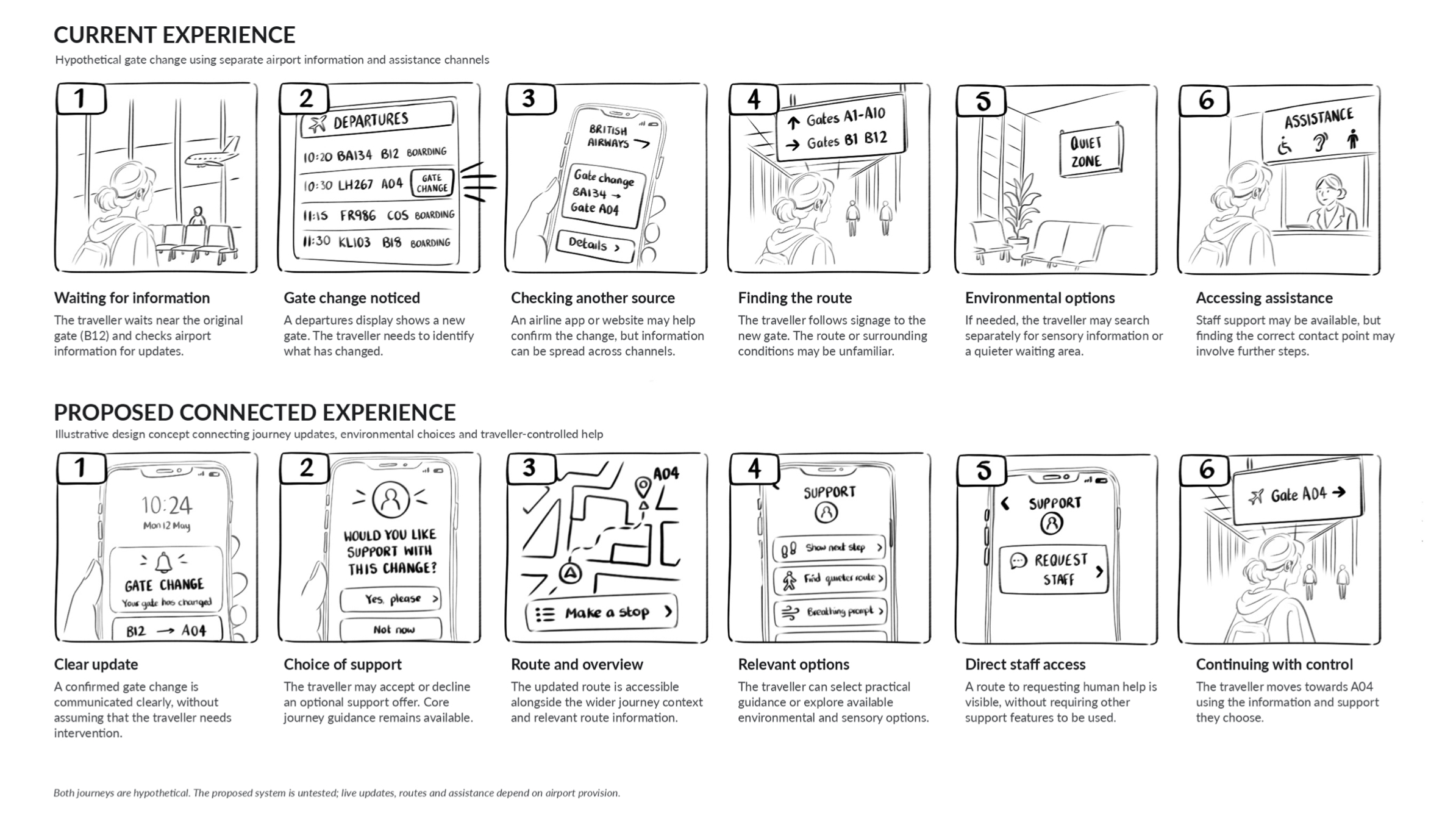
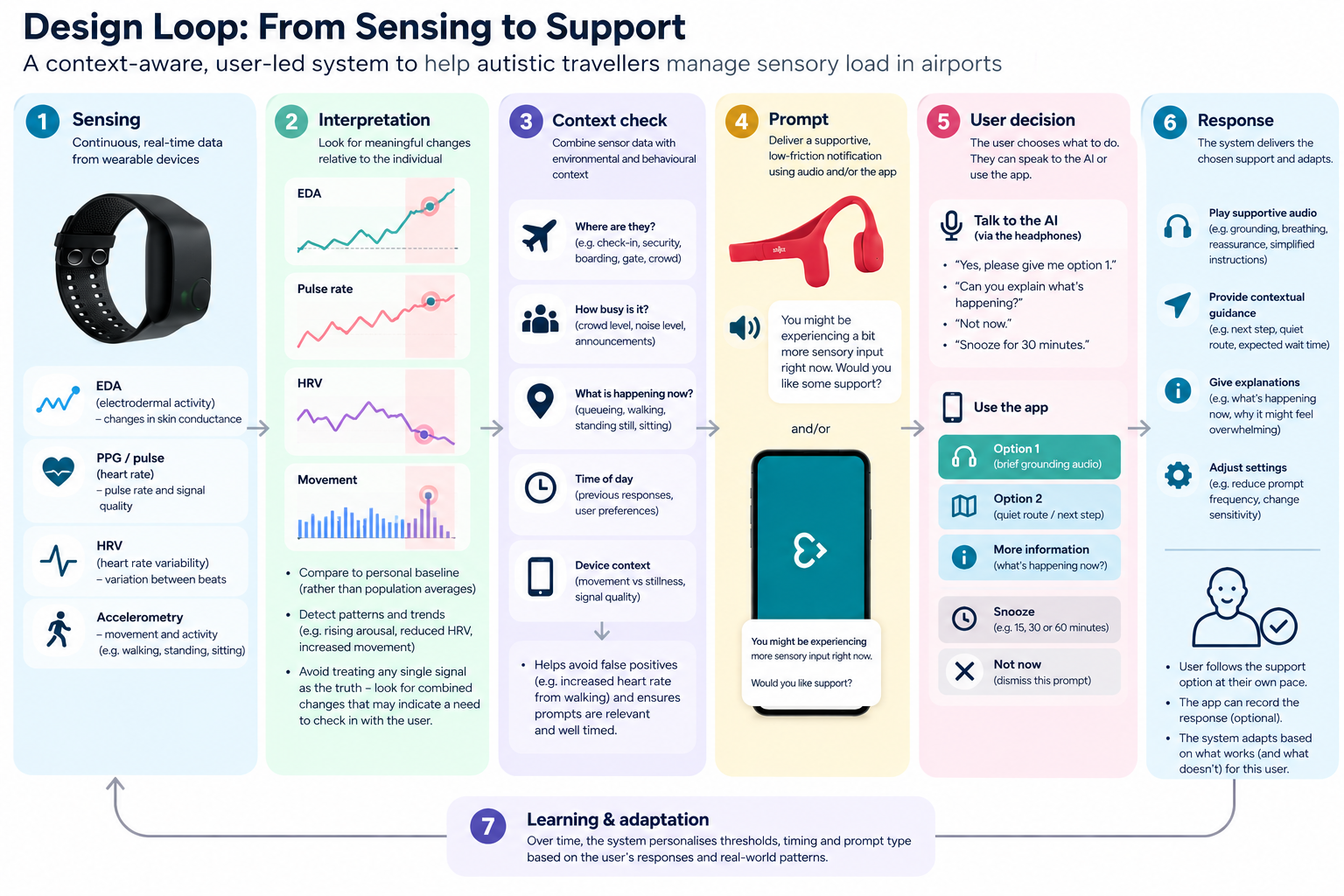
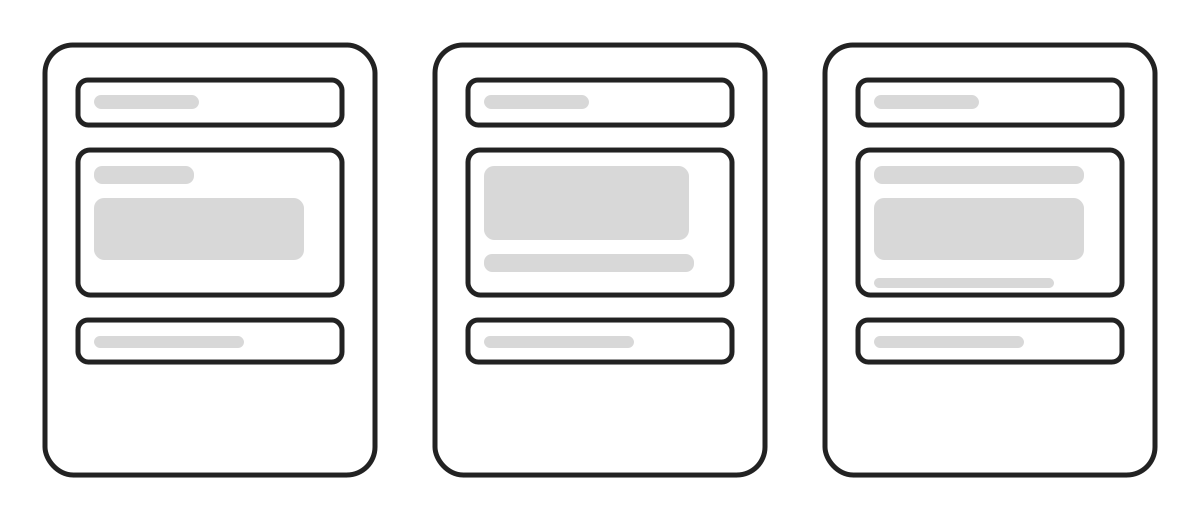
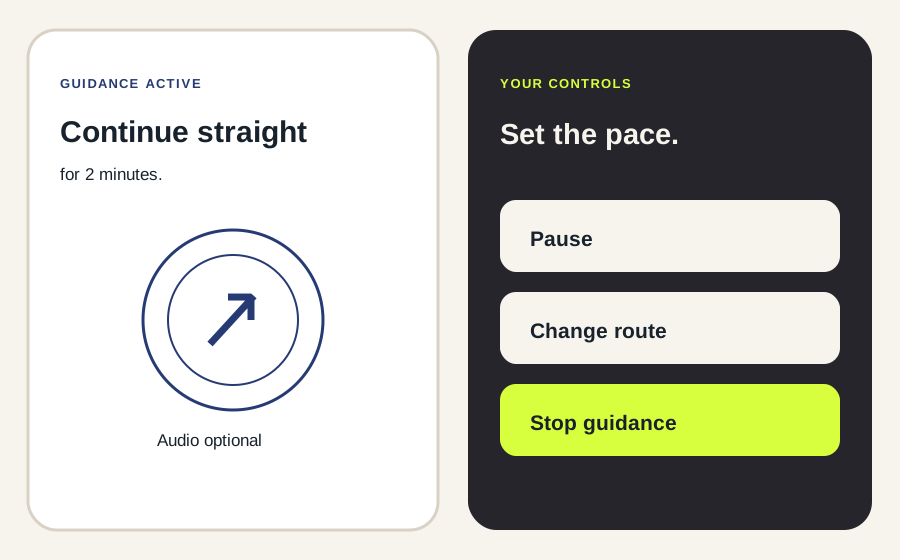
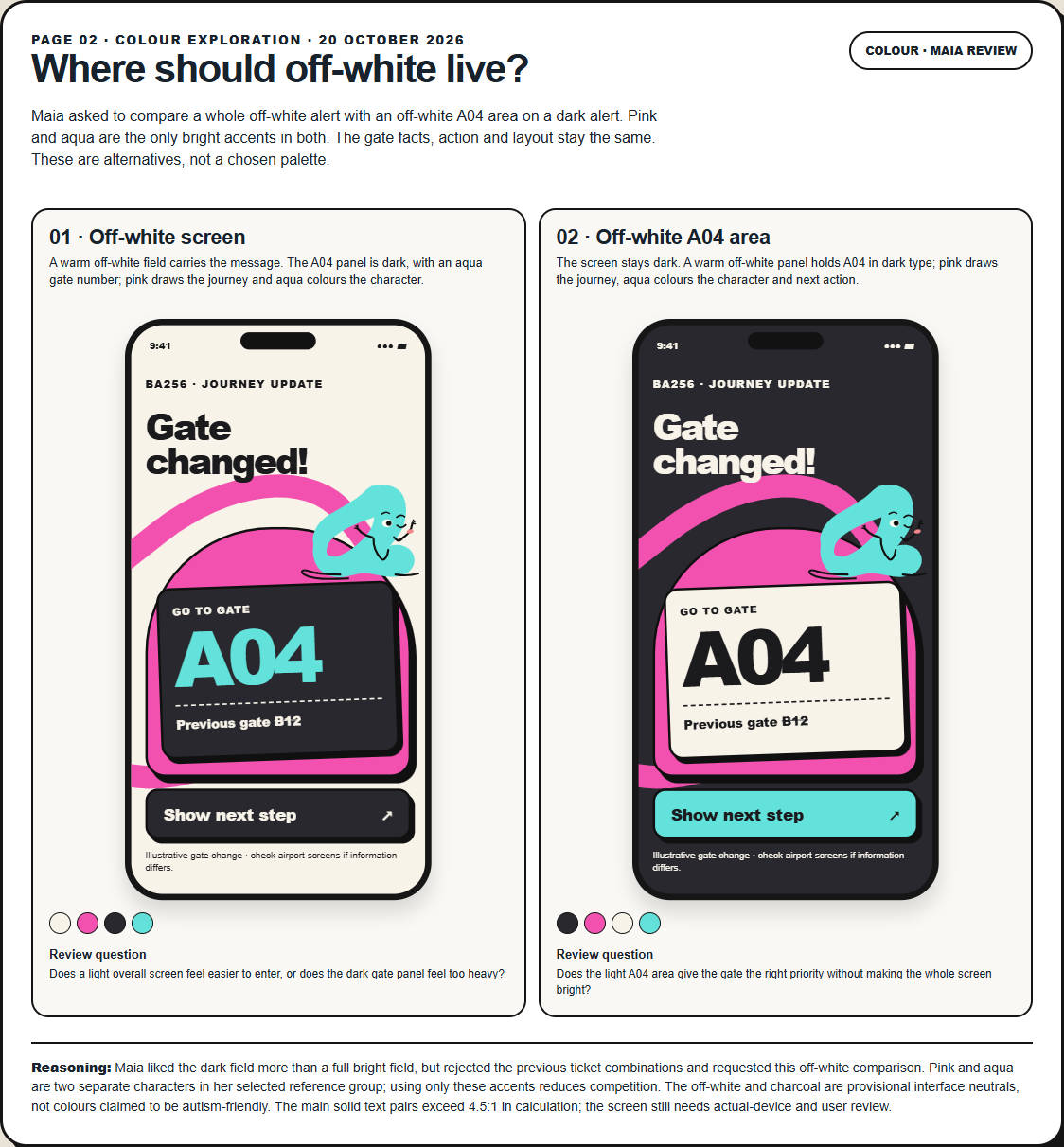
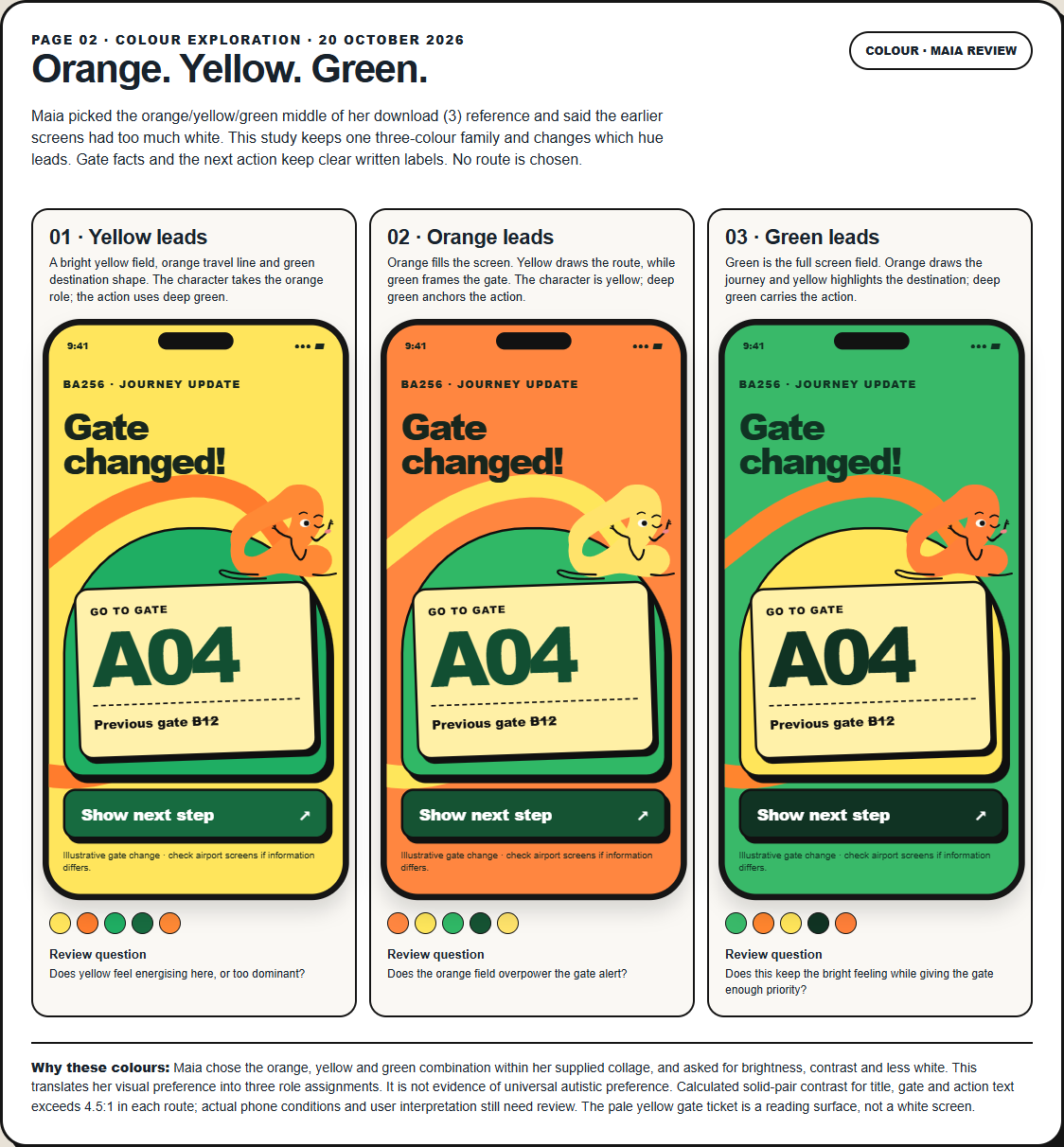
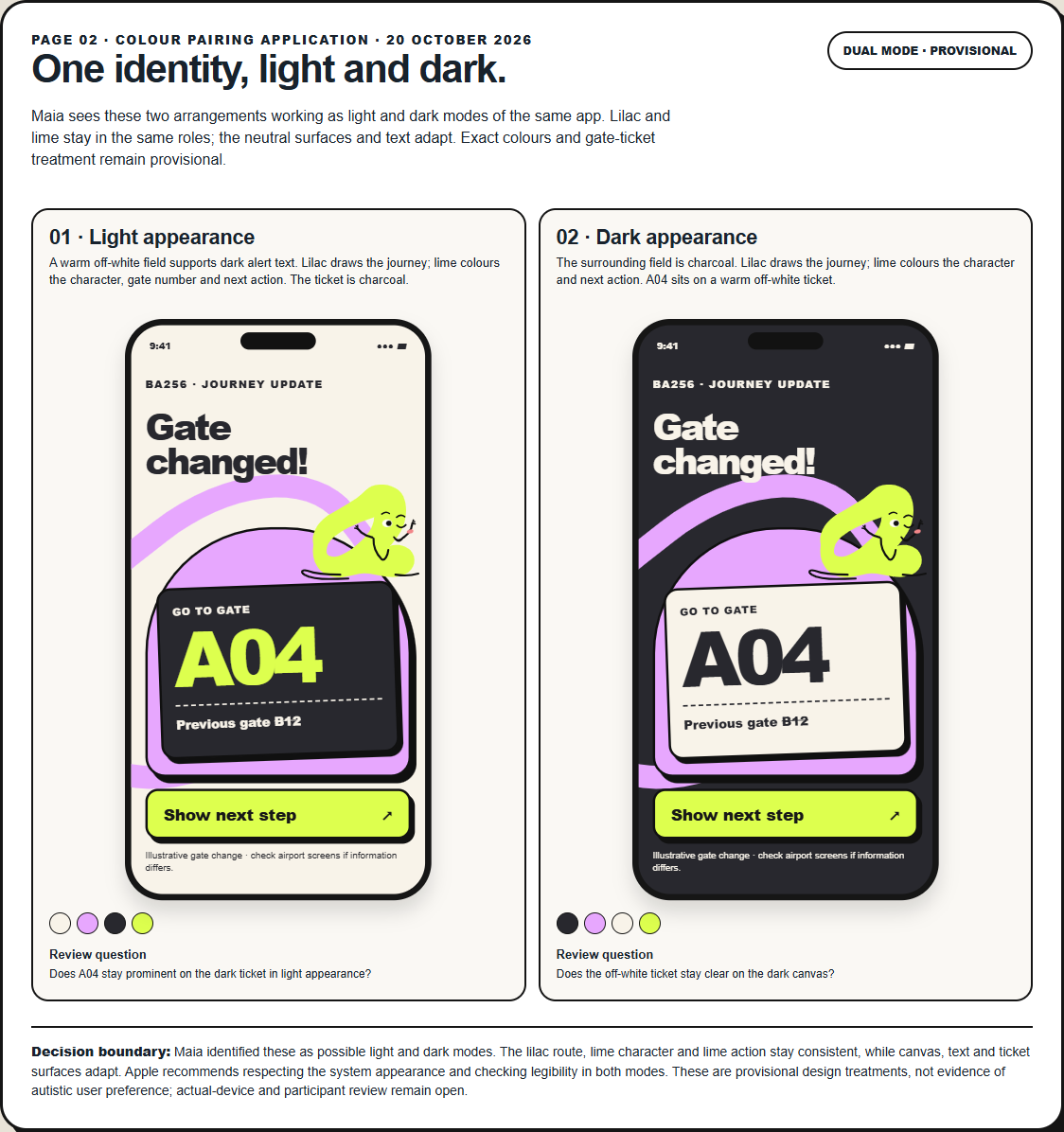
Colour and interface studies
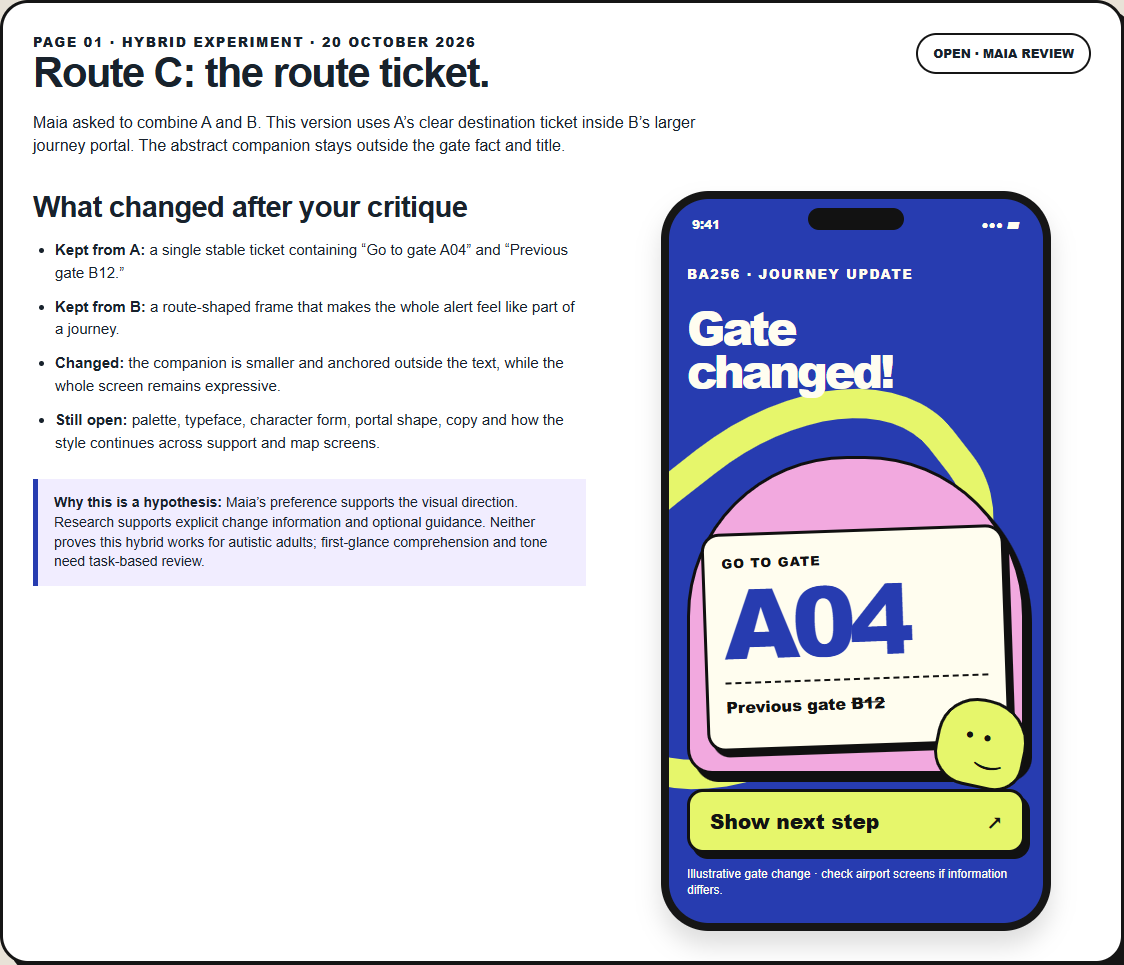
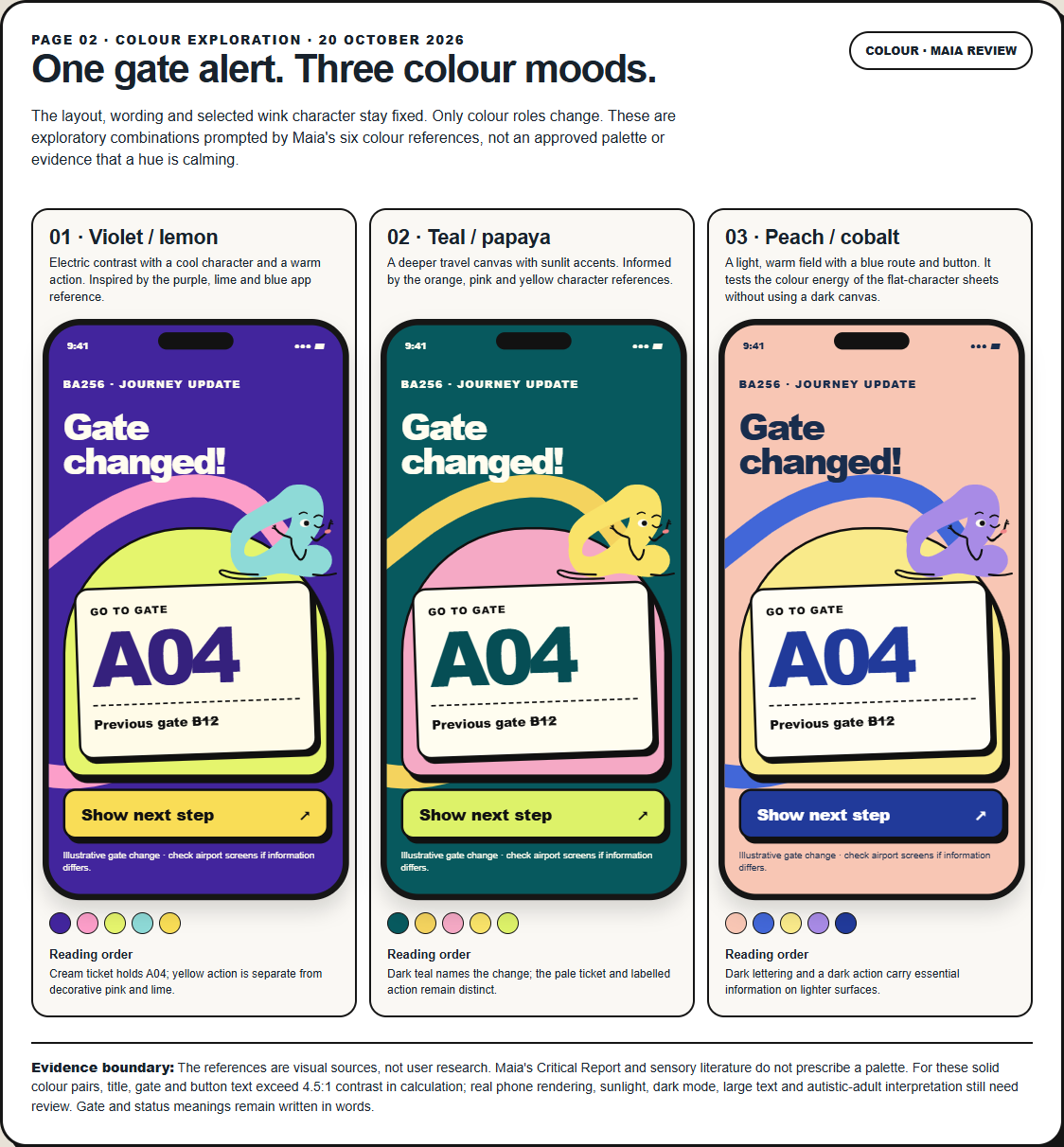
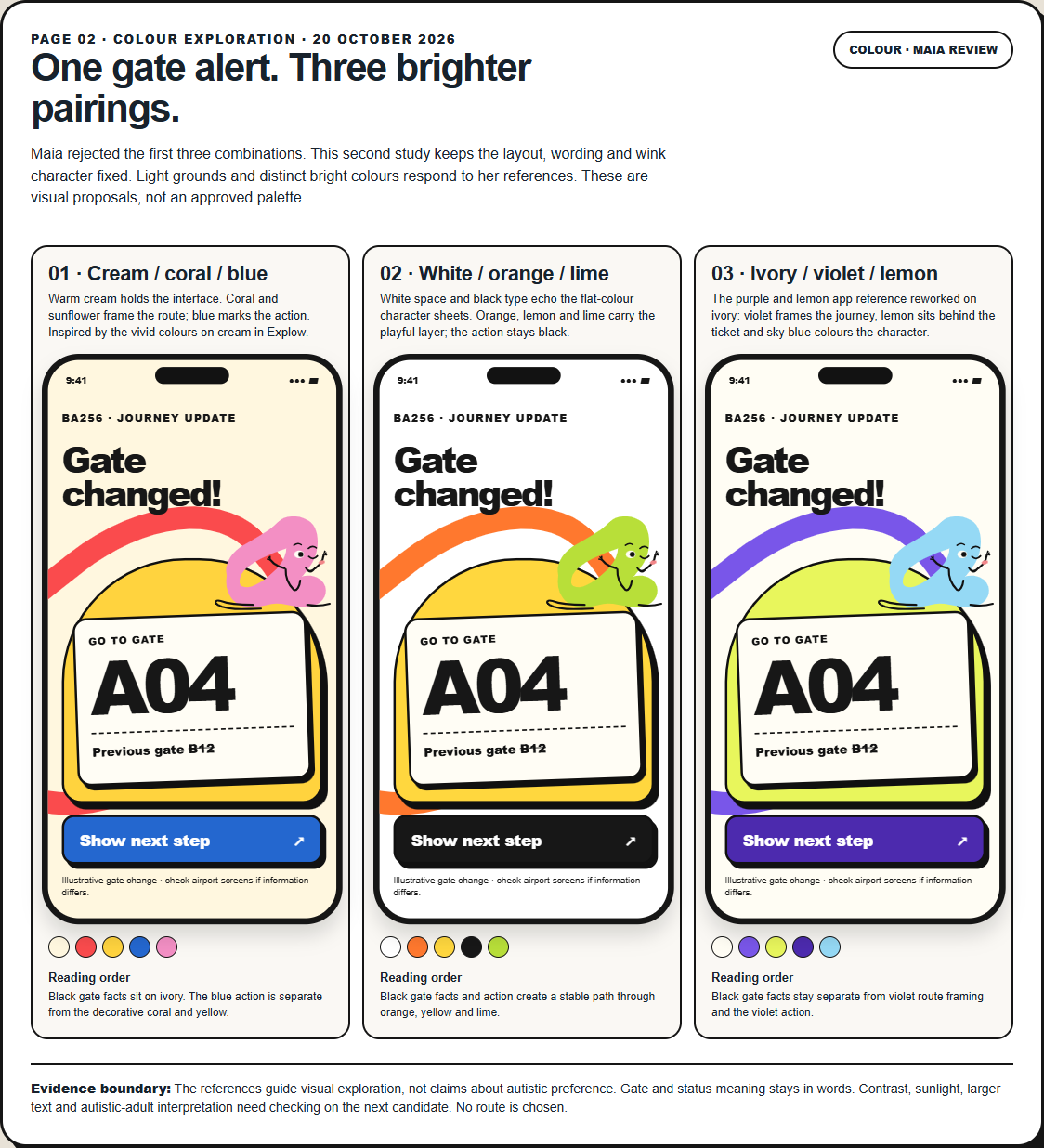
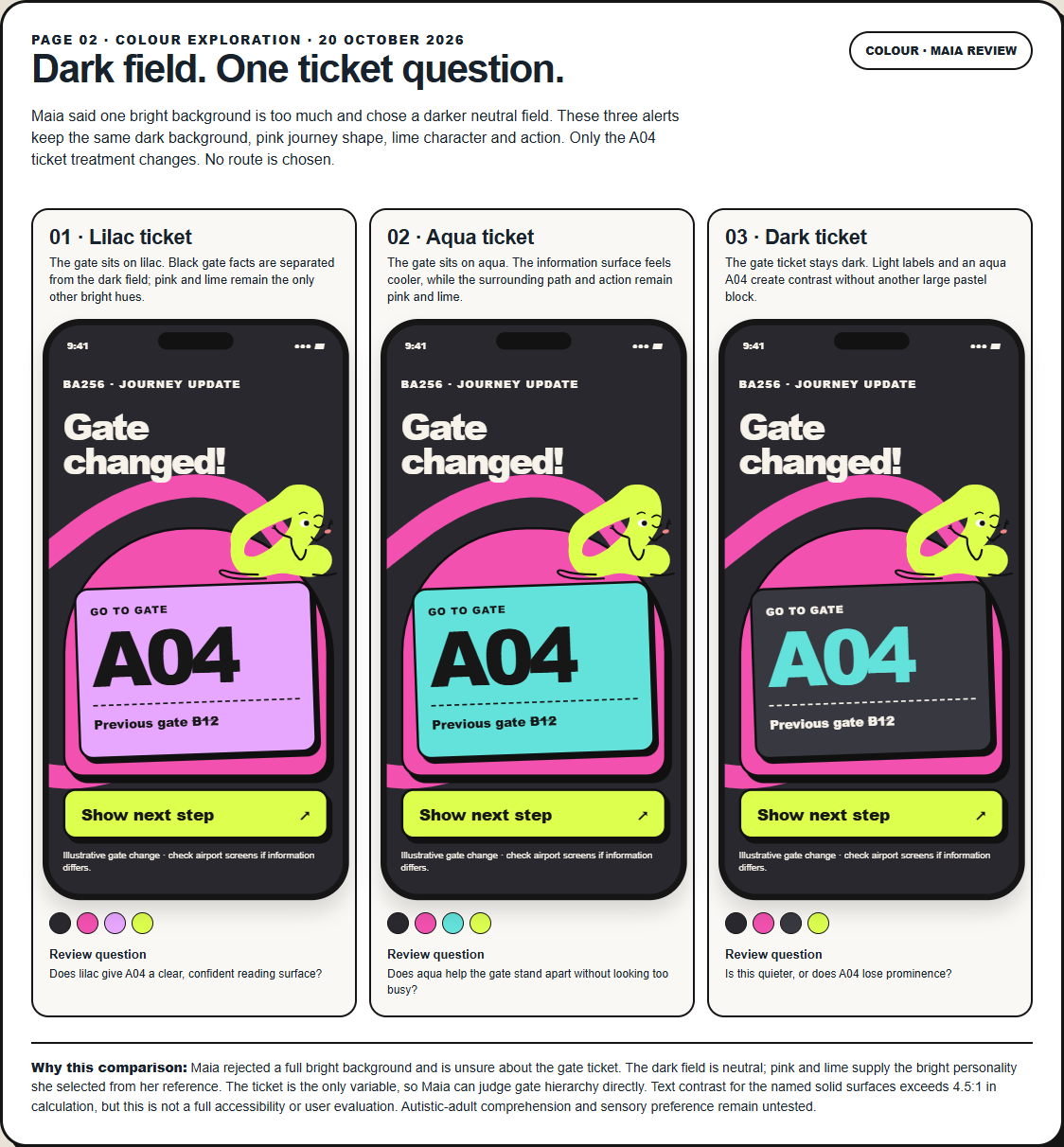
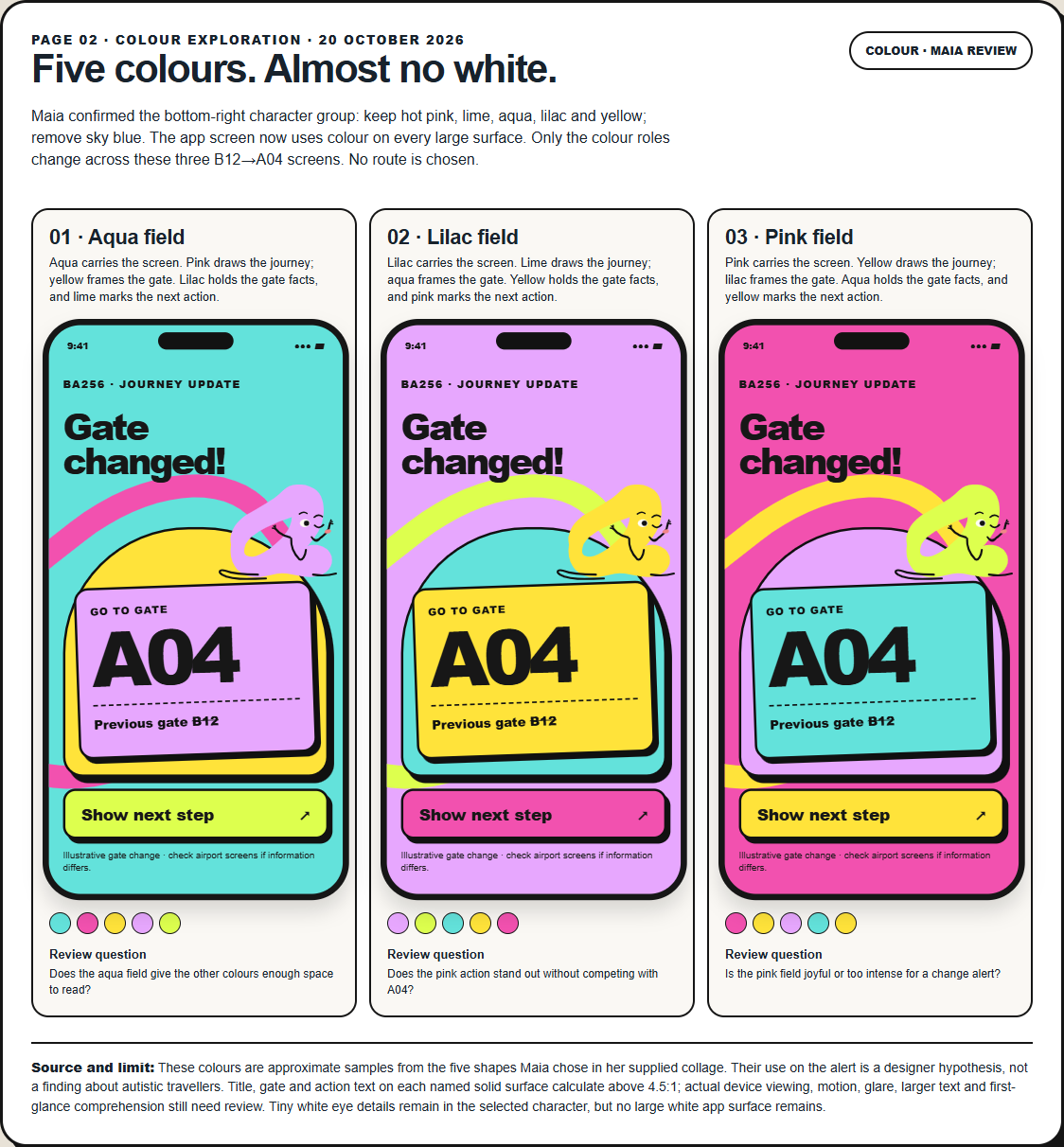
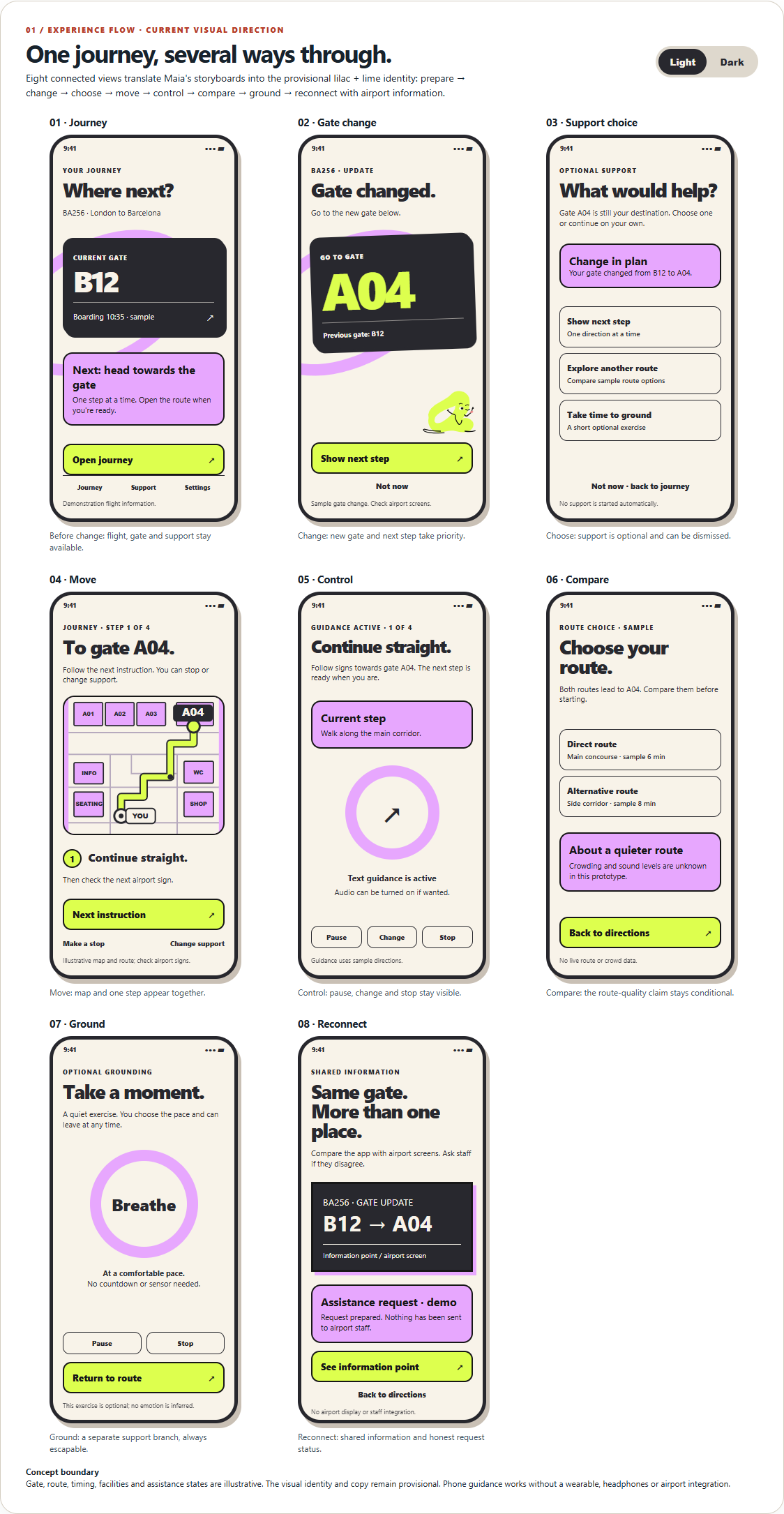
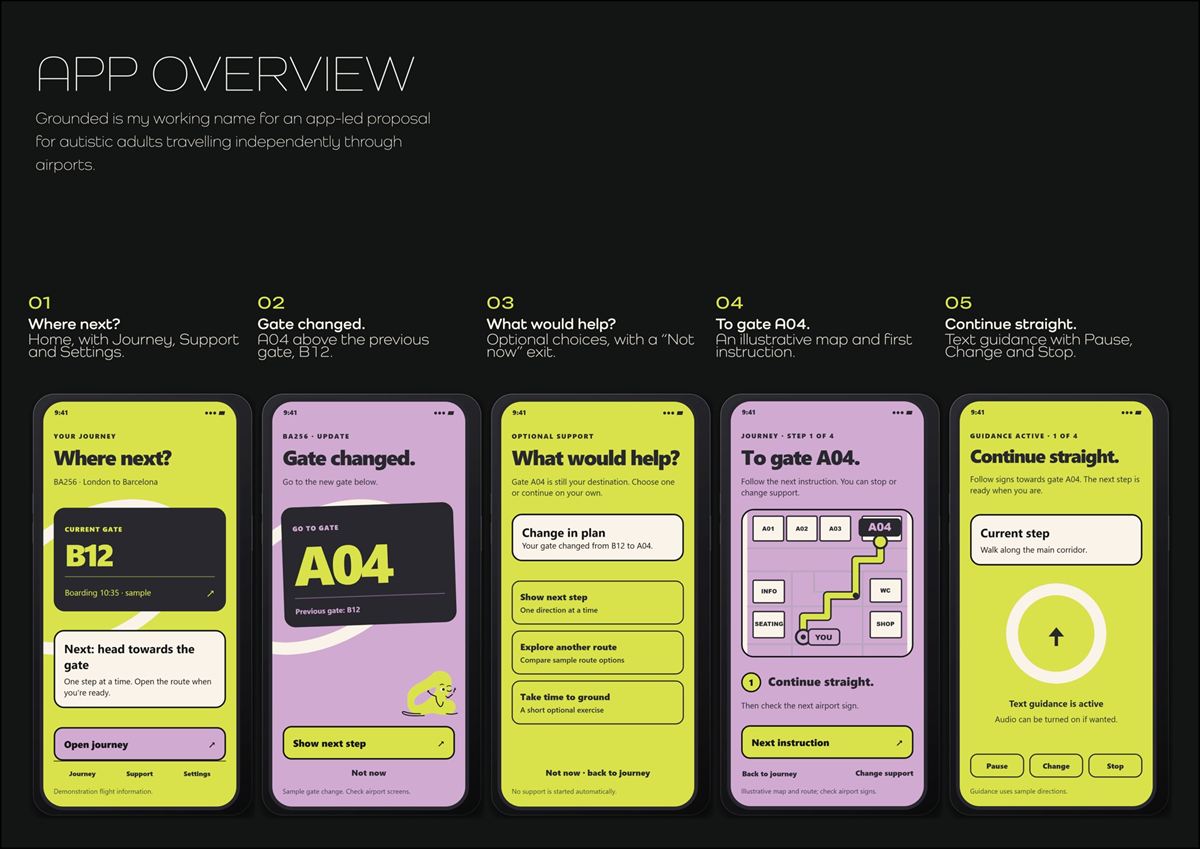
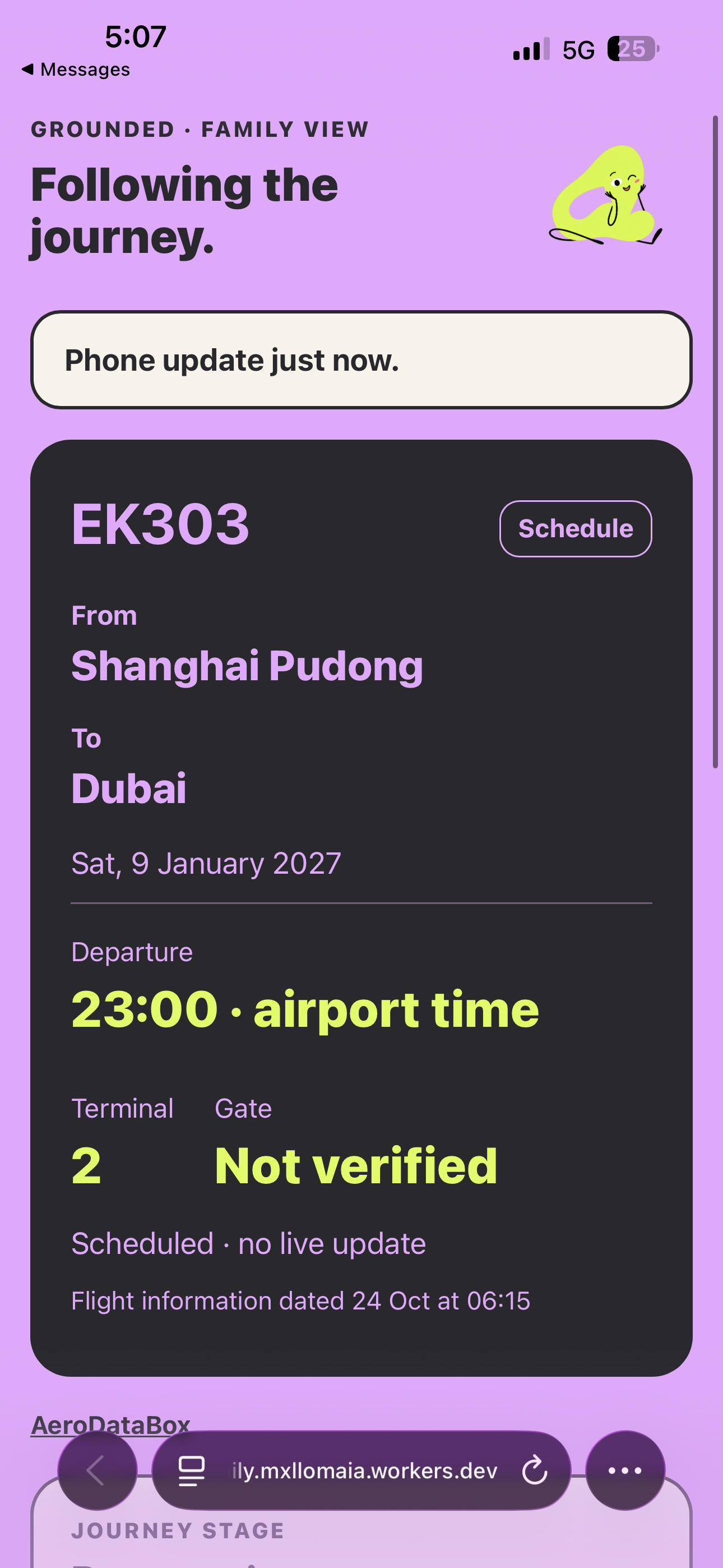
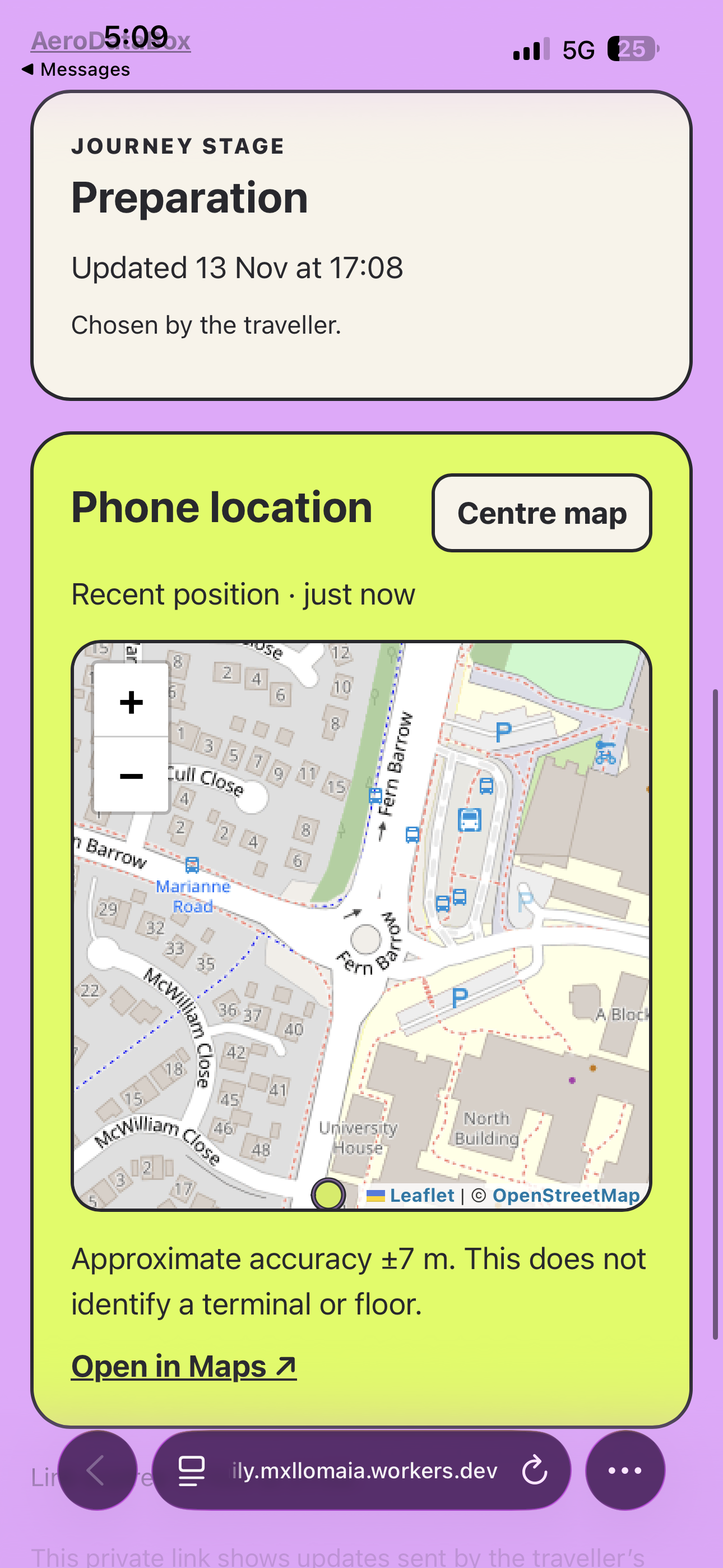
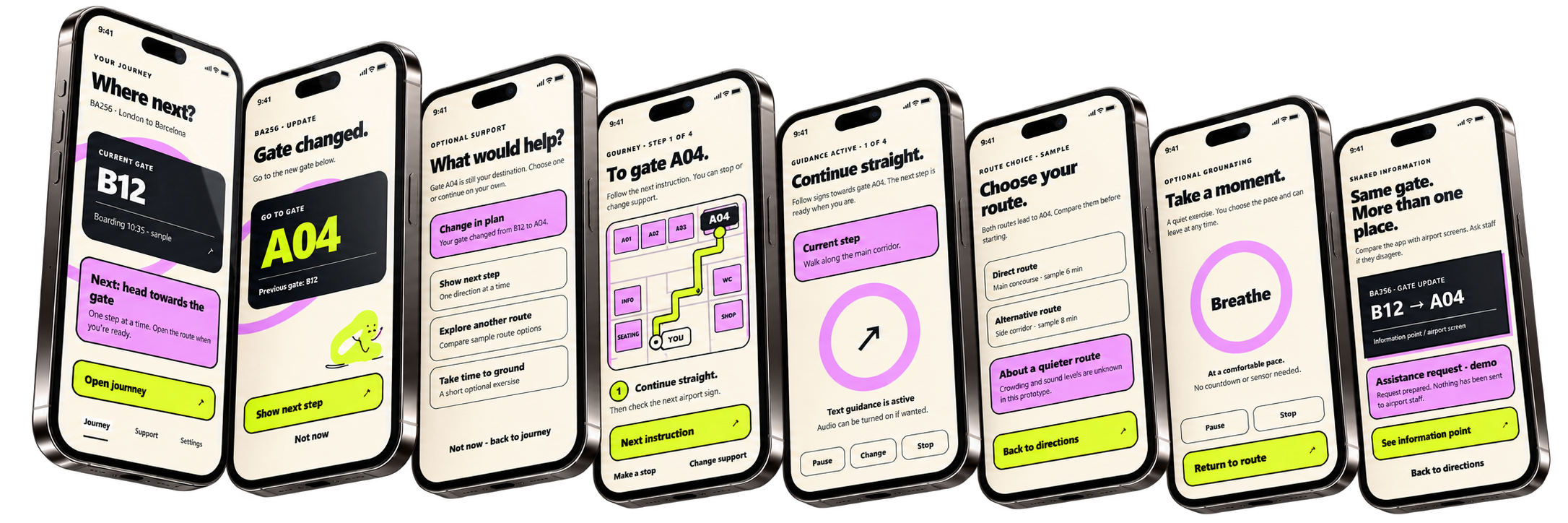
App prototype
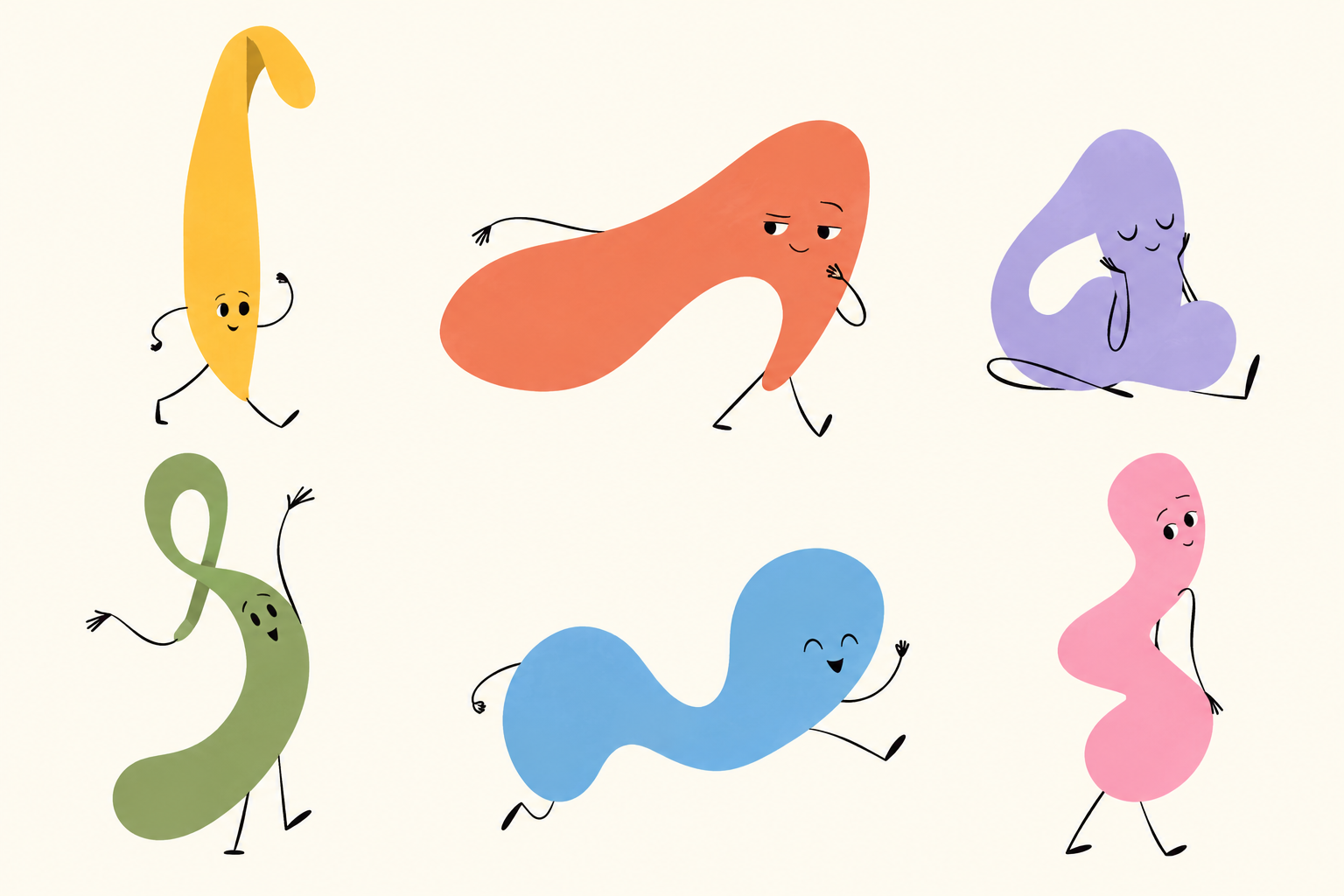
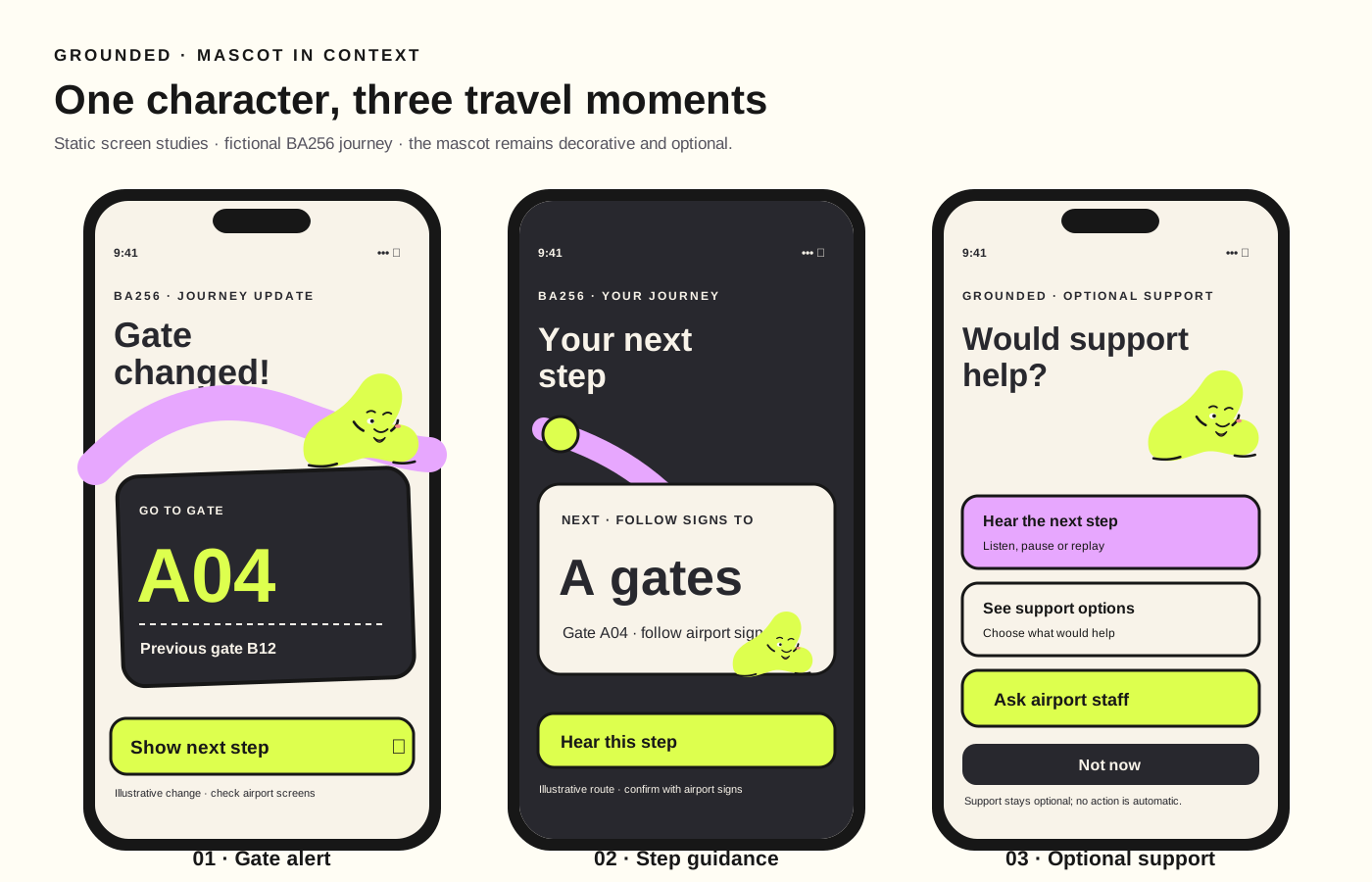
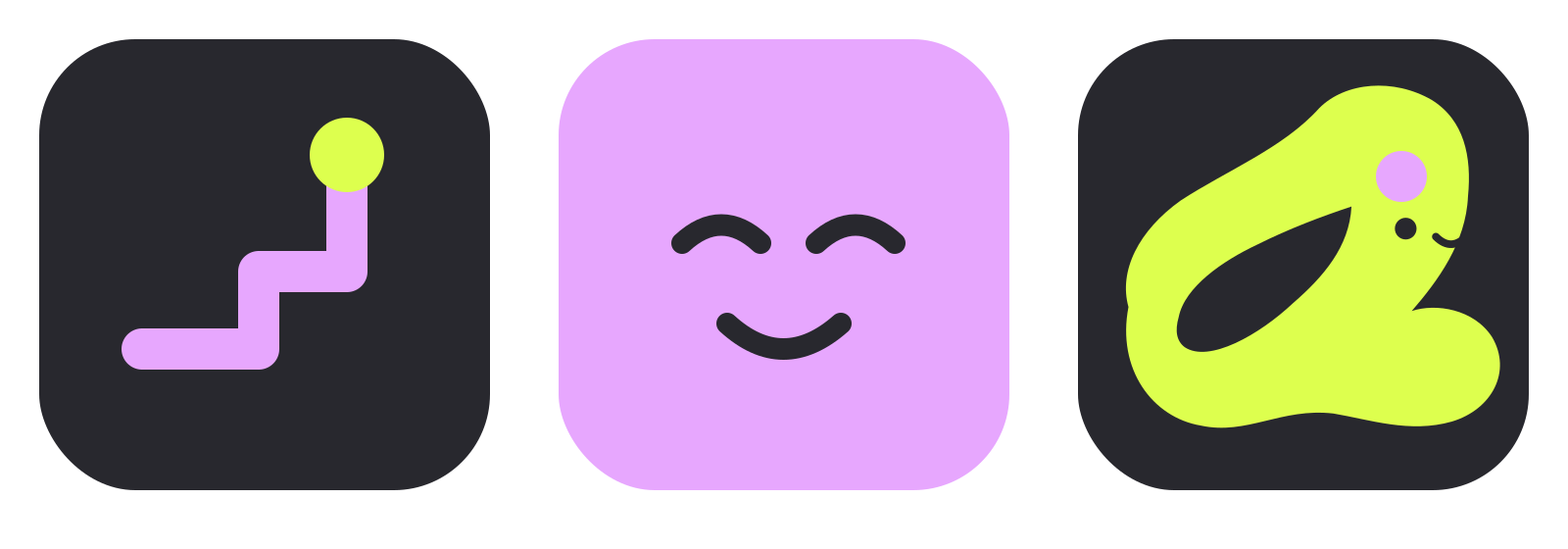
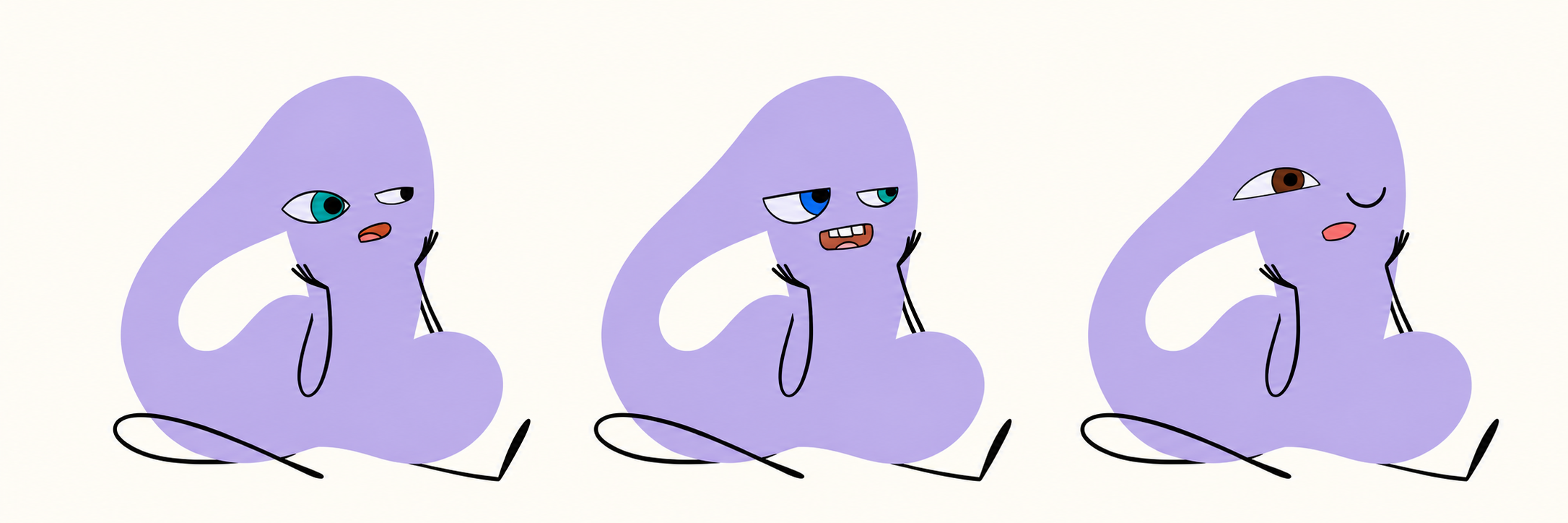
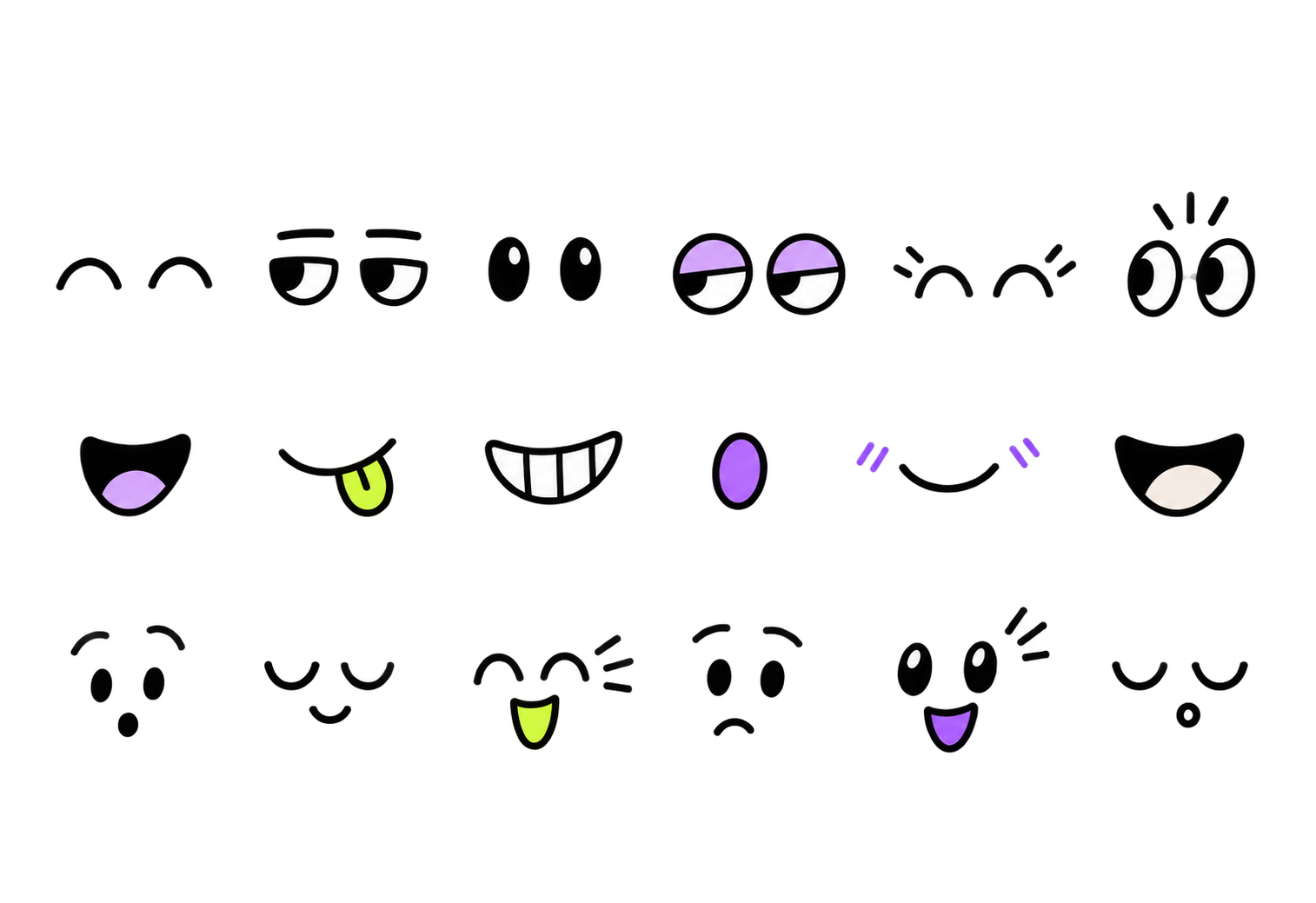
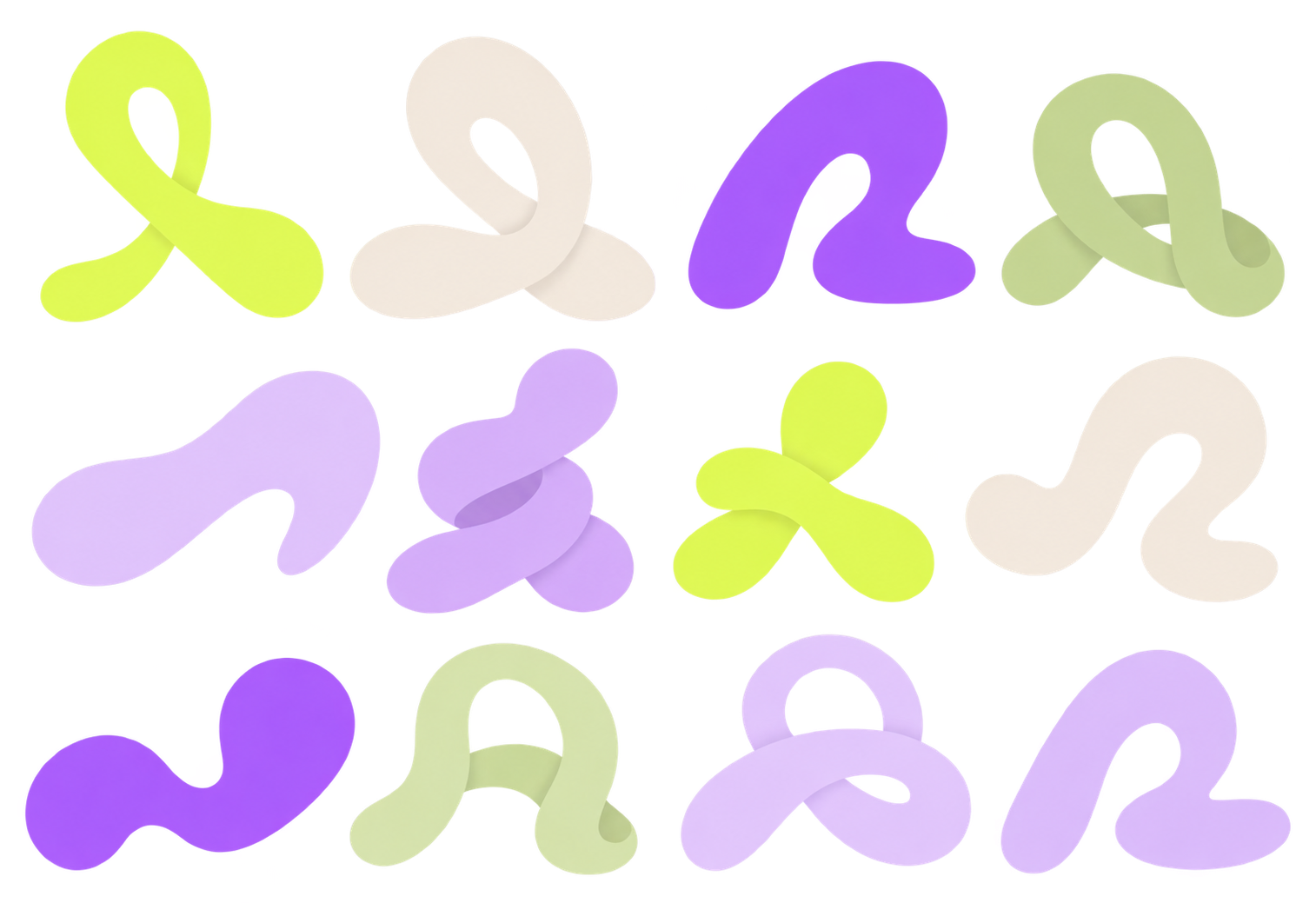
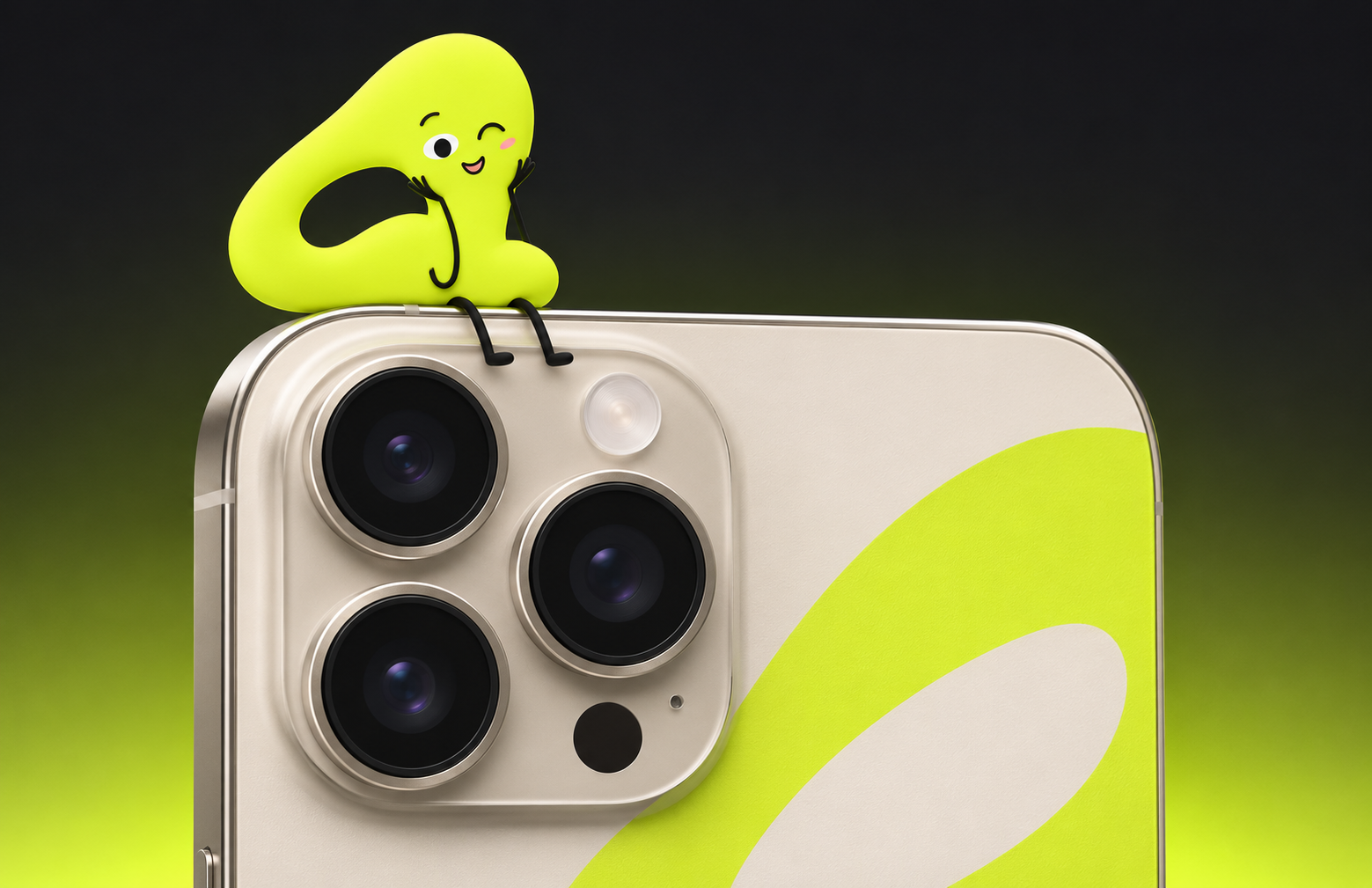
Identity and character
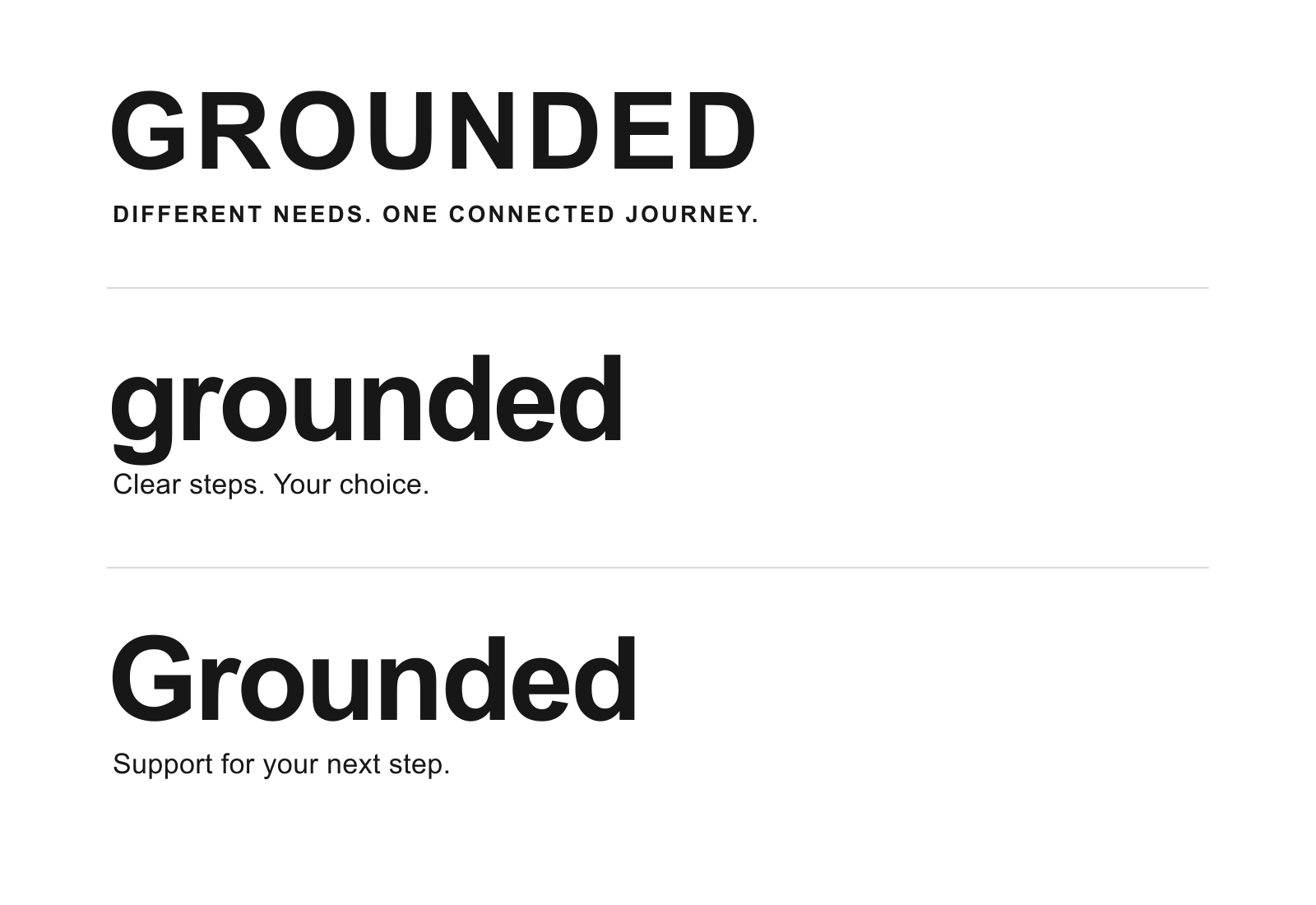
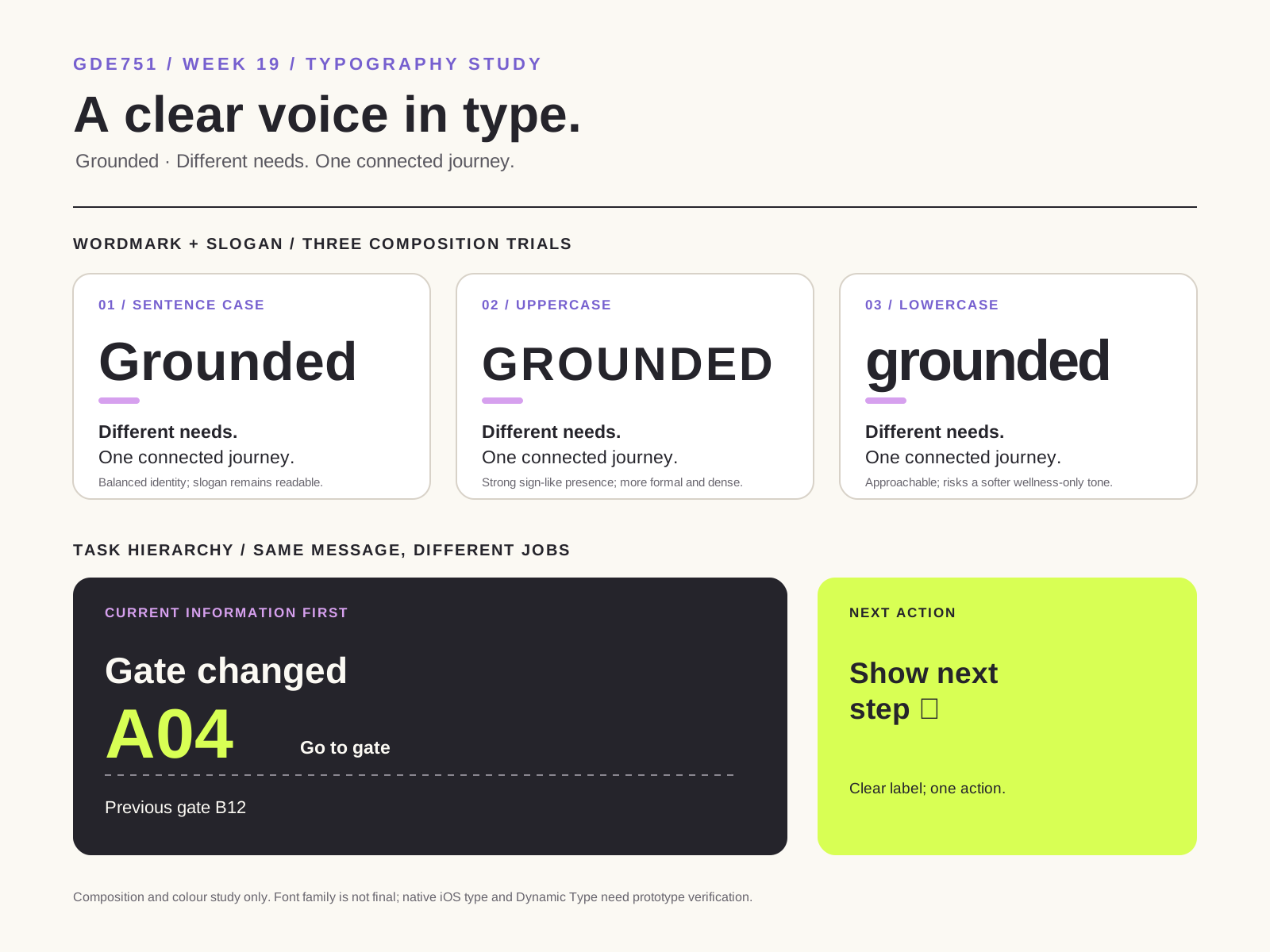

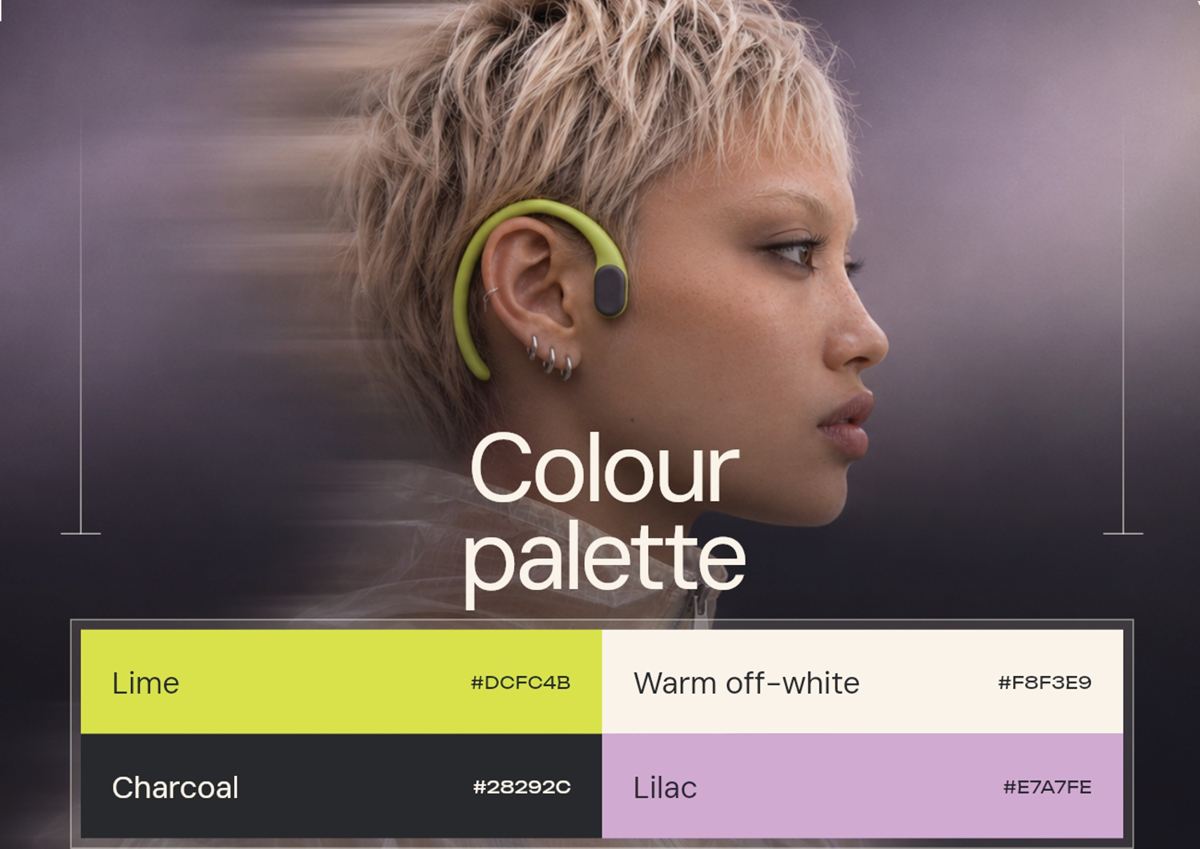
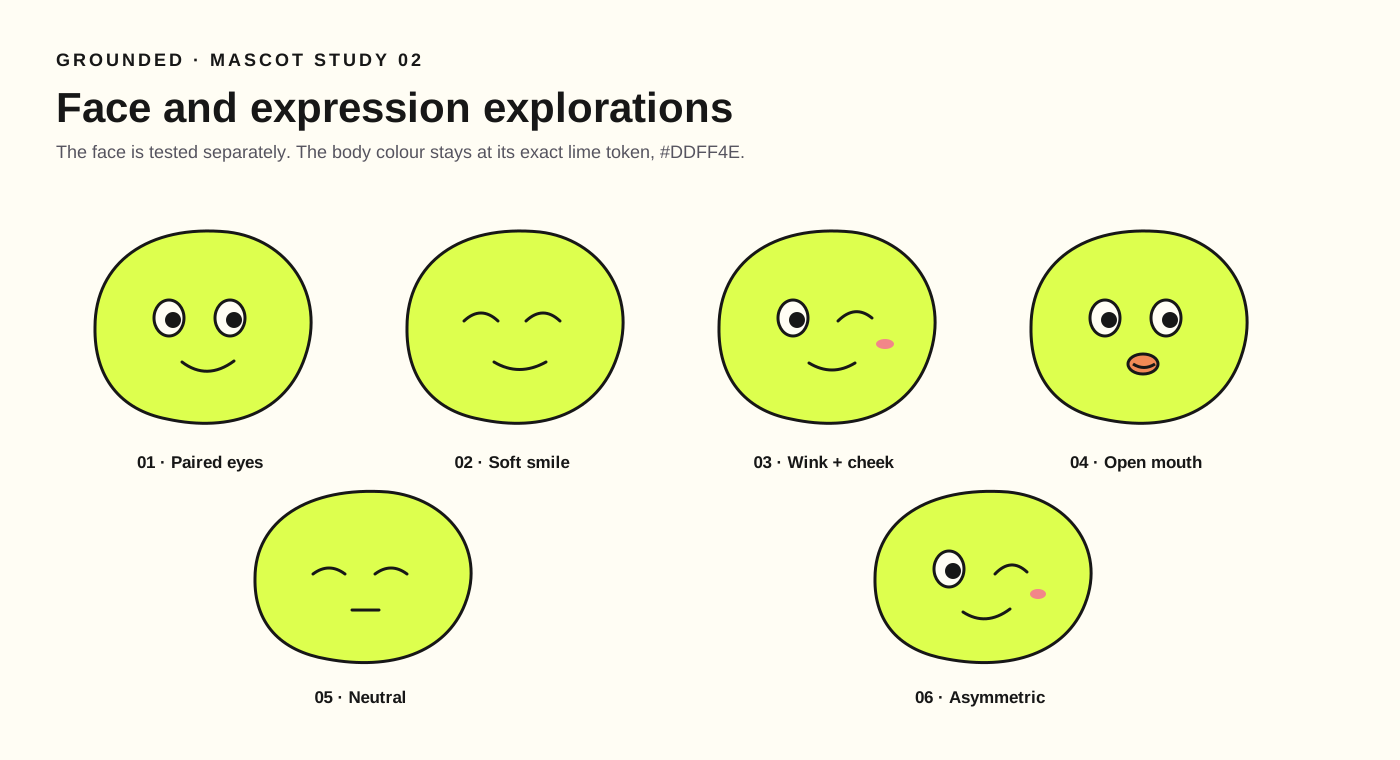


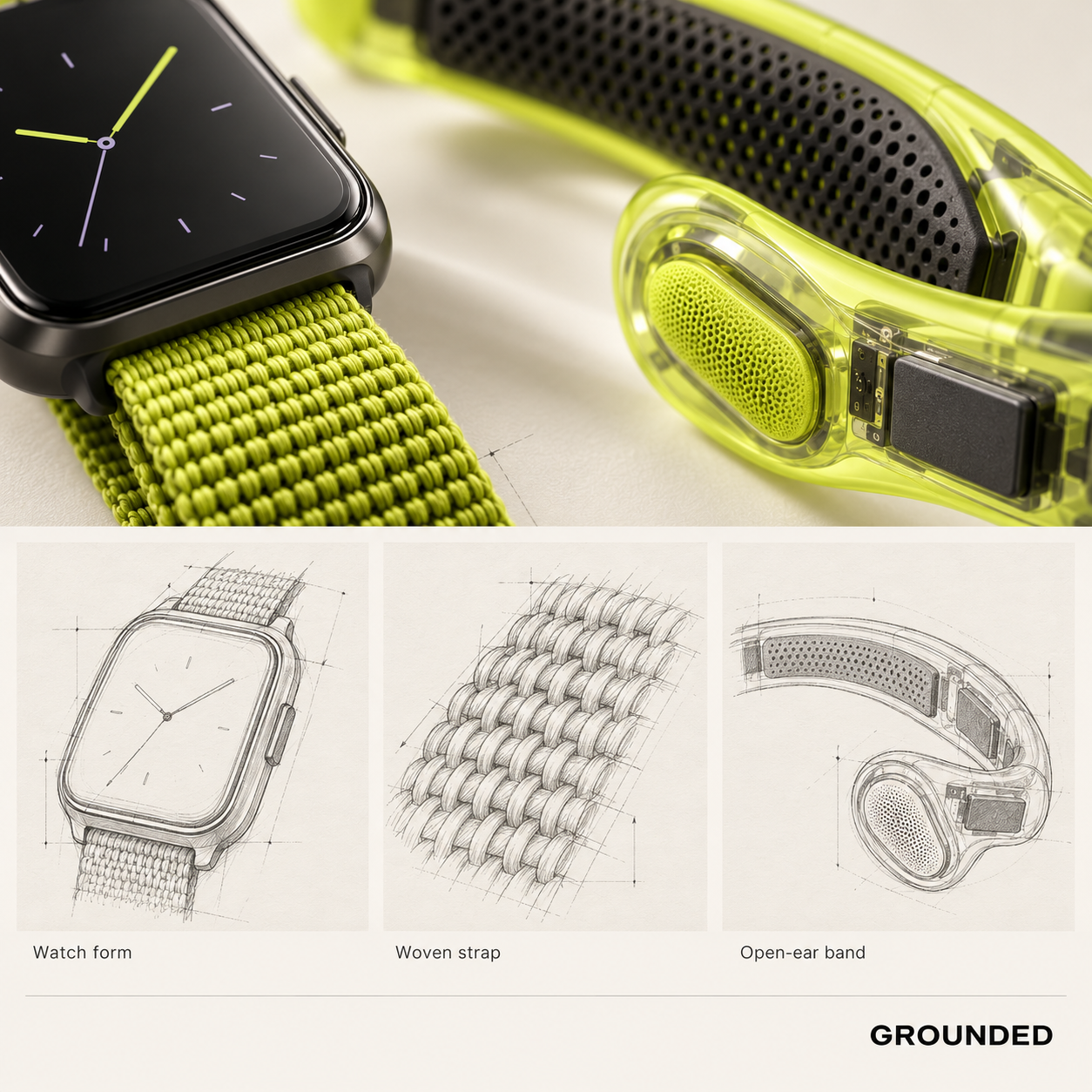
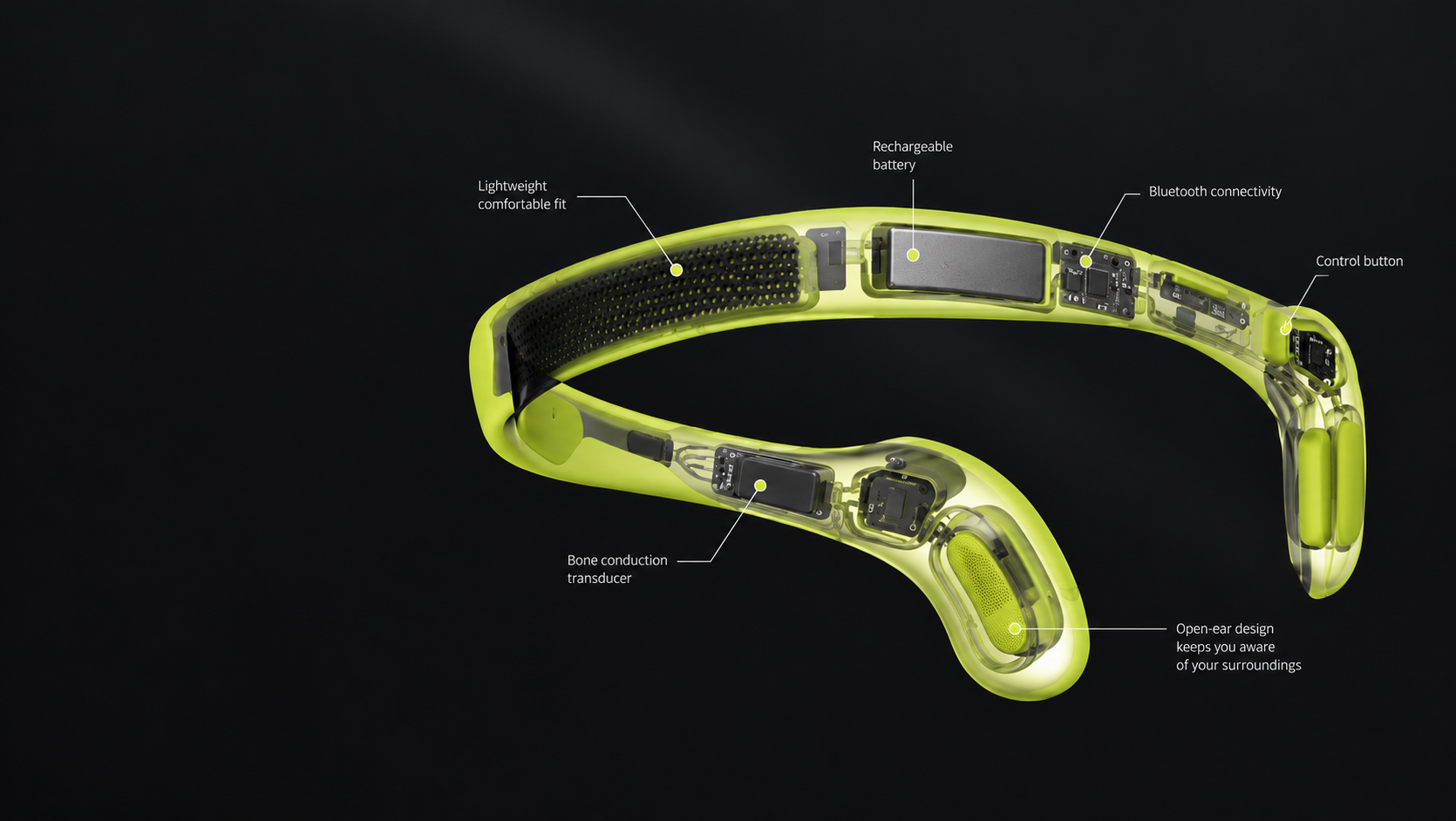
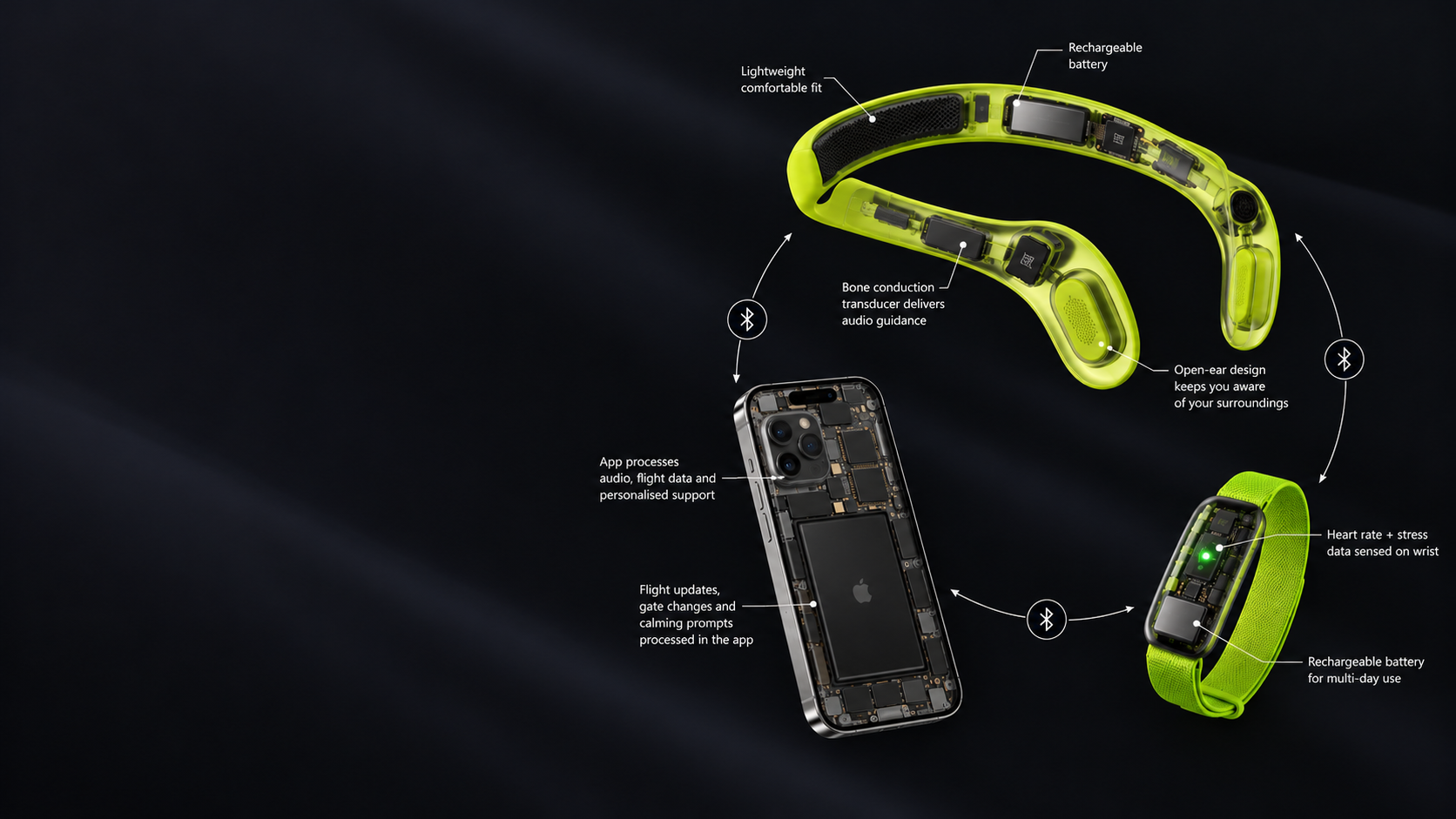
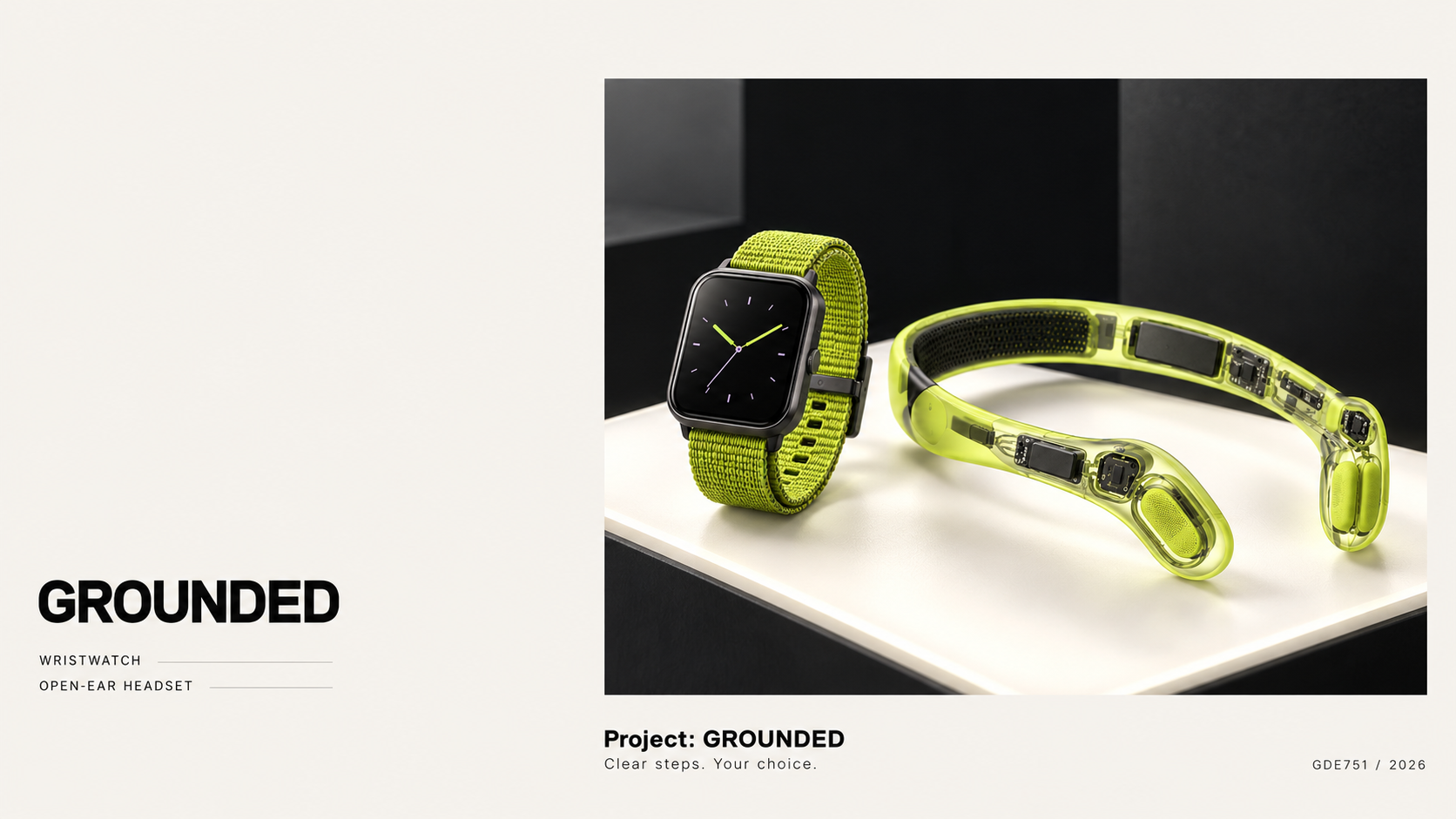
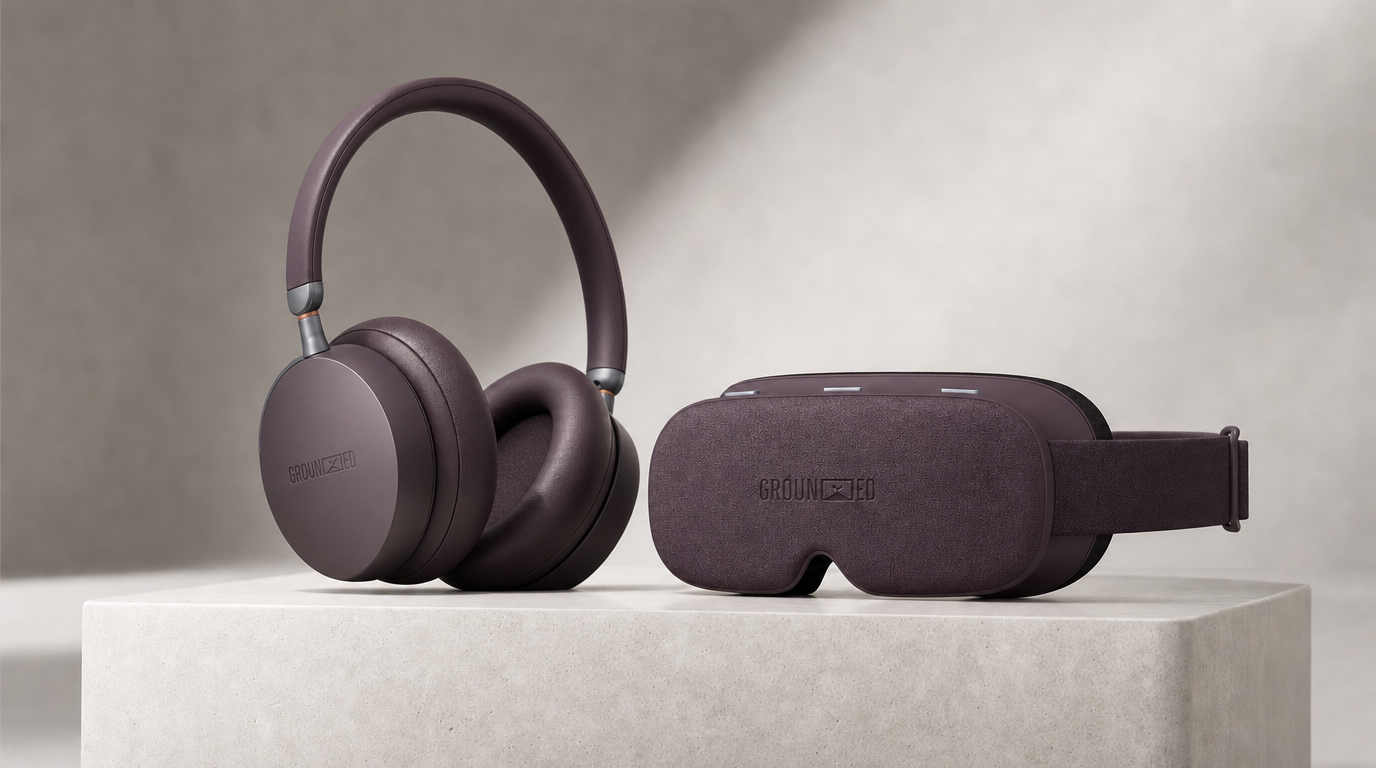
Wearables
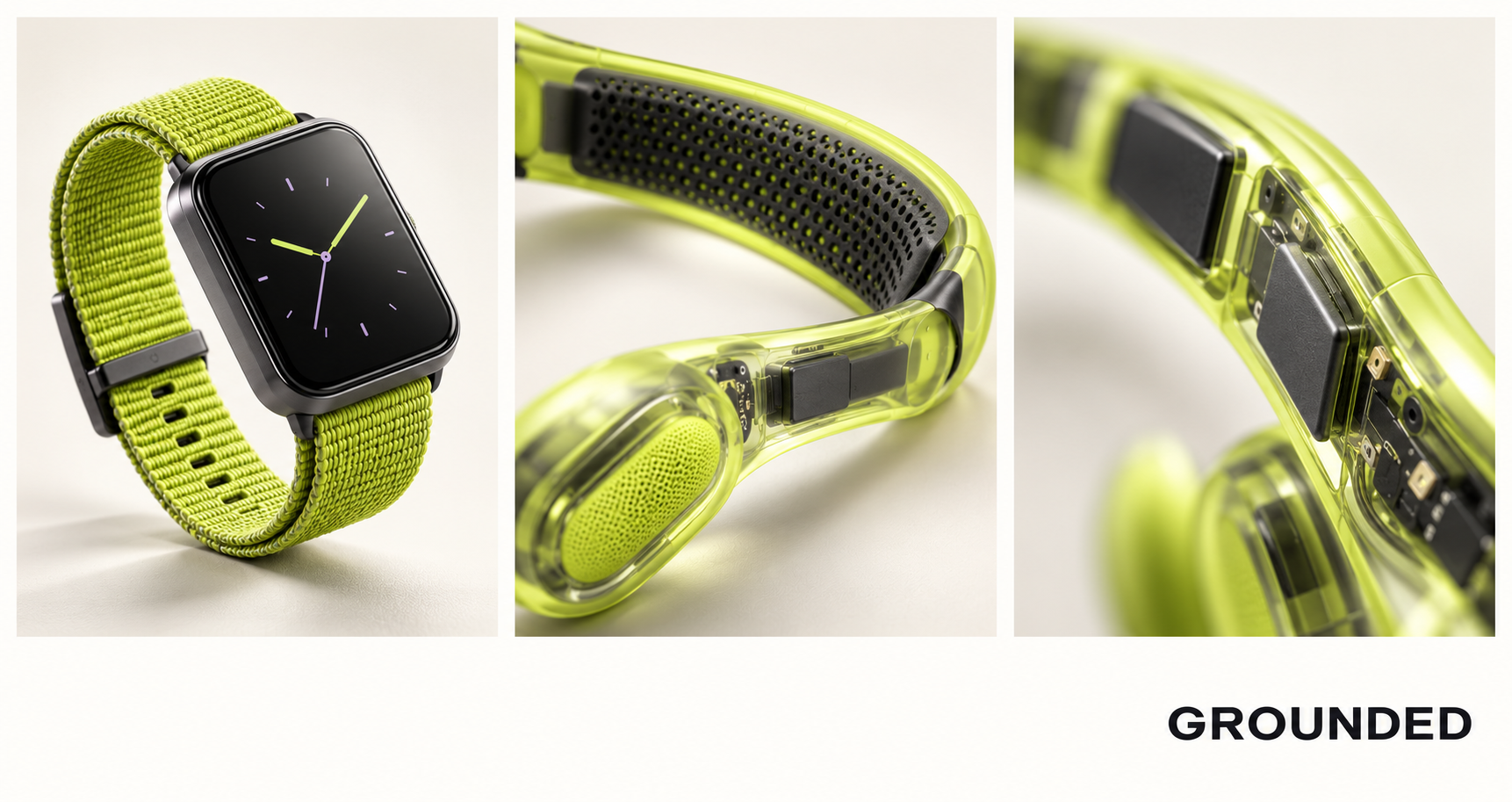
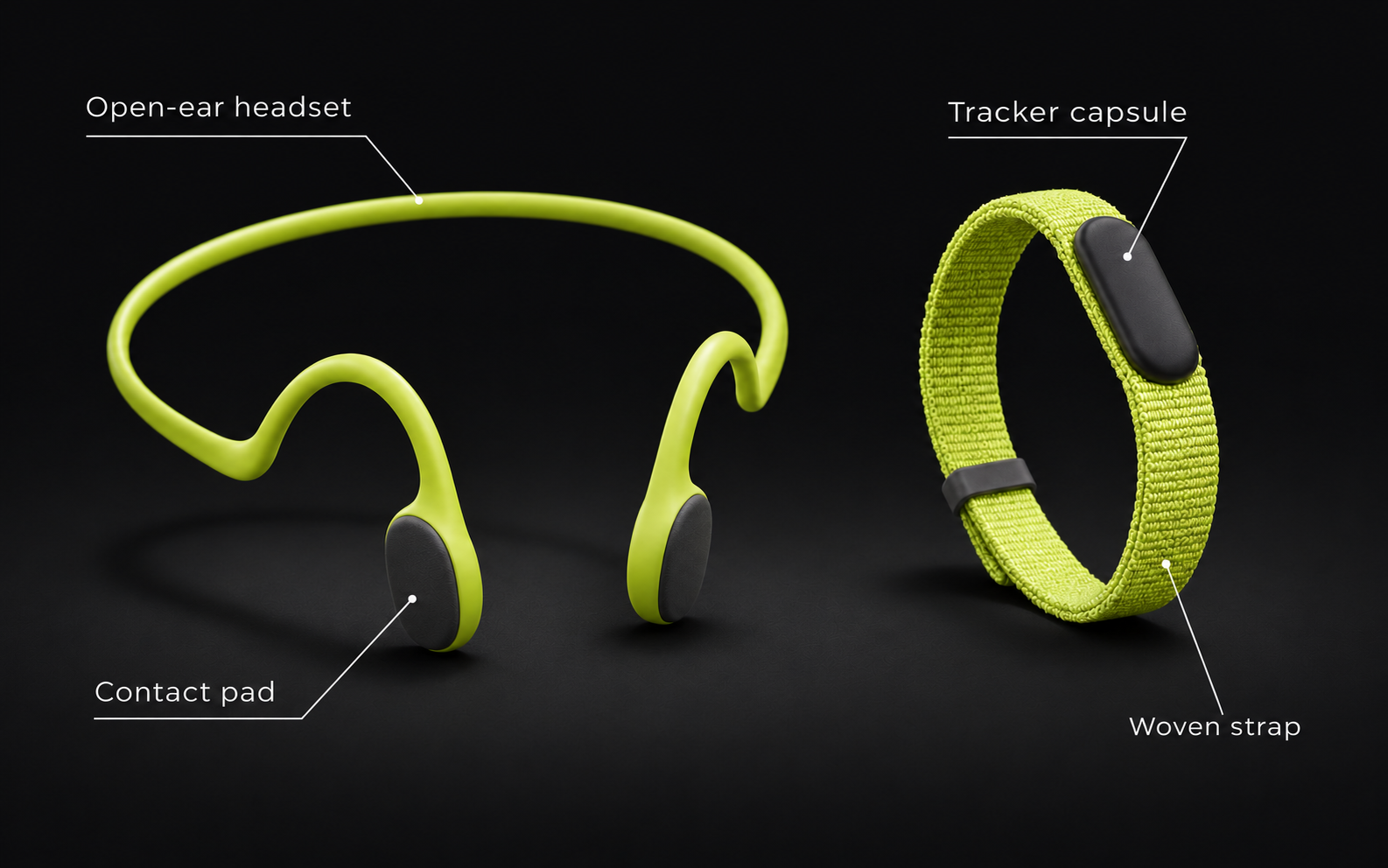
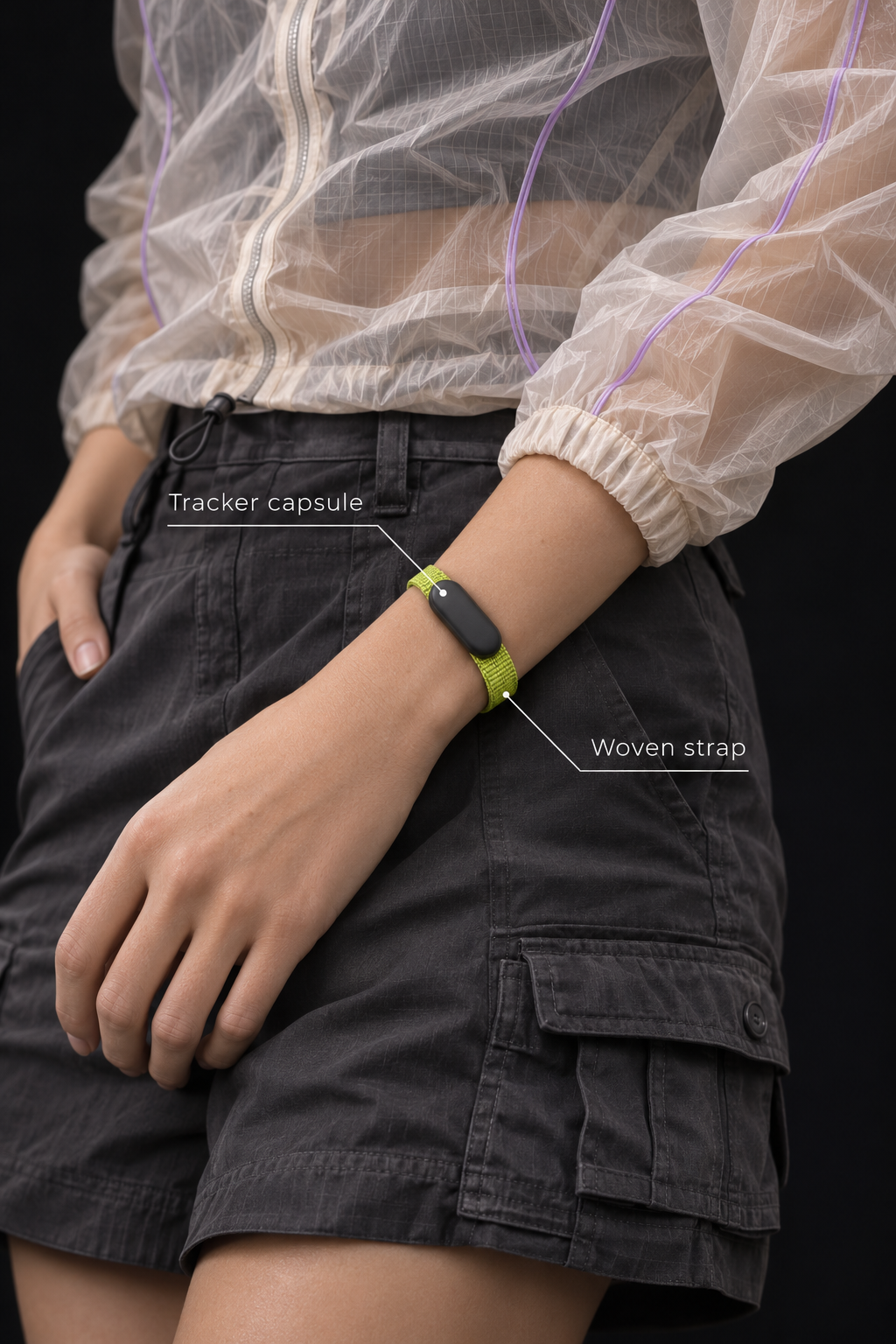
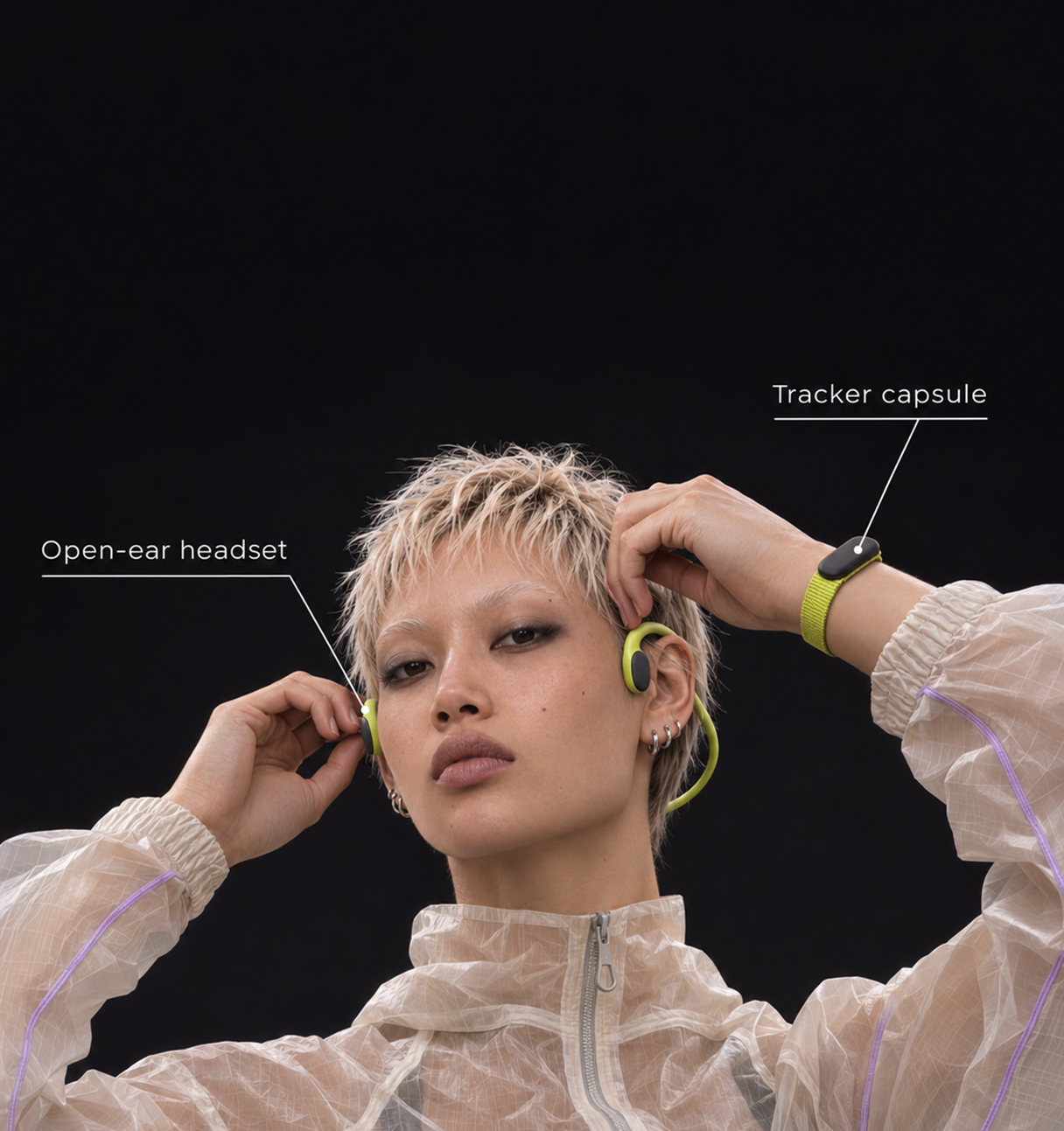
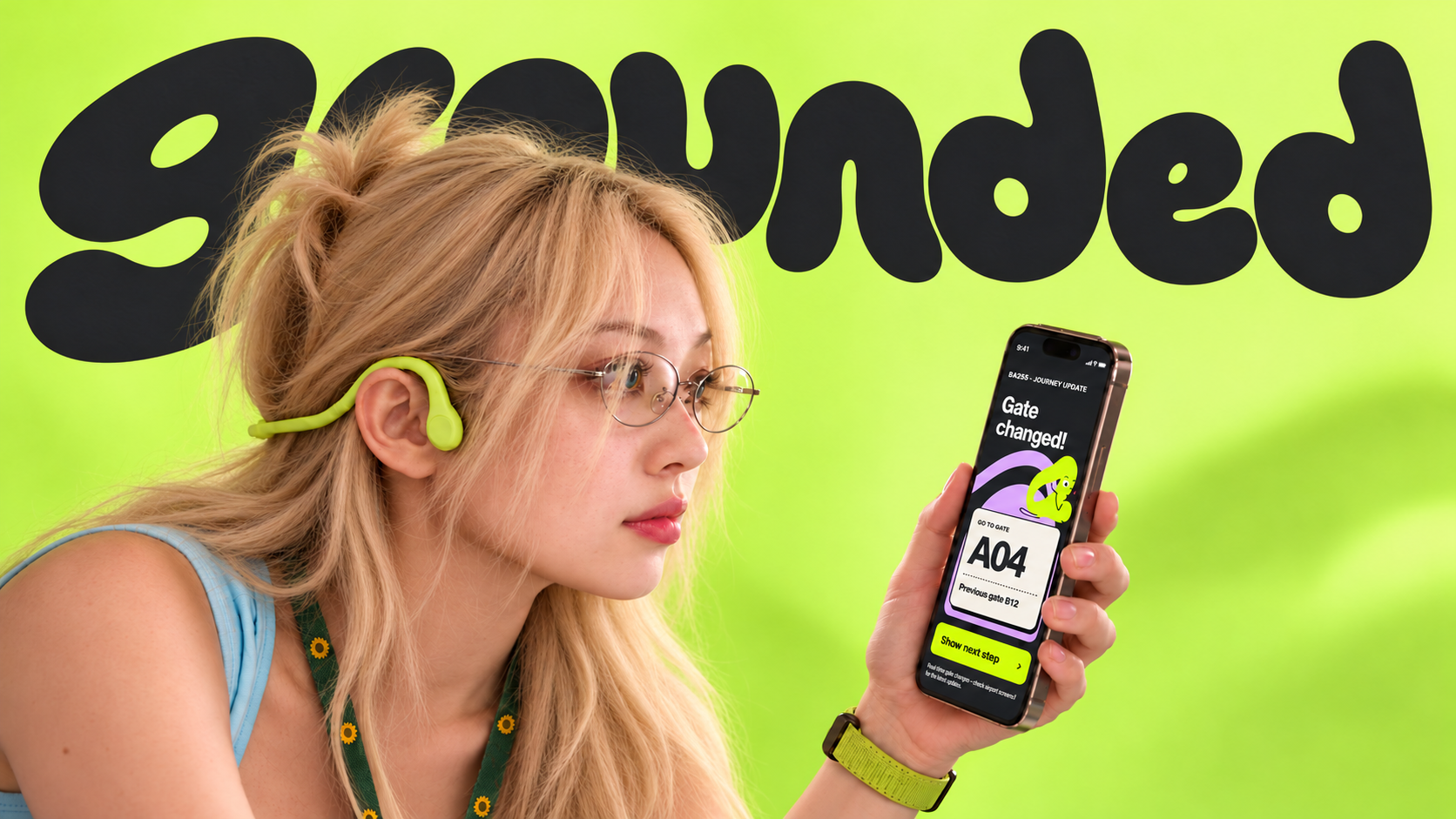
Campaign and publication
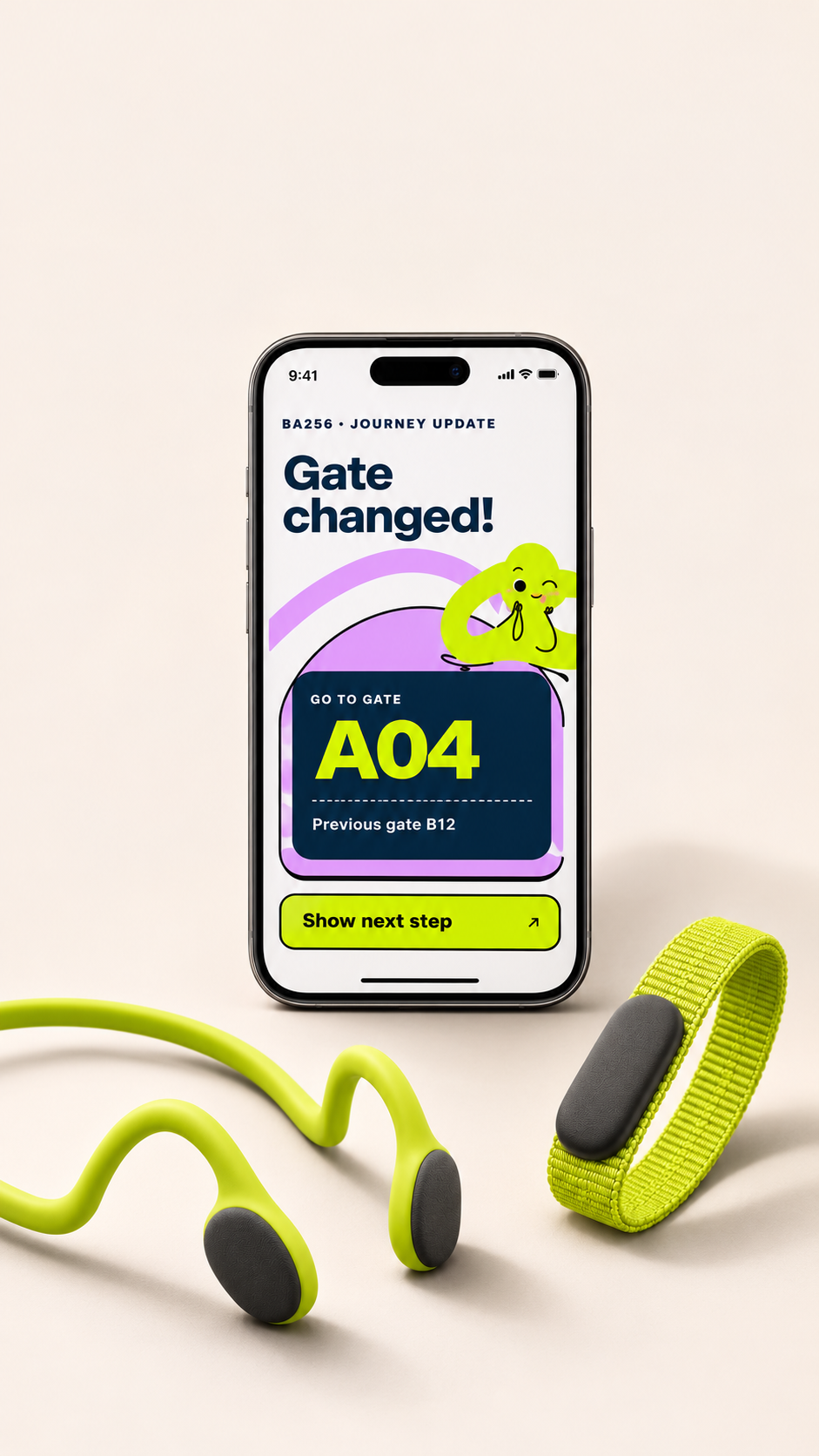
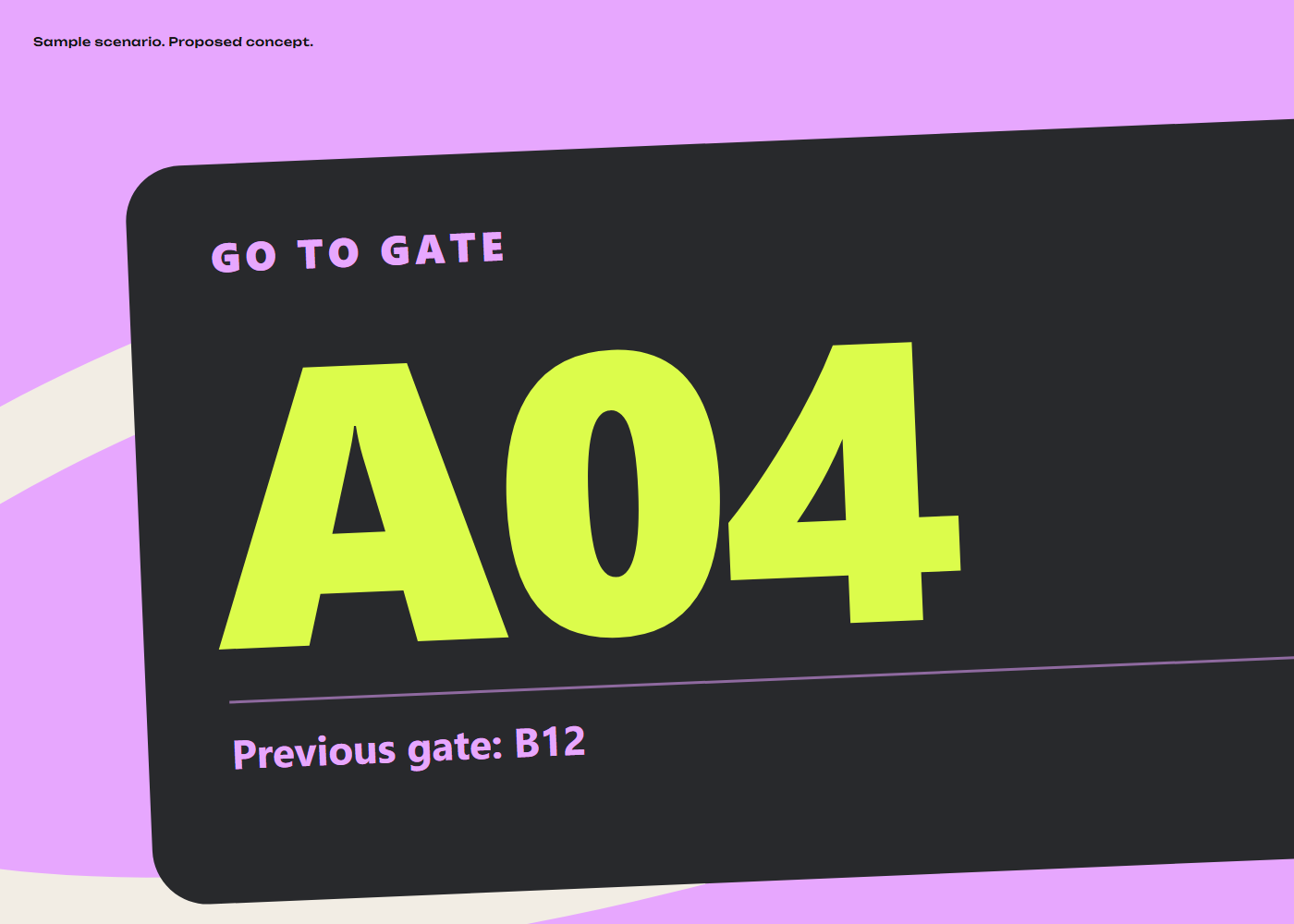

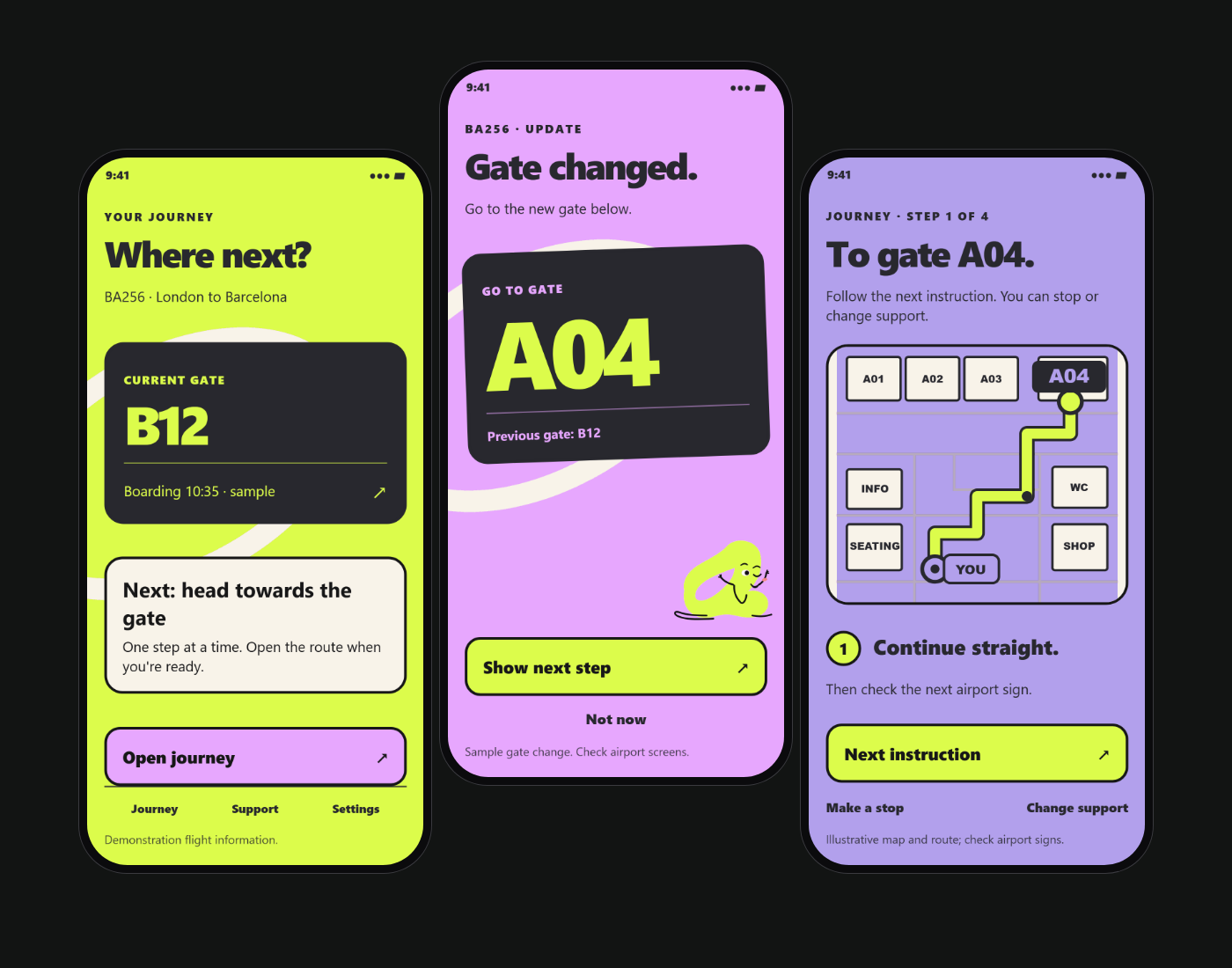
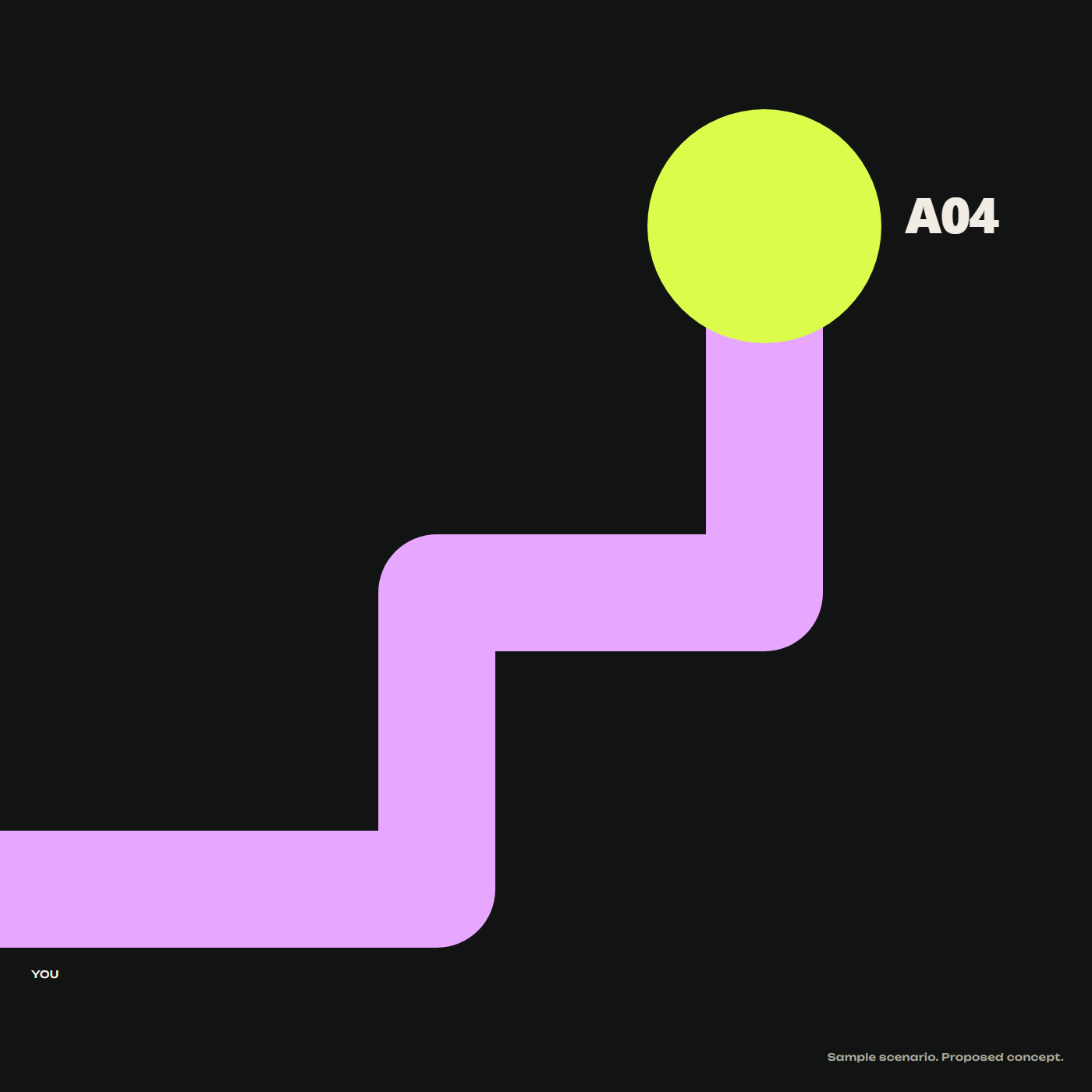
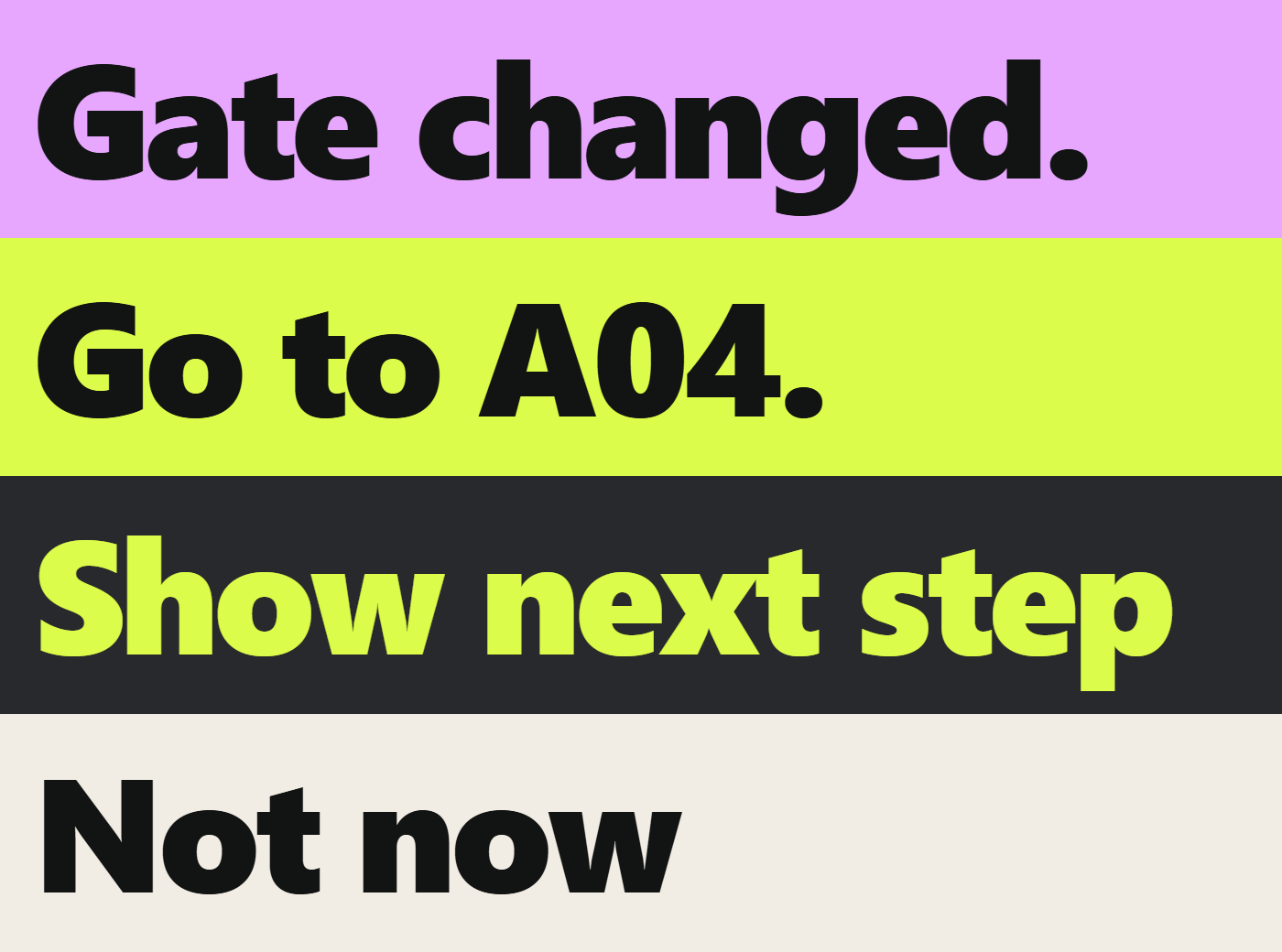



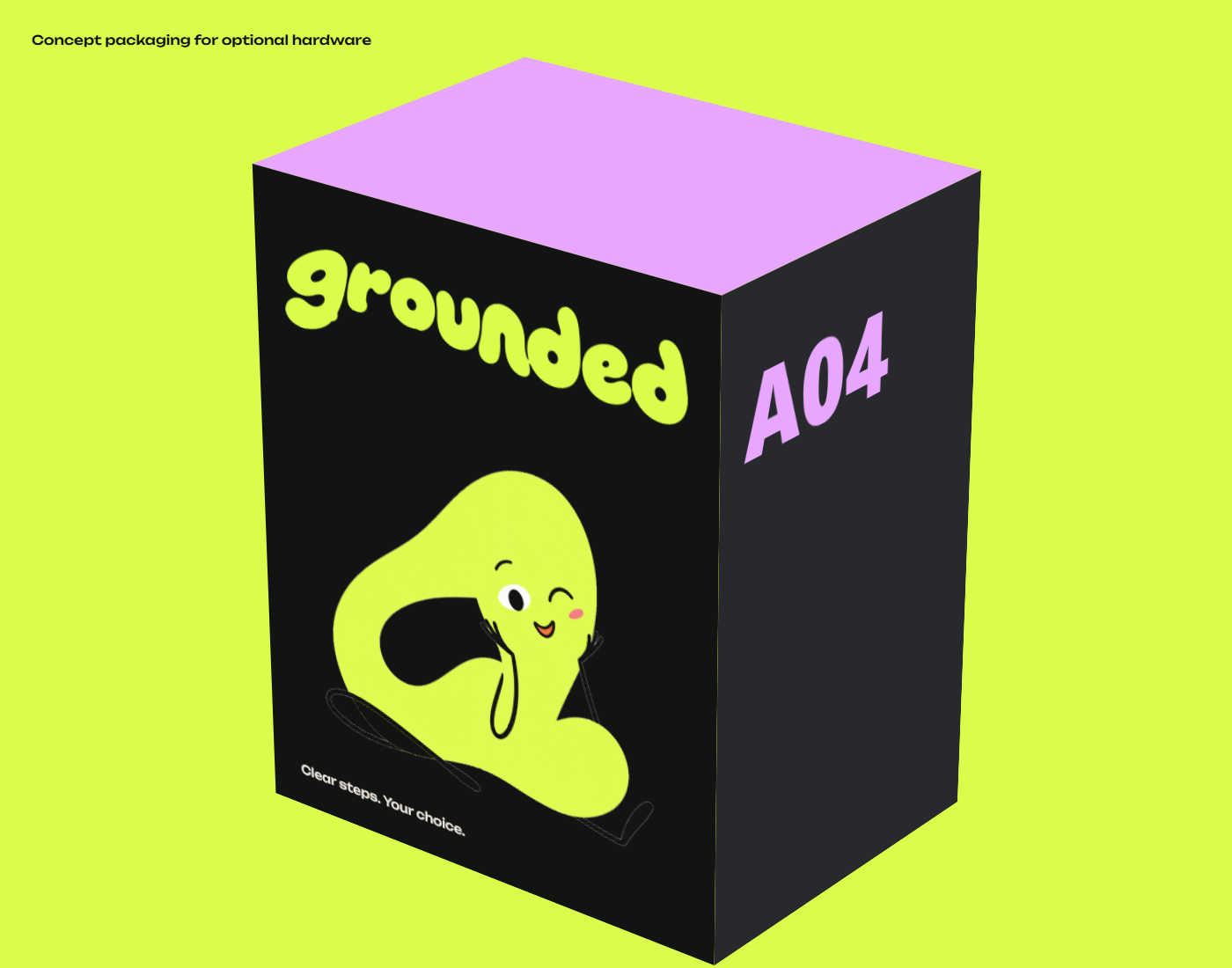
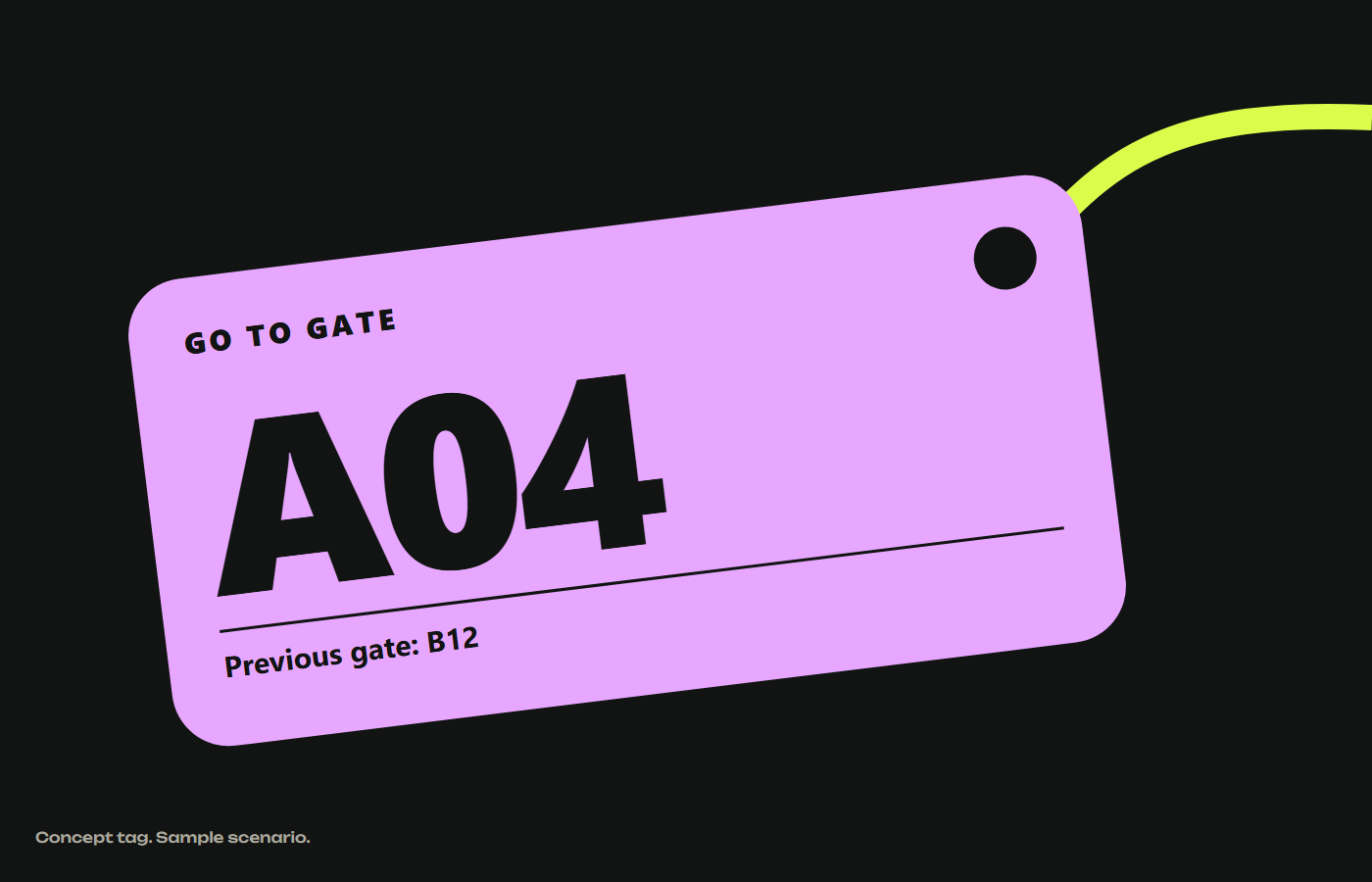
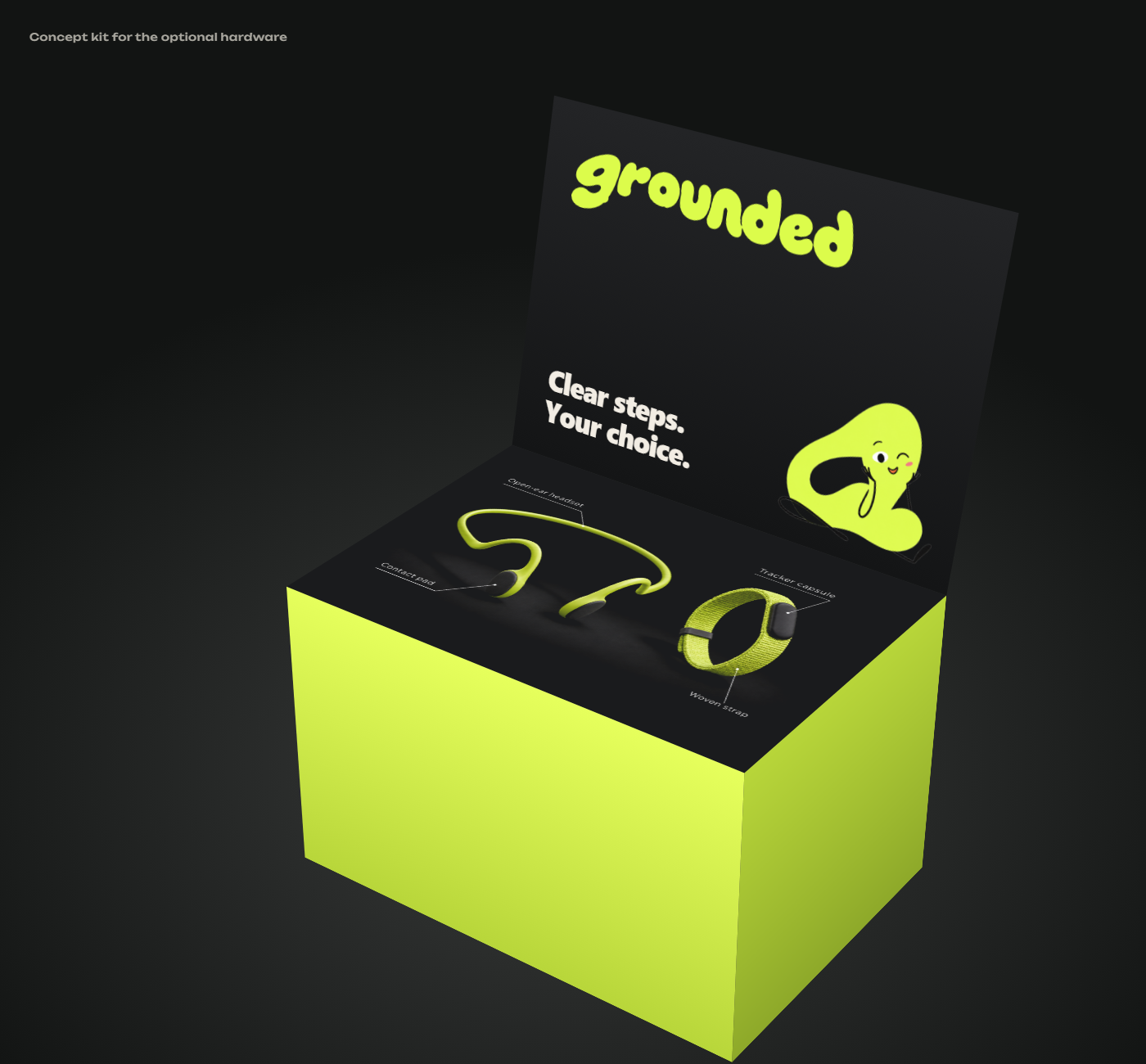
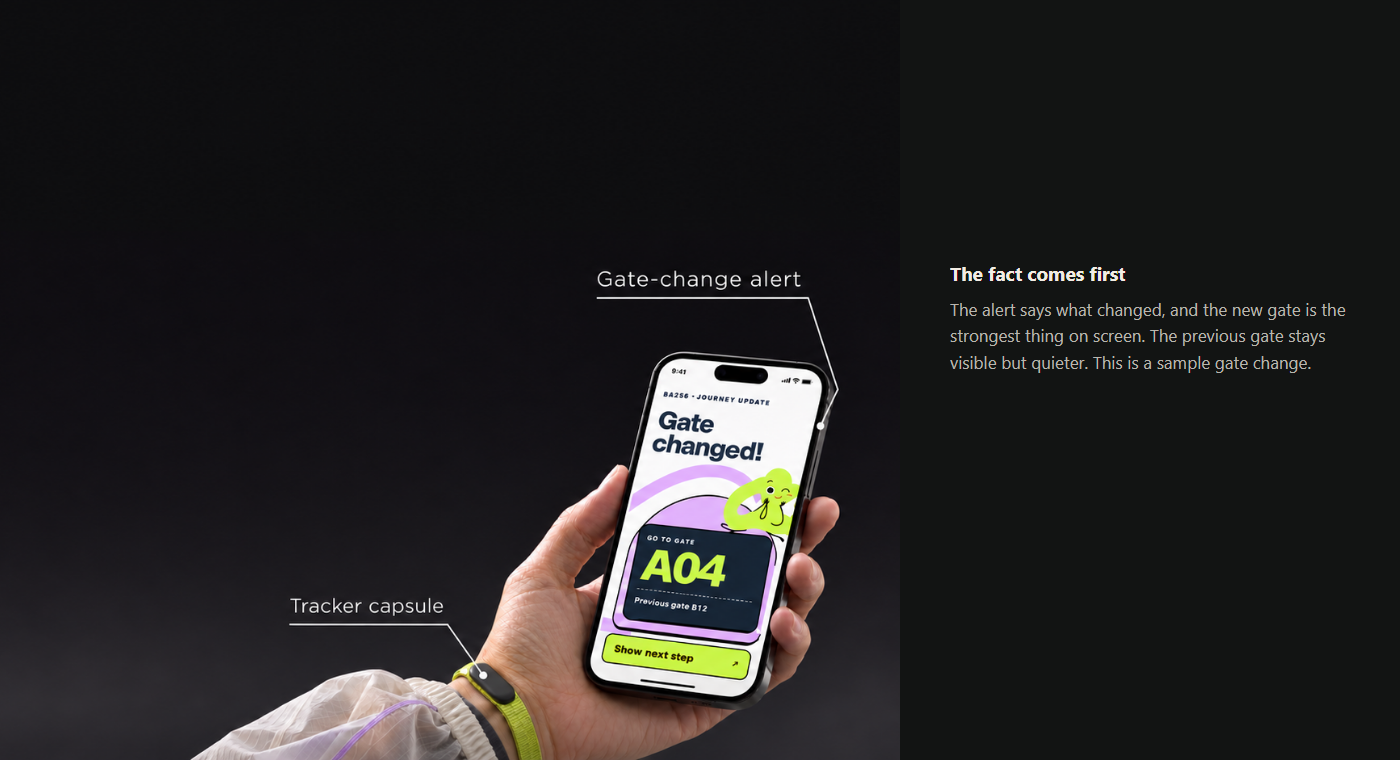

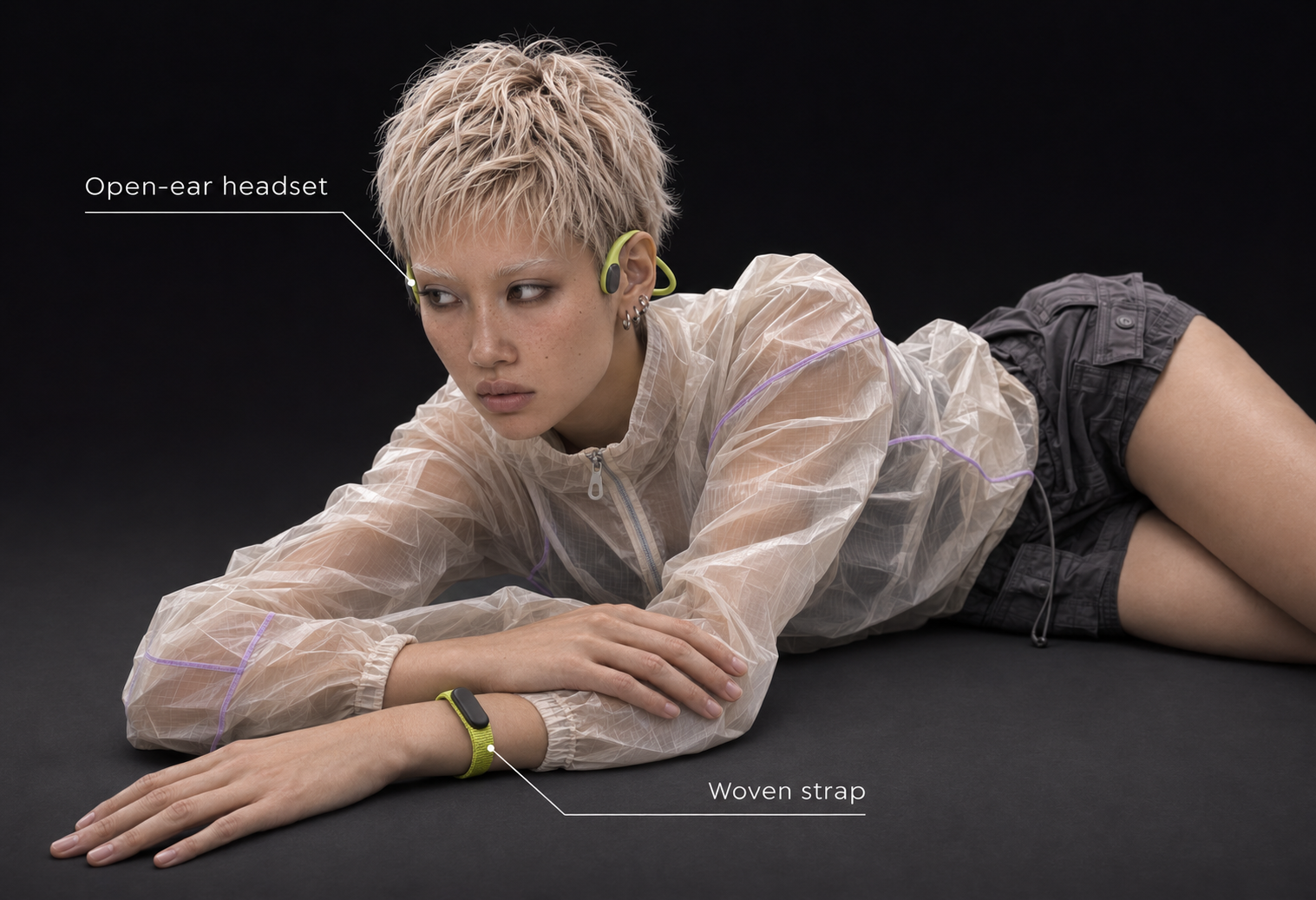
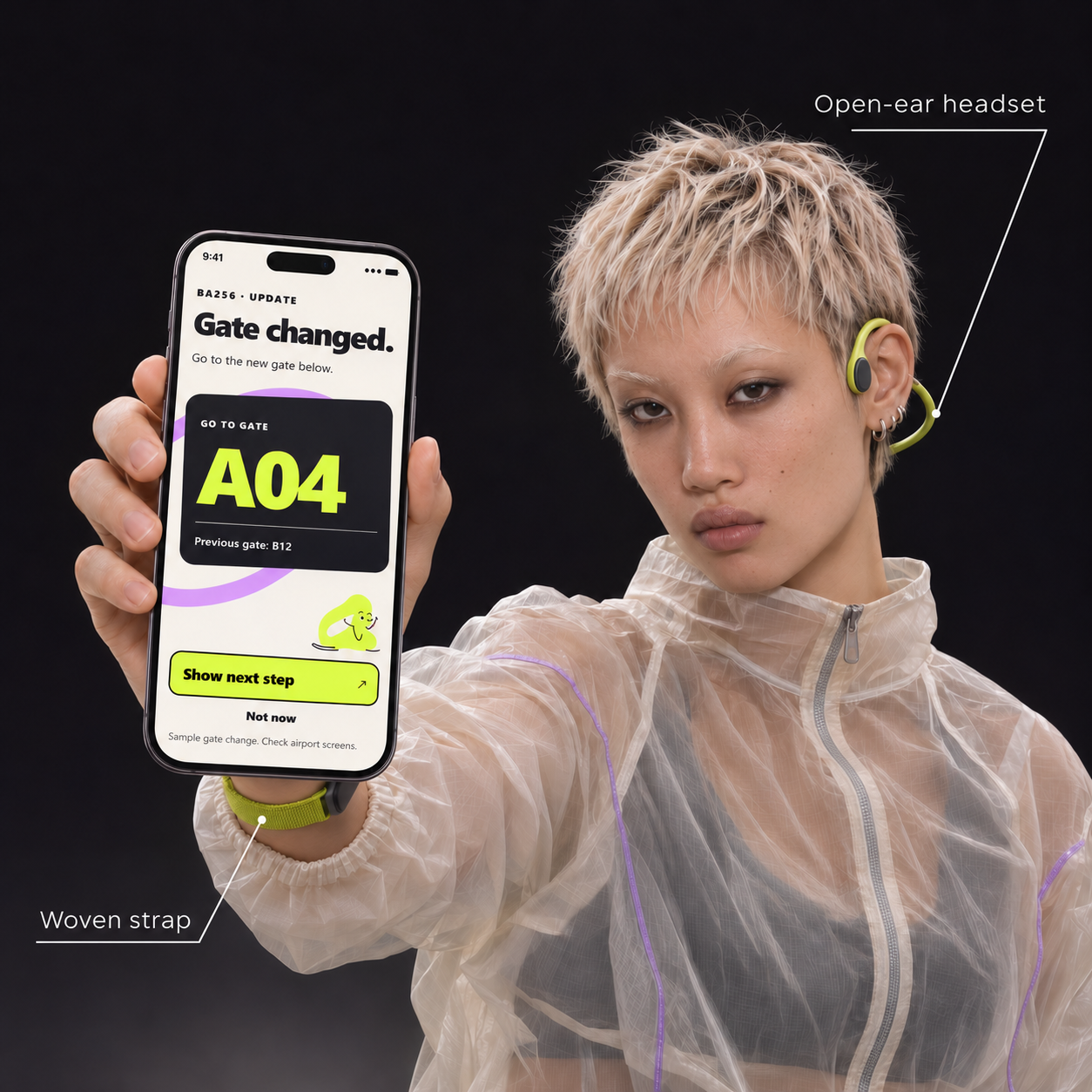


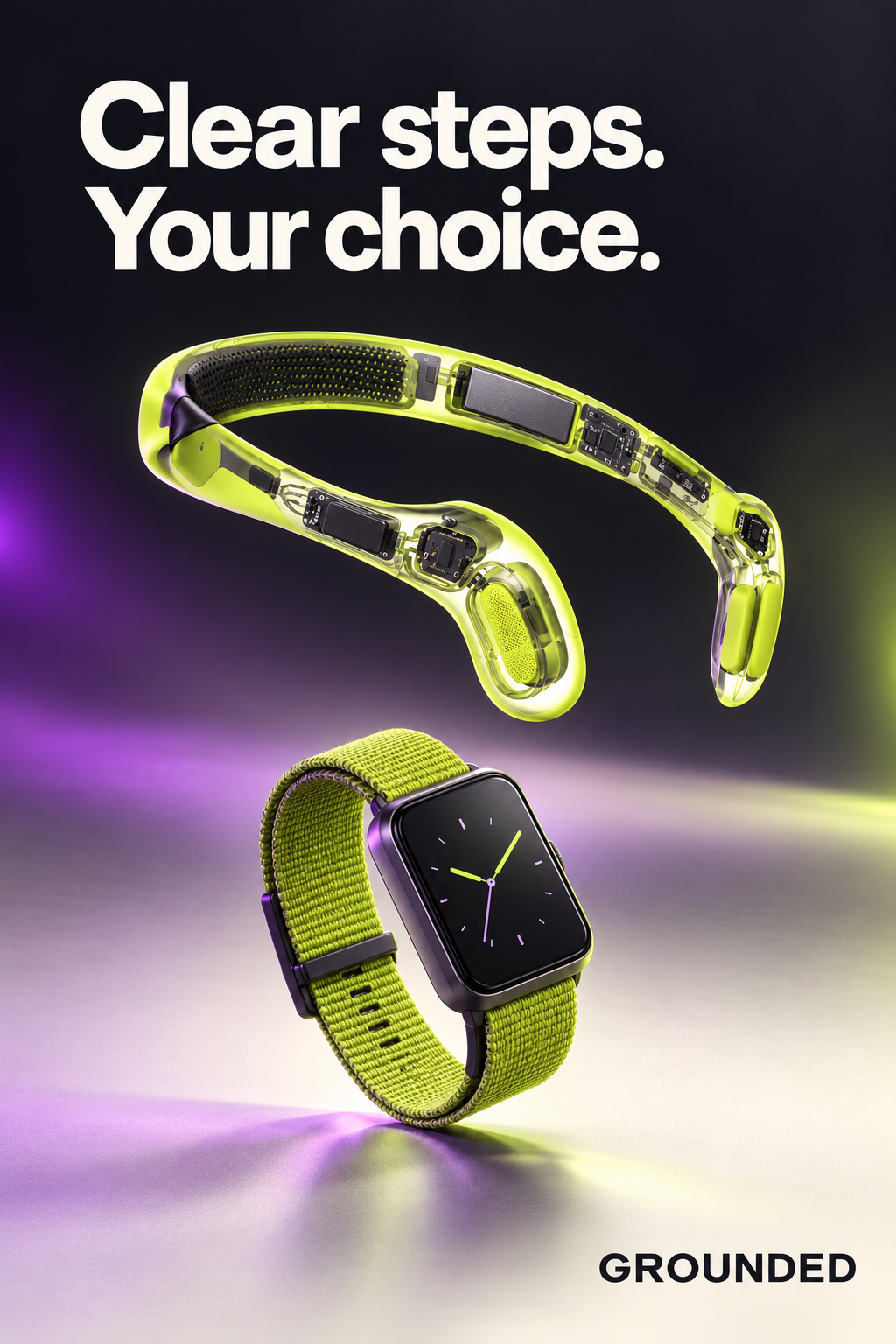


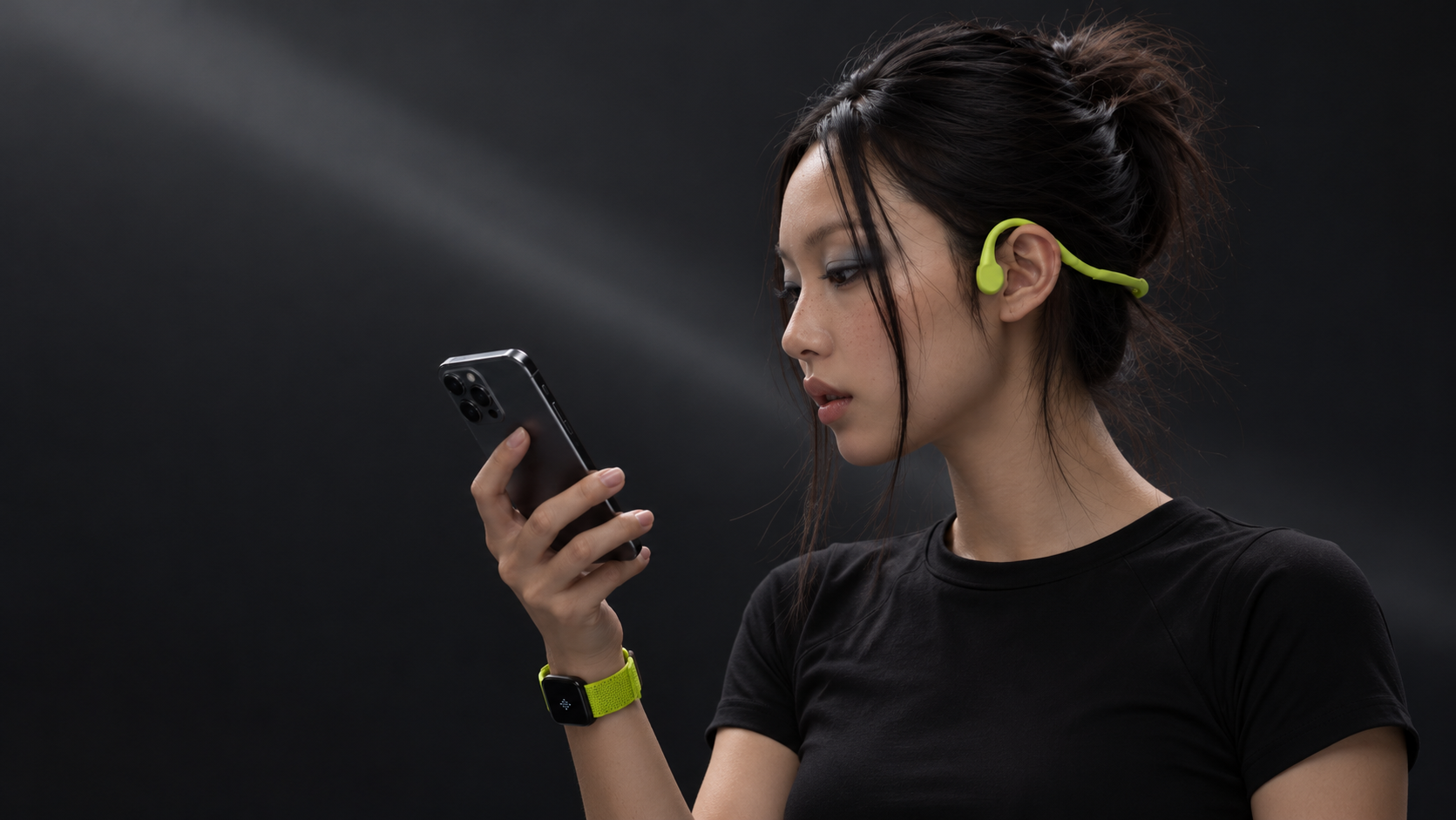

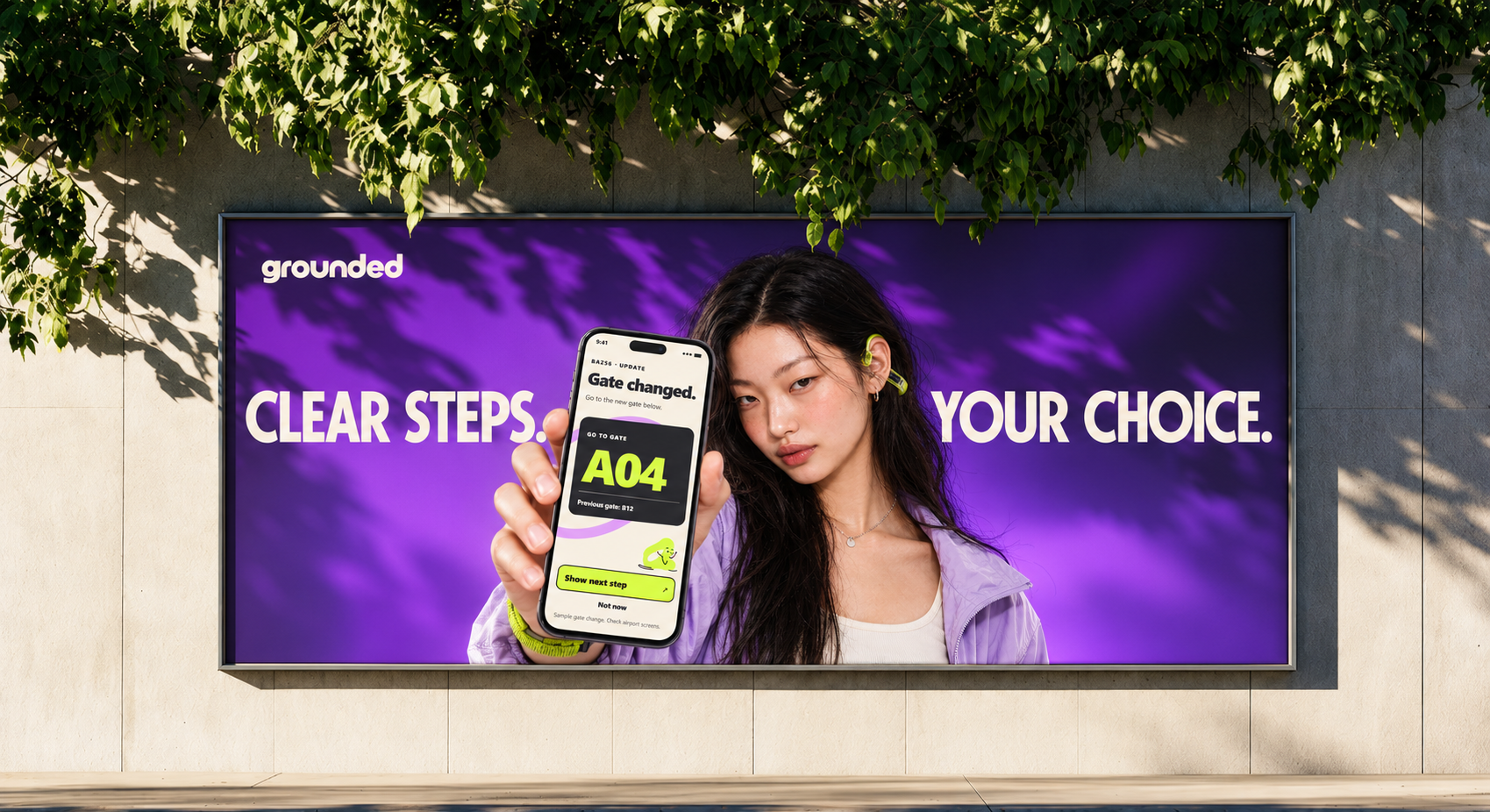
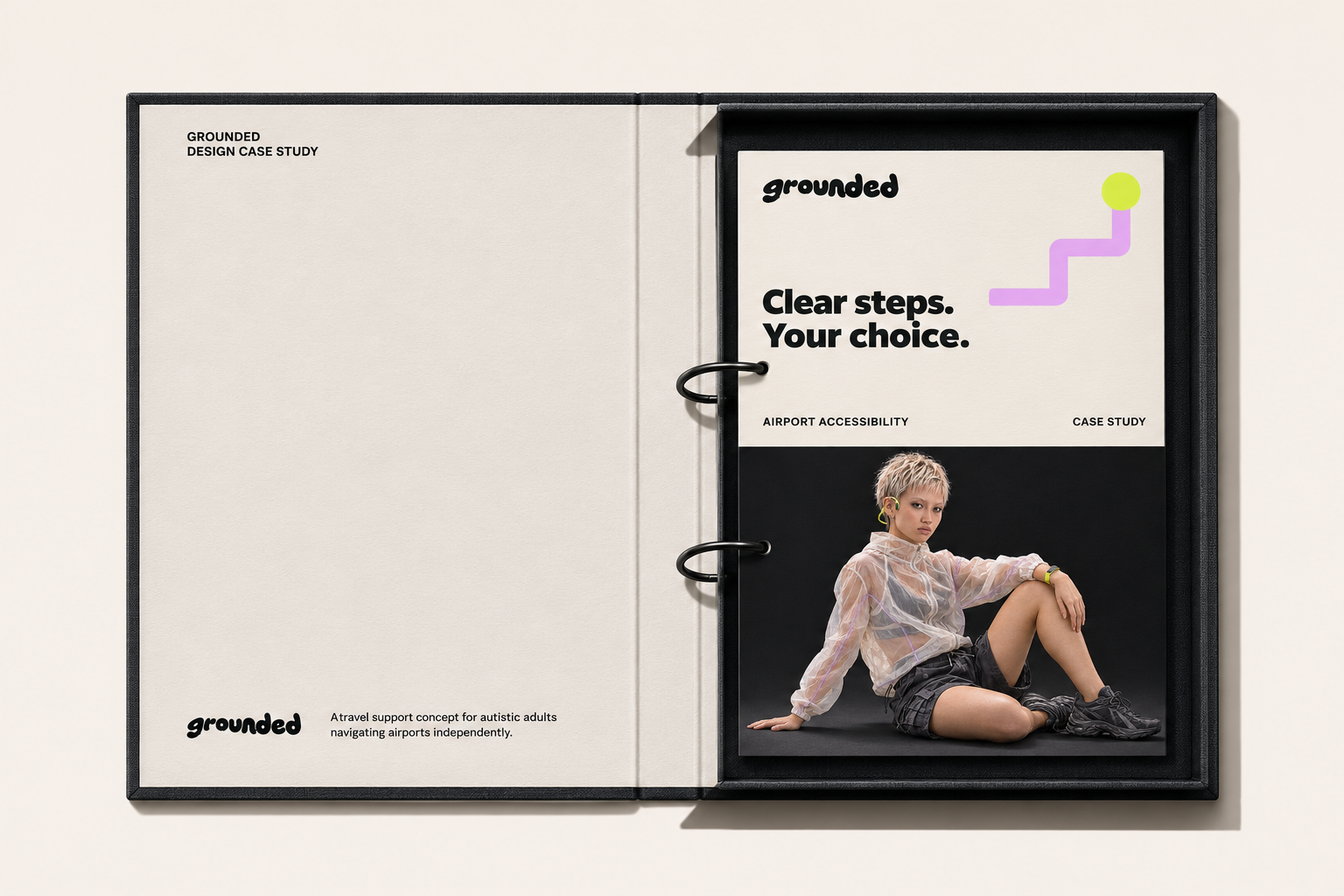

Final images
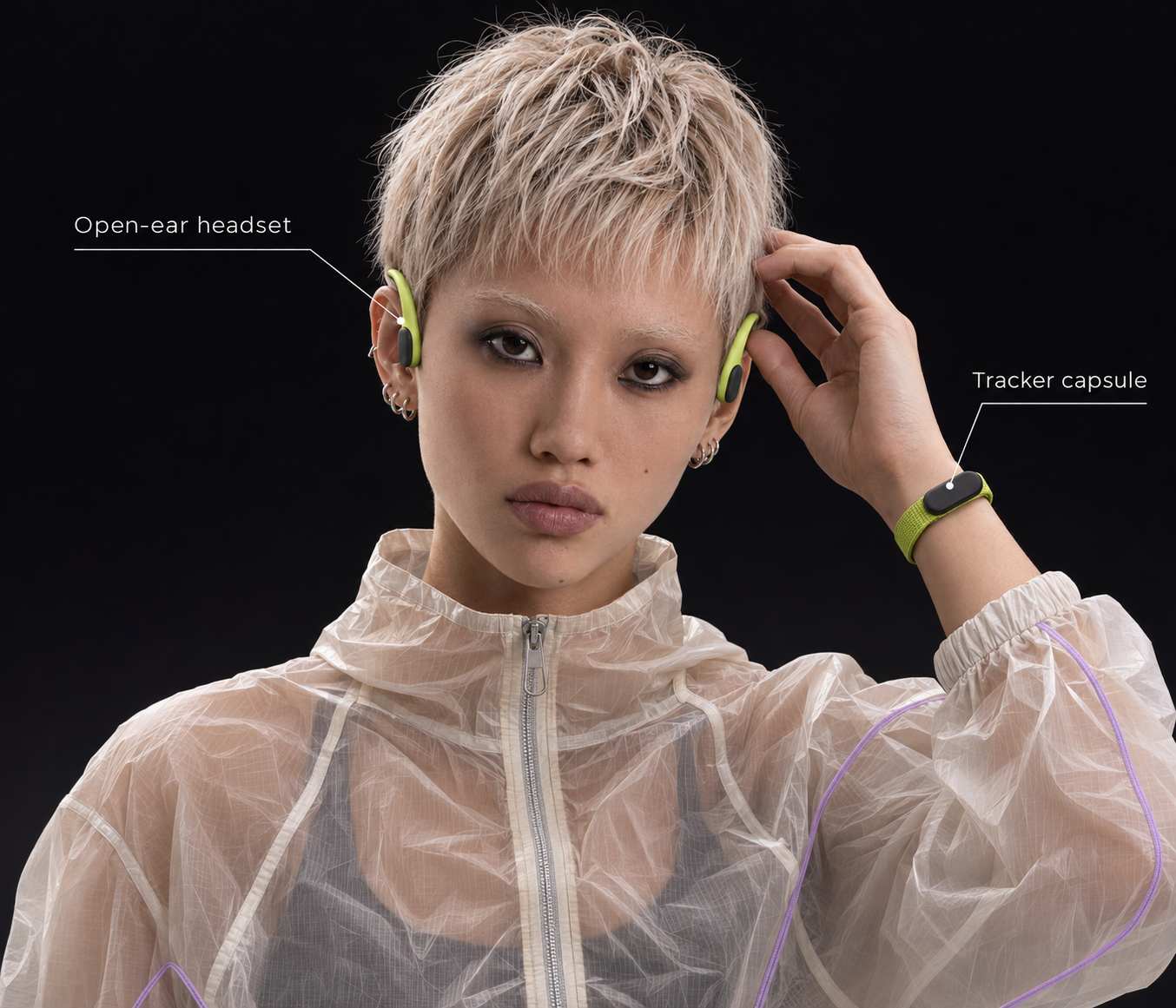
Early Direction: VR and Sensory Support
Find a post
Search journal pages by title or week.